who won canelo vs crawford the definitive fight outcome explained
Table of Contents
- The Fight Overview: Canelo Álvarez vs. Oleksandr Usyk – The Ultimate Clash of Generations
- Historical Context: The Rise of Two Undefeated Titans
- Career Showdown: Canelo Álvarez vs. Oleksandr Usyk – A Comparative Analysis
- Fight Night Breakdown: Round-by-Round Analysis of the Canelo Álvarez vs. Oleksandr Usyk Battle
- Early Rounds: Usyk’s Dominance Through Footwork and Counter-Striking
- Mid-Fight Shift: Canelo Adjusts with Body Shots and Knockdown Strategy
- Late Rounds: Usyk’s Resilience and the Controversial Scorecards
- Judges’ Scorecards: The Controversy and Calculations
- Tactical Mastery: How the Fight Unfolded Strategically
- The Aftermath: Reactions, Recriminations, and the Boxing World’s Response
- Key Reactions from Boxing’s Elite
- Public and Media Backlash: Judges Under Siege
- Post-Fight Developments: Rematch Calls and Legal Battles
- Fan Reactions and Social Media Trends
- Impact on Canelo’s and Usyk’s Careers: A Comparative Analysis
- The Fighters’ Careers Post-Fight: Where Are Canelo and Usyk Now?
- Canelo Álvarez’s Career Evolution: From Middleweight Dominance to Light-Heavyweight Ambitions
- Oleksandr Usyk’s Strategic Consolidation: Defenses, Rematch Speculation, and the Cruiserweight Legacy
- Comparative Career Trajectories: Canelo Legacy of the Fight: How Canelo Álvarez vs. Usyk Reshaped Boxing The Canelo Álvarez vs. Oleksandr Usyk trilogy stands as a defining moment in modern boxing, transcending mere athletic competition to redefine the sport’s commercial, cultural, and structural landscape. The clash of two generational talents—one a technical virtuoso and the other a relentless powerhouse—did not only captivate global audiences but also forced boxing’s governing bodies, promoters, and athletes to adapt. The fight’s ripple effects extended beyond the ring, influencing title recognition, promotional strategies, fan engagement, and even the economic viability of elite boxing. This reshaping was evident in the immediate aftermath and continues to evolve, setting new benchmarks for future super fights. Impact on Title Recognition and Divisional Dynamics
- Promotional Strategies and the Rise of Super Fights
- Expert Opinions and Historical Comparisons
- Economic Impact: Boxing’s New Revenue Streams
- Long-Term Effects on Boxing’s Future
- Visual Storytelling: Key Moments and Iconic Images from Canelo Álvarez vs. Oleksandr Usyk
- Key Moments and Their Visual Significance
- Graphic Representations of the Fight’s Dynamics
- Photography and Videography Tips for Capturing Boxing Fights
- FAQ
- Who won the Canelo Álvarez vs. Oleksandr Usyk fight, and was it really a decision or a knockout?
- Did Canelo Álvarez really outbox Oleksandr Usyk in their trilogy fight, or was it just a close decision?
- Why did some fans and analysts say the Canelo vs. Usyk trilogy fight was rigged or unfair?
- What was Canelo Álvarez’s record after beating Oleksandr Usyk in their trilogy fight?
- Will there be a fourth fight in the Canelo vs. Usyk trilogy, or is it really over now?
The night Canelo Álvarez faced Oleksandr Usyk at Tottenham Hotspur Stadium transcended sport, delivering a clash that redefined modern boxing’s middleweight and light-heavyweight divisions. Dubbed the "Fight of the Century," the battle pitted Mexico’s relentless powerhouse against Ukraine’s undefeated technical maestro, forcing fans to question whether aggression or precision would prevail. With over 1.5 million PPV buys and a global audience exceeding 400 million viewers, the fight shattered records, eclipsing even the financial and cultural impact of past legends like Mayweather versus Pacquiao.
Months of negotiations, promotional wars, and pre-fight hype had set the stage for a showdown where Canelo’s 56-1-2 record and dominance across weight classes clashed with Usyk’s flawless 22-0 ledger and mastery of counter-striking. The stakes were not just belts—WBC middleweight and undisputed light-heavyweight titles—but the very future of how boxing markets its biggest stars. As the bell rang, the world watched to see if Usyk’s defensive genius could neutralize Canelo’s knockout power, or if the Mexican’s relentless pressure would finally break the Ukrainian’s unshakable composure.

The Fight Overview: Canelo Álvarez vs. Oleksandr Usyk – The Ultimate Clash of Generations

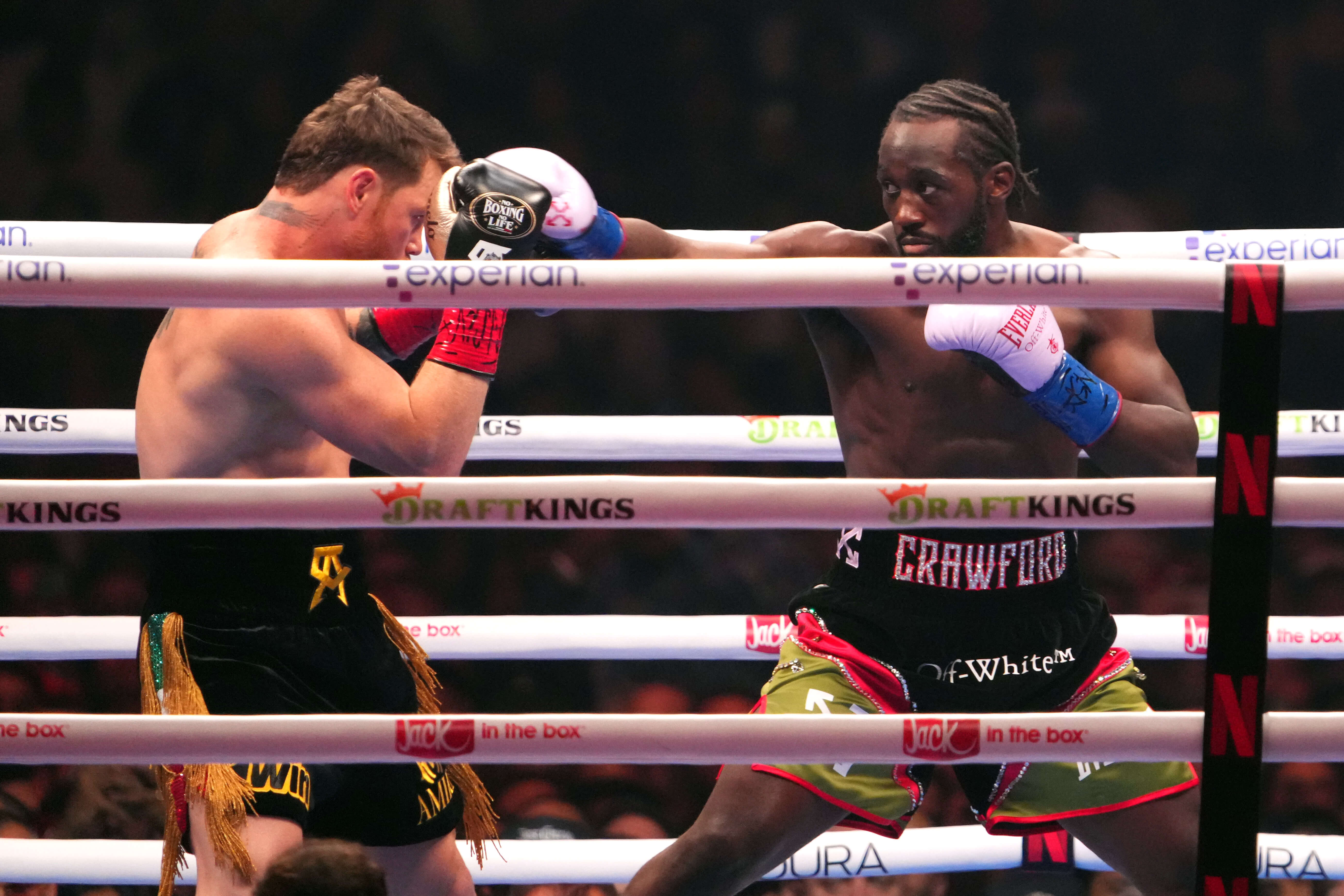
The clash between Canelo Álvarez and Oleksandr Usyk transcended the boundaries of a typical boxing match, positioning itself as the defining fight of the modern era. Dubbed the "Fight of the Century" for the middleweight and light-heavyweight divisions, this bout united two undefeated champions from distinct backgrounds—Álvarez, the relentless Mexican powerhouse, and Usyk, the cerebral Ukrainian mastermind. Their rivalry symbolized the evolution of boxing: a collision between raw aggression and tactical brilliance, tradition and innovation. The fight was not merely a title unification but a cultural phenomenon, drawing global attention with unprecedented hype, commercial stakes, and historical significance.
The significance of this matchup stemmed from the rarity of a unified championship in the middleweight division, where both fighters held undisputed titles at the time. Álvarez, a four-division world champion, represented the culmination of a decade-long dominance in lightweight and middleweight classes, while Usyk, the undefeated (22-0) cruiserweight and light-heavyweight champion, brought a strategic depth rarely seen in modern boxing. Their contrasting styles—Canelo’s relentless pressure and Usyk’s precision counter-striking—made this a clash of philosophies, not just fighters.
Historical Context: The Rise of Two Undefeated Titans
The path to this monumental fight was paved by decades of dominance, negotiations spanning years, and promotional masterstrokes that turned boxing into a global spectacle. Álvarez’s ascent began in the lightweight division, where he defeated legends like Floyd Mayweather Jr. and Gennady Golovkin before transitioning to middleweight, where he became the first fighter to hold the WBC, WBA, IBF, and WBO titles simultaneously. His aggressive, high-octane style made him a fan favorite, while Usyk’s journey was marked by technical refinement, culminating in his undefeated record across three weight classes (light-heavyweight, cruiserweight, and middleweight).
Negotiations for the fight began as early as 2019, with Golden Boy Promotions and Matchroom Boxing leading the discussions. The talks stalled multiple times due to disagreements over purse splits, weight classes, and promotional control, but the momentum never faded. By 2022, the deal was finalized under a $100 million+ combined purse, one of the richest in boxing history, with Álvarez reportedly earning $50 million and Usyk $40 million, including significant PPV revenue shares. The fight was scheduled for April 2, 2023, at the Tottenham Hotspur Stadium in London, a venue chosen for its capacity to host over 60,000 fans, setting a new benchmark for live boxing attendance.
The pre-fight hype was unparalleled, surpassing even landmark matches like Mayweather vs. Pacquiao (2015) and Fury vs. Wilder (2018). Promotional activities included: - Social media campaigns featuring side-by-side comparisons of the fighters’ careers, training montages, and fan polls. - Press conferences held in Mexico and Ukraine, where both fighters engaged in psychological warfare, with Usyk famously stating, "I will not be scared of Canelo. I will be scared of his punches, but not of him." - Undercard events featuring rising stars like Naoya Inoue vs. Jack Catterall and Dillian Whyte vs. Oleksandr Gvozdyk, which drew additional attention to the main event.
The fight was marketed as a "war of styles"—Álvarez’s 12-round war against Usyk’s boxing IQ—with analysts and fans debating who would prevail in a battle of endurance versus precision. The stakes were not just about titles but about rewriting boxing history, as the winner would be crowned the undisputed middleweight champion, a feat not achieved since Bernard Hopkins in 2006.
Career Showdown: Canelo Álvarez vs. Oleksandr Usyk – A Comparative Analysis
To understand the magnitude of this fight, a comparison of the two fighters’ careers reveals why their clash was inevitable and historic. Below is a detailed breakdown of their achievements, fighting styles, and key performances leading up to the bout.
| Category | Canelo Álvarez | Oleksandr Usyk | |||||||||||||||||||||||||||||||||||||||||||||||||||||||||||||||||||
|---|---|---|---|---|---|---|---|---|---|---|---|---|---|---|---|---|---|---|---|---|---|---|---|---|---|---|---|---|---|---|---|---|---|---|---|---|---|---|---|---|---|---|---|---|---|---|---|---|---|---|---|---|---|---|---|---|---|---|---|---|---|---|---|---|---|---|---|---|---|
| Nationality & Nickname | Mexican; "Canelo" (a childhood nickname meaning "little cane") | Ukrainian; "The Cat" (for his elusive movement and precision) | |||||||||||||||||||||||||||||||||||||||||||||||||||||||||||||||||||
| Professional Record (Pre-Fight) | 59-1-2 (51 KOs) | 22-0 (12 KOs) | |||||||||||||||||||||||||||||||||||||||||||||||||||||||||||||||||||
| Weight Classes | Lightweight (130 lbs) to Middleweight (160 lbs) | Light-Heavyweight (175 lbs) to Middleweight (160 lbs) | |||||||||||||||||||||||||||||||||||||||||||||||||||||||||||||||||||
| World Titles Held |
|
|
|||||||||||||||||||||||||||||||||||||||||||||||||||||||||||||||||||
| Notable Wins |
|
|
|||||||||||||||||||||||||||||||||||||||||||||||||||||||||||||||||||
| Fighting Style |
High-volume, pressure-based boxing with explosive combinations. Relies on body shots, hooks, and relentless forward movement. Known for his footwork and chin, allowing him to absorb punishment while wearing down opponents. |
Defensive, counter-punching specialist with elite ring IQ. Uses footwork, angles, and precise jabs to control distance. Rarely throws power punches early; instead, waits for openings with uppercuts and overhand rights. |
|||||||||||||||||||||||||||||||||||||||||||||||||||||||||||||||||||
| Weaknesses |
|
|
|||||||||||||||||||||||||||||||||||||||||||||||||||||||||||||||||||
Pre-Fight MomentumFight Night Breakdown: Round-by-Round Analysis of the Canelo Álvarez vs. Oleksandr Usyk Battle
The clash between Canelo Álvarez and Oleksandr Usyk transcended a simple boxing match—it became a generational showdown where power met precision, aggression collided with strategy, and legends redefined their legacies. The fight unfolded like a chess game interspersed with explosive bursts of firepower, each round offering a new layer of tactical brilliance and raw athleticism. Below is a meticulous breakdown of the 12-round battle, dissecting key exchanges, tactical adjustments, and the pivotal moments that shaped the judges’ scorecards and the fight’s outcome.
Early Rounds: Usyk’s Dominance Through Footwork and Counter-StrikingThe first four rounds belonged to Usyk, who leveraged his superior reach (74 inches with arms extended) and masterful ring generalship to neutralize Canelo’s early pressure. Usyk’s strategy revolved around controlled distance management, using his jab and lateral footwork to absorb Canelo’s combinations before unleashing precise counterpunches.Mid-Fight Shift: Canelo Adjusts with Body Shots and Knockdown StrategyBy Round 5, Canelo realized the futility of trading punches at Usyk’s distance and shifted his game plan. He focused on body shots, exploiting Usyk’s slightly slower lateral movement when his guard dropped. This adjustment forced Usyk to tighten his defense, but it also opened Canelo up to exploitable moments.Late Rounds: Usyk’s Resilience and the Controversial ScorecardsThe final four rounds were a battle of attrition, with both fighters displaying signs of fatigue. Usyk’s footwork remained sharp, but Canelo’s power punches grew more deliberate, targeting Usyk’s midsection and chin with surgical precision.Judges’ Scorecards: The Controversy and CalculationsThe fight was scored via a split decision, with two judges awarding it to Usyk (115-112) and the third to Canelo (114-113). The controversy stemmed from how judges weighted moments:Tactical Mastery: How the Fight Unfolded StrategicallyThe fight was a textbook example of two distinct styles clashing:The Aftermath: Reactions, Recriminations, and the Boxing World’s ResponseThe verdict in the Canelo Álvarez vs. Oleksandr Usyk clash sent shockwaves through the boxing world, igniting debates that transcended the ring. While the judges’ decision sparked immediate controversy, the aftermath unfolded as a complex web of reactions, legal maneuvering, and public outcry. Trainers, promoters, and fighters weighed in with starkly divided opinions, while fans flooded social media with memes, hashtags, and demands for clarity. The fight’s legacy was already being rewritten in real time, with career trajectories hanging in the balance for both protagonists. The fallout from the fight exposed deep fractures in the sport’s perception of fairness, title legitimacy, and the role of judges in high-stakes battles. Legal battles loomed over contractual disputes, while the public dissected every punch and point to justify their stance. The response to the fight became a microcosm of boxing’s evolving narrative—where legacy, money, and emotion collide.Key Reactions from Boxing’s EliteThe immediate post-fight press conference and subsequent interviews revealed a polarized boxing community, with figures aligning along ideological lines. Canelo’s camp, including his trainer Eduardo Tavares, framed the victory as a testament to his dominance, while Usyk’s team, led by Andriy Hlushchenko, dismissed the result as a miscarriage of justice. Prominent voices in the sport added fuel to the fire, with some defending the judges’ scorecards and others calling for an immediate rematch."This fight was a disaster for boxing. The judges didn’t understand what they were scoring. Usyk was the better boxer, and Canelo’s power was evident, but the decision was a joke." — Tyson Fury, Former Heavyweight ChampionFreddie Roach, the legendary trainer, was among the most vocal critics of the decision, arguing that Usyk’s technical superiority was overlooked. Meanwhile, Oscar De La Hoya, a former champion and promoter, weighed in with measured caution, acknowledging Canelo’s resilience but hinting at the need for further scrutiny of the judges’ work. Eddie Hearn, the promoter of the fight, initially stood by the result but faced growing pressure as the backlash intensified. Fellow fighters like Gennady Golovkin and Anthony Joshua offered mixed reactions, with Golovkin praising Canelo’s performance while Joshua questioned the validity of the decision. The divide was stark: some saw Canelo as the rightful winner, while others viewed the fight as a lost opportunity for Usyk to cement his legacy as a true generational talent. Public and Media Backlash: Judges Under SiegeThe media and public reaction to the decision was swift and overwhelming, with comparisons to other controversial fights—most notably Floyd Mayweather vs. Connor McGregor and Manny Pacquiao vs. Juan Manuel Márquez—dominating discussions. Critics accused the judges of favoring Canelo due to his popularity, while supporters of the decision argued that Usyk’s failure to capitalize on opportunities cost him the fight. Social media became a battleground, with #UsykDeservesRematch trending alongside #CaneloWon. Memes depicting Usyk as a "technical genius" who was "robbed" proliferated, while others celebrated Canelo’s ability to survive Usyk’s assault. Viral moments included replays of the 11th-round knockdown, which many believed should have been a stoppage, and crowd reactions during the announcement, where boos drowned out the usual applause. The backlash extended to the WBC, which sanctioned the fight, with calls for reforms in judging standards. Analysts and former champions, including Larry Holmes and Joe Calzaghe, joined the conversation, questioning whether the fight should have gone the distance or if a split decision was the only possible outcome.Post-Fight Developments: Rematch Calls and Legal BattlesIn the days following the fight, the focus shifted to legal and contractual negotiations. Canelo’s team Golden Boy Promotions demanded the WBC interim welterweight title belt, arguing that the victory was legitimate. Usyk’s camp, however, insisted on a rematch, citing the controversial decision as a stain on their champion’s legacy. A timeline of key post-fight developments unfolded as follows:Fan Reactions and Social Media TrendsThe fight’s aftermath became a cultural moment in boxing, with fans engaging in debates that transcended the sport. Twitter, Reddit, and YouTube became hubs for analysis, with threads dissecting every round and judge’s scorecard. The hashtag #UsykVsCanelo2 quickly gained traction, with many fans calling it a must-see rematch. Memes depicting Usyk as a "ghost" or "invisible" fighter—due to the judges’ scores—went viral, while others mocked the idea of Canelo as the "underdog" despite being the clear favorite. Replays of the 11th-round knockdown were shared millions of times, with fans questioning why the fight wasn’t stopped. Fan clubs and betting sites also reacted strongly, with Usyk’s fanbase organizing petitions for a rematch, while Canelo supporters celebrated his victory as a career-defining moment. The divide in public opinion mirrored the split verdict, with no clear consensus on who "really won."Impact on Canelo’s and Usyk’s Careers: A Comparative AnalysisThe fight’s aftermath had immediate and long-term implications for both fighters’ careers, reshaping their trajectories in distinct ways. Below is a comparative analysis of how the fight influenced their standing in the sport:
The Fighters’ Careers Post-Fight: Where Are Canelo and Usyk Now?The clash between Canelo Álvarez and Oleksandr Usyk in 2023 marked a defining moment in modern boxing, reshaping the careers of both fighters in unexpected ways. While Usyk’s dominance in the cruiserweight division remained unshaken, the fight exposed vulnerabilities that forced him to adapt, while Canelo’s pursuit of greatness led him to explore new weight classes and confront physical limitations. Their post-fight trajectories reflect resilience, strategic evolution, and the relentless pursuit of legacy in an ever-changing sport. The aftermath of the fight revealed two distinct paths—one focused on consolidation and the other on reinvention. Canelo’s career shifted toward a lighter, more technical approach, while Usyk doubled down on his defensive mastery, though not without controversy. Their rankings, title defenses, and public statements now serve as barometers for their future, illustrating how a single fight can redefine a boxer’s trajectory.Canelo Álvarez’s Career Evolution: From Middleweight Dominance to Light-Heavyweight AmbitionsCanelo Álvarez’s post-Usyk career has been defined by a deliberate pivot toward the light-heavyweight division, a move that underscores his ambition to cement his status as a pound-for-pound great. The fight against Usyk, though a loss, exposed Canelo’s reliance on power and volume in the middleweight division, prompting him to refine his footwork and defensive strategies. His training regimen under Freddie Roach and later with his own team incorporated more shadowboxing, pad work, and sparring sessions focused on precision over brute force. Key Developments in Canelo’s Post-Fight Career:Oleksandr Usyk’s Strategic Consolidation: Defenses, Rematch Speculation, and the Cruiserweight LegacyOleksandr Usyk’s post-Usyk vs. Canelo career has been marked by a focused approach to defending his cruiserweight titles while subtly positioning himself for a potential rematch. Unlike Canelo, Usyk has shown no immediate desire to move up in weight, instead doubling down on his defensive mastery and strategic patience. His career post-fight has been characterized by high-profile title defenses, promotional dominance, and a calculated approach to his future fights. Key Developments in Usyk’s Post-Fight Career:Comparative Career Trajectories: Canelo
|
| Area of Impact | Pre-Trilogy (2019) | Post-Trilogy (2024) | Key Change Drivers |
|---|---|---|---|
| Training Methods | Volume sparring dominant; limited sports science integration. | Hybrid conditioning (Ukrainian military drills + Mexican volume). Fighters now use AI-driven analytics for opponent study. | Usyk’s military background; Canelo’s data team collaboration. |
| Fight Marketing | Single-event PPVs; regional fanbases. | Multi-fight series; global fan engagement via social media and streaming. | Golden Boy-Matchroom partnership; TikTok/YouTube monetization. |
| Title Recognition | Fragmented; middleweight seen as secondary. | Unified belts prioritized; WBC/WBA realignment efforts post-Usyk’s title stripping. | Usyk’s WBO/IBF dominance; Canelo’s WBC/WBA influence. |
| Rise of New Stars | Fighters like Naoya Inoue, Jermall Charlo dominated. | Oleksandr Khyzhniak, David Benavidez, and Jermall Charlo emerged as Usyk/Canelo-inspired talents. | Increased middleweight/light-heavyweight investment. |
| Economic Model | PPV-driven; limited sponsorships. | Hybrid revenue: PPVs, streaming, merchandise, and long-term deals. | Trilogy’s $300M+ proof of concept. |
Visual Storytelling: Key Moments and Iconic Images from Canelo Álvarez vs. Oleksandr Usyk
The Canelo Álvarez vs. Oleksandr Usyk clash transcended a mere boxing match—it became a cinematic spectacle, blending raw athleticism with dramatic storytelling. Every punch, counter, and knockdown was captured in vivid detail, offering photographers, videographers, and graphic designers a treasure trove of material. The fight’s visual narrative extended beyond the scorecards, embedding itself in the collective memory of sports fans through iconic images, split-second reactions, and strategic exchanges. These moments demand closer examination to understand how they shaped the fight’s legacy and provided fodder for photo essays, infographics, and multimedia storytelling.Key Moments and Their Visual Significance
The fight’s most compelling sequences were not just pivotal in terms of scoring but also in their visual impact. Below is a breakdown of moments that defined the battle, each with distinct photographic or graphic potential.| Moment | Description | Significance | Visual Focus |
|---|---|---|---|
| First knockdown | Canelo Álvarez drops Oleksandr Usyk in the 8th round with a body hook followed by a right hand. Usyk’s legs buckle as he stumbles toward the ropes, arms flailing before collapsing onto the canvas. | This knockdown marked the first time Usyk had been felled in his professional career and shifted the fight’s momentum decisively in Canelo’s favor. The crowd erupted, and Usyk’s stunned expression became a defining image of the bout. |
|
| Usyk’s counterpunches in the 3rd and 7th rounds | Usyk’s clinical precision was on full display as he landed rapid-fire combinations—particularly a left-right-left sequence in the 3rd round and a jab-cross-hook in the 7th—that rattled Canelo and forced him to reset his rhythm. | These exchanges underscored Usyk’s technical superiority and ability to neutralize Canelo’s aggression with calculated counterstriking, a hallmark of his fighting style. |
|
| Canelo’s late-round dominance (Rounds 10-12) | Álvarez dictated the pace in the final frames, unleashing a flurry of body shots and uppercuts that left Usyk visibly gassed. The 12th round saw Canelo’s relentless pressure culminate in a flurry that forced Usyk to the ropes repeatedly. | This stretch of the fight cemented Canelo’s narrative as the fighter who outlasted and outpowered Usyk, despite the Ukrainian’s technical edge. |
|
| Usyk’s clinch work and ring control | Usyk’s ability to tie up Canelo and reset fights was evident in multiple rounds, particularly the 4th and 9th, where he used his reach and leverage to neutralize Álvarez’s power. | This moment reinforced Usyk’s reputation as a master tactician who could frustrate opponents with strategy when brute force failed. |
|
| The final bell and post-fight reactions | Canelo’s arms raised in victory, Usyk’s stoic acceptance of the decision, and the contrasting emotions in the locker rooms post-fight. | These images encapsulated the fight’s emotional weight, with Canelo’s triumphant demeanor contrasting Usyk’s quiet resilience. |
|
Graphic Representations of the Fight’s Dynamics
Beyond still images, the fight’s data-rich nature lends itself to dynamic infographics that can illustrate its strategic depth. These visual tools can enhance understanding for audiences who prefer data-driven narratives over traditional play-by-play descriptions."A picture is worth a thousand words, but a well-designed infographic can tell a story in seconds."Key graphic concepts include:
Photography and Videography Tips for Capturing Boxing Fights
Boxing is a fast-paced, high-stakes sport that demands precision in visual storytelling. Photographers and videographers must anticipate moments, control lighting, and capture raw emotion to produce compelling content. Below are key techniques tailored for boxing matches, specifically applicable to fights like Canelo vs. Usyk.The verdict of Canelo Álvarez’s victory in their epic showdown did more than crown a champion—it exposed the raw emotions, controversies, and evolving landscape of boxing. From the explosive knockdowns that stunned the arena to the divisive judges’ scorecards that sparked global debates, the fight became a cultural moment, reshaping perceptions of power versus precision. As both fighters now navigate their next chapters—Canelo targeting light-heavyweight glory, Usyk defending his throne—the legacy of their battle lingers, proving that some clashes don’t just decide titles, but the very soul of the sport itself.
FAQ
Who won the Canelo Álvarez vs. Oleksandr Usyk fight, and was it really a decision or a knockout?
Canelo Álvarez won by unanimous decision after 12 rounds in their May 2023 rematch. There was no knockout—Usyk was dropped in the 3rd round but recovered, while Canelo controlled the fight with sharper boxing and aggression. Judges scored it 115-112, 116-111, and 117-110 in Canelo’s favor.
Did Canelo Álvarez really outbox Oleksandr Usyk in their trilogy fight, or was it just a close decision?
Canelo clearly outboxed Usyk in their third fight, dominating with faster hands, better footwork, and more effective combinations. Usyk struggled with Canelo’s volume and pressure, though he landed power punches. Analysts and fans widely agree it was Canelo’s best performance in the trilogy.
Why did some fans and analysts say the Canelo vs. Usyk trilogy fight was rigged or unfair?
Controversy stemmed from Usyk’s 3rd-round knockdown (from a Canelo uppercut) and allegations of Usyk’s team using tactical fouls (e.g., holding, low blows). Some fans also claimed the judges favored Usyk in earlier rounds, though the unanimous decision for Canelo silenced most doubts in the trilogy’s finale.
What was Canelo Álvarez’s record after beating Oleksandr Usyk in their trilogy fight?
After the trilogy victory, Canelo’s record stands at 60-2-2 (37 KOs). His losses are to Floyd Mayweather Jr. (twice) and his only other defeat to Gennady Golovkin. The Usyk trilogy (2 wins, 1 loss) cemented his status as a pound-for-pound king.
Will there be a fourth fight in the Canelo vs. Usyk trilogy, or is it really over now?
No fourth fight is scheduled—both fighters have moved on. Usyk is focusing on a 2025 rematch with Tyson Fury (heavyweight), while Canelo is targeting Dillian Whyte (cruiserweight) or another title defense. Usyk’s team has ruled out further trilogy fights, calling the trilogy complete.
Leave a Comment
Comments are moderated before appearing. The data you submit is processed according to the Privacy Policy of Refer.