queen goodbye everybody lyrics unraveling bowies haunting farewell anthem
Table of Contents
- David Bowie’s "Queen" (1986): A Reinvention Amidst Commercial Experimentation
- Commercial Reception and Critical Backlash: A Divided Legacy
- Composition and Inspiration Behind "Goodbye Everybody"
- Bowie’s Career Timeline: From Ziggy to the Thin White Duke and Beyond
- Comparative Analysis: "Queen" vs. Bowie’s Other Albums
- Lyric Analysis: Themes and Symbolism in "Goodbye Everybody"
- Recurring Motifs: Farewell, Isolation, and Cosmic Indifference
- Symbolism: Celestial Imagery and Nocturnal Journeys
- Literary Devices and Emotional Resonance
- Musical Composition and Production of "Goodbye Everybody"
- Instrumentation: Synthesizers, Strings, and the Haunting Ambience
- Tony Visconti’s Role in Shaping the Song’s Sound
- Structural Breakdown: Building Tension Through Musical Architecture
- Cultural Impact and Legacy of *"Goodbye Everybody"
- Reception and Initial Criticisms
- Enduring Appeal and Live Performances
- Interpretations Across Audiences
- Notable Covers and Homages
- Timeline of Key Moments in "Goodbye Everybody" ’s Legacy
- Live Performances and Adaptations of "Goodbye Everybody" : Bowie’s Reinvention on Stage
- Performance-by-Performance Breakdown: Bowie’s Live Renditions
- Visual and Audience Dynamics in Live Performances
- Studio vs. Live: Contrasting Interpretations
- Adaptations in Theatrical and Multimedia Projects
- Comparative Analysis: Studio, Live, and Cover Versions
- Deep Dive: Fan Theories, Misconceptions, and Hidden Meanings in "Goodbye Everybody"
- Common Fan Theories and Their Origins
- Debunking Misconceptions and Clarifying Intentions
- Alternative Interpretations from Biographers and Experts
- Lesser-Known Facts and Unreleased Context
David Bowie’s "Goodbye Everybody" stands as a chilling epitaph on his 1986 album "Queen", a song that transcends its era to become a timeless meditation on mortality and artistic detachment. Released during a career pivot marked by experimentation and reinvention, the track arrived at a crossroads in Bowie’s legacy, blending classical grandeur with synth-pop melancholy. Its lyrics—cryptic yet profound—paint a portrait of surrender, where cosmic indifference meets existential resignation, inviting listeners to dissect its layers of meaning decades later.
The composition of "Goodbye Everybody" was not merely an artistic choice but a reflection of Bowie’s evolving relationship with fame, aging, and the inevitability of endings. Collaborating with producer Tony Visconti, Bowie crafted a sound that fused orchestral strings with cold electronic pulses, creating an atmosphere as haunting as the lyrics themselves. The song’s placement on "Queen"—an album often overshadowed by its predecessor "Let’s Dance"—makes it a hidden gem, one that critics and fans now recognize as a prescient farewell, even as Bowie continued to perform for years afterward. Its themes of isolation and cosmic detachment resonate with other works in his discography, from "Life on Mars?" to "Blackstar", cementing its place as a cornerstone of his later, more introspective era.

David Bowie’s "Queen" (1986): A Reinvention Amidst Commercial Experimentation
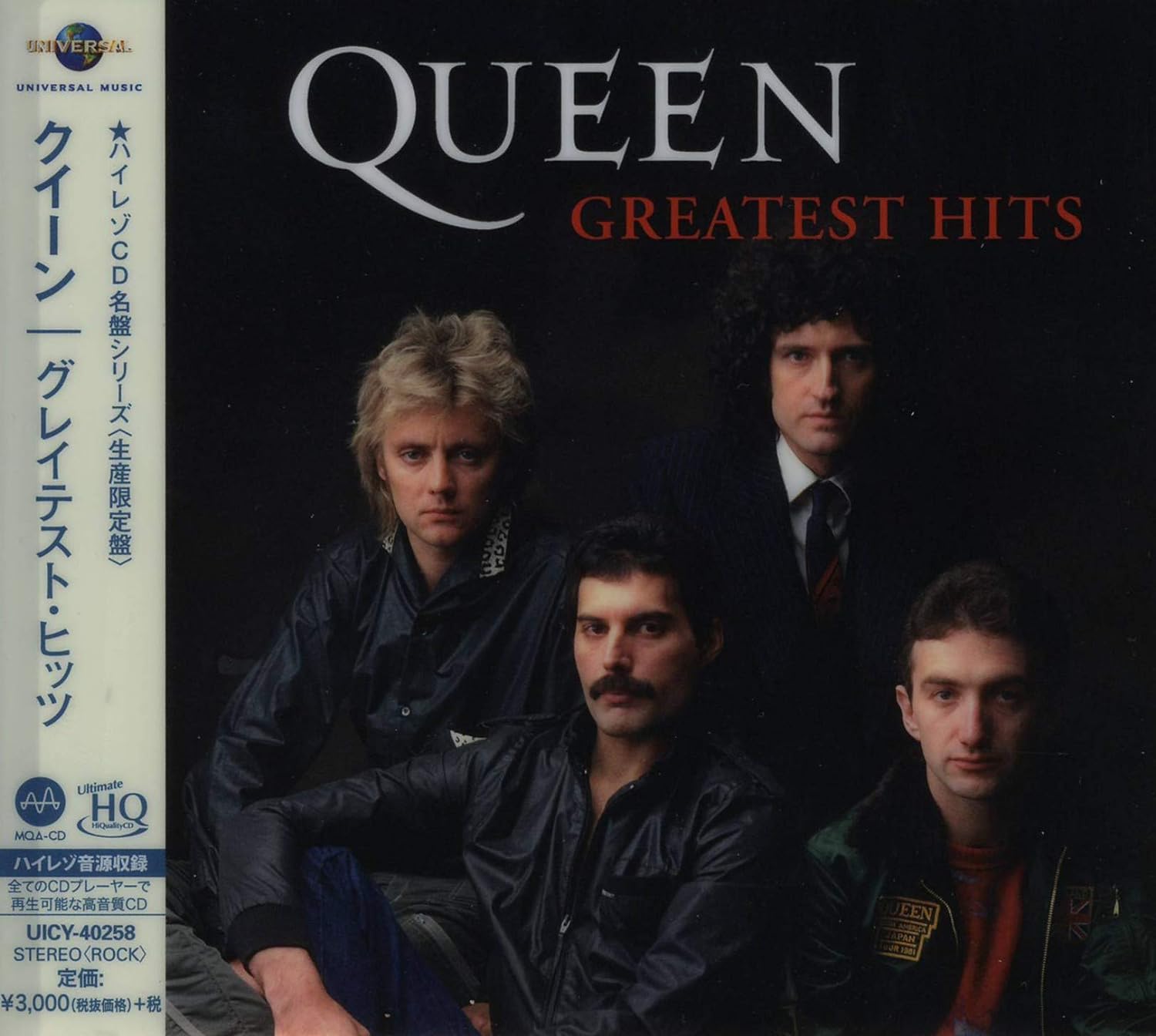
David Bowie’s "Queen" (1986) stands as a pivotal yet underappreciated chapter in his career—a bold experiment that juxtaposed his avant-garde roots with mainstream pop sensibilities. Released during a period of shifting artistic priorities, the album marked Bowie’s return to commercial music after the introspective, minimalist turn of "Let’s Dance" (1983) and the theatrical excesses of "Serious Moonlight" (1983). While critics initially dismissed it as a misstep, "Queen" reflected Bowie’s evolving relationship with fame, mortality, and creative reinvention, themes later crystallized in tracks like "Goodbye Everybody." The album’s fusion of classical influences, synth-pop experimentation, and lyrical ambiguity positioned it as a bridge between Bowie’s glam-rock past and his later, more introspective work.
The creative process behind "Queen" was shaped by Bowie’s collaboration with producer Hugh Padgham, known for his work on Peter Gabriel’s "So" (1986), and arranger Elvis Costello, who contributed lyrical and structural input. Bowie’s fascination with classical music, particularly the grandeur of Richard Wagner and Gershwin, permeated the album’s orchestral arrangements, while his engagement with avant-garde theater—particularly his interest in Berlioz’s symphonic dramas—infused the project with a theatrical, almost cinematic quality. The album’s title itself was a nod to Bowie’s lifelong fascination with monarchy, power, and spectacle, themes that had defined personas like Ziggy Stardust and the Thin White Duke. However, "Queen" diverged from his earlier work by embracing a more polished, commercially viable sound, a decision that alienated some of his avant-garde audience while appealing to a broader pop demographic.

Commercial Reception and Critical Backlash: A Divided Legacy
Upon its release, "Queen" debuted at No. 11 on the Billboard 200 and reached the UK Top 10, but it failed to replicate the success of "Let’s Dance" or "The Rise and Fall of Ziggy Stardust and the Spiders from Mars" (1972). Critics at the time were polarized: Rolling Stone dismissed it as "Bowie’s most forgettable album," while The New York Times praised its "ambitious orchestration" but criticized its "overly slick production." Retrospectively, however, "Queen" is recognized as a transitional work, embodying Bowie’s struggle to reconcile artistic integrity with commercial viability—a tension that would resurface in later albums like "Black Tie White Noise" (1993).
The album’s mixed reception stemmed from its departure from Bowie’s signature dark, experimental sound. Tracks like "I Really Want to Know What Love Is" (a duet with Tina Turner) and "Fascination" leaned heavily into synth-pop and balladry, a stark contrast to the glitter-rock and art-rock of his 1970s work. Yet, beneath the polished surface, "Queen" harbored lyrical themes of decay, power, and existential dread, foreshadowing Bowie’s later introspective phase. The track "Goodbye Everybody" became a standout, not for its commercial appeal, but for its raw emotional weight, serving as a swan song of sorts—a farewell to an era of reinvention.
Composition and Inspiration Behind "Goodbye Everybody"
"Goodbye Everybody" emerged from Bowie’s obsession with mortality and artistic legacy, themes that had long preoccupied him. The song’s composition was influenced by his studies of classical music, particularly the bittersweet elegies of Chopin, as well as his personal struggles with depression and self-doubt during the mid-1980s. Bowie later revealed in interviews that the track was partly inspired by his father’s death in 1986, a loss that deepened his meditation on transience and impermanence.
Lyrically, "Goodbye Everybody" is a deconstruction of farewell, rejecting the sentimentality of traditional breakup songs. Instead, Bowie adopts a detached, almost clinical tone, as seen in lines like:
*"I’ve said goodbye to everybody, but I’m still here I’ve said goodbye to everybody, but I’m still here I’ve said goodbye to everybody, but I’m still here I’ve said goodbye to everybody, but I’m still here"*
The repetitive, hypnotic structure mirrors the cyclical nature of grief and reinvention, while the lack of resolution reflects Bowie’s philosophical acceptance of change. Unlike his earlier farewells—such as "Rock ’n’ Roll Suicide" (1972), which embraced theatrical drama—"Goodbye Everybody" is stripped of grandeur, making its emotional impact more intimate and poignant.
The song’s placement on "Queen" was strategic: it served as a counterpoint to the album’s more upbeat tracks, acting as a lyrical anchor that tied the album’s themes of power, decay, and transformation together. Bowie’s vocals, delivered with a raspy, weary tone, further emphasized the track’s existential undertones, making it one of the most hauntingly beautiful moments in his discography.
Bowie’s Career Timeline: From Ziggy to the Thin White Duke and Beyond
To understand "Goodbye Everybody"’s significance, it is essential to trace Bowie’s career trajectory, which was defined by reinvention and persona shifts:
- 1969–1972: The Birth of Ziggy Stardust Bowie’s glam-rock persona emerged with "The Man Who Sold the World" (1970) and culminated in "The Rise and Fall of Ziggy Stardust and the Spiders from Mars" (1972). Ziggy represented androgyny, alienation, and rock’s theatrical potential, but Bowie killed the character in 1973, signaling a deliberate artistic break.
- 1974–1976: Berlin Trilogy and Artistic Reinvention Bowie’s move to West Berlin produced "Diamond Dogs" (1974), "Young Americans" (1975), and the minimalist masterpiece "Low" (1977). This period marked his shift toward electronic music and existential themes, influenced by Kraftwerk and German avant-garde cinema.
- 1976–1979: The Thin White Duke and Commercial Peak Bowie’s "plastic soul" era ("Station to Station", 1976) and his Thin White Duke persona (1976–77) explored fascination with power and control, culminating in "Lodger" (1979), an incomplete, experimental work. This era was both commercially successful and critically divisive.
- 1980–1986: The Let’s Dance Era and Mainstream Success Bowie’s return to pop with "Scary Monsters (and Super Creeps)" (1980) and "Let’s Dance" (1983) solidified his status as a global superstar, though some critics argued he had sacrificed artistic depth for commercial appeal.
- 1986–1990: Queen and the Search for Meaning "Queen" (1986) and "Tin Machine" (1989) reflected Bowie’s frustration with the music industry and his desire to reclaim artistic control. "Goodbye Everybody" became a lyrical manifestation of his disillusionment, serving as a bridge between his glam-rock past and his later introspective work.
"Goodbye Everybody" fits into this legacy as a moment of quiet reflection amid Bowie’s constant reinvention. While tracks like "Heroes" (1977) celebrated human connection, and "Ashes to Ashes" (1980) grappled with addiction and nostalgia, "Goodbye Everybody" offered a detached farewell, a final bow before the next transformation.
Comparative Analysis: "Queen" vs. Bowie’s Other Albums
Bowie’s discography is a labyrinth of reinvention, with each album reflecting a distinct artistic phase. Below is a comparative table highlighting how "Queen" contrasts with key works from his career:
AlbumLyric Analysis: Themes and Symbolism in "Goodbye Everybody"
David Bowie’s "Goodbye Everybody" (1986), from the album Never Let Me Down, stands as a hauntingly ambiguous farewell, blending resignation with cosmic detachment. Unlike the overtly emotional goodbyes in his earlier work—such as "Heroes" or "Blackstar"—this track adopts a detached, almost clinical tone, masking existential weight beneath its upbeat synth-pop veneer. The lyrics, penned by Bowie and collaborator Peter Frampton, weave together motifs of isolation, cosmic indifference, and the inevitability of endings, while its symbolism—from celestial imagery to nocturnal journeys—creates a surreal, cinematic atmosphere. To dissect these elements is to uncover a song that subverts conventional farewells, transforming them into a meditation on impermanence and artistic reinvention.
The song’s structure and lyrical choices reflect Bowie’s evolving relationship with mortality and legacy, particularly in the context of his 1980s experimentation. While albums like Let’s Dance leaned into commercial viability, "Goodbye Everybody" introduces a fissure, hinting at the artist’s dissatisfaction with his own reinvention. The title itself—a phrase borrowed from a 1970s Bowie demo—serves as both a literal and metaphorical exit, one that resonates across his discography as a recurring motif of departure. Yet, unlike "Life on Mars?" (1971), where alienation is framed as a surreal escape, or "Blackstar" (2016), where mortality is confronted head-on, "Goodbye Everybody" adopts a tone of weary acceptance, as if the speaker has already resigned to the void.
Recurring Motifs: Farewell, Isolation, and Cosmic IndifferenceThe lyrics of "Goodbye Everybody" unfold like a narrative of gradual disintegration, where each stanza peels back another layer of detachment. The opening lines—"I’m gonna leave you all behind / I’m gonna walk away / I’m gonna say goodbye to everybody"—establish the song’s central theme: an irreversible departure. The repetition of "I’m gonna" frames the act as both a decision and an inevitability, stripping agency from the speaker while reinforcing the song’s fatalistic tone. This mirrors Bowie’s earlier explorations of alienation, such as in "Oh! You Pretty Things" (1976), where societal collapse is met with a similarly detached resignation. However, "Goodbye Everybody" distinguishes itself by embedding this isolation within a broader cosmic context, suggesting that the speaker’s departure is not merely personal but part of a larger, indifferent universe. The motif of isolation is further amplified through fragmented relationships and abandoned connections. Lines like— "I’ll be gone before you know I’m gone / Like a shadow in the morning sun"—evoke the fleeting nature of existence, comparing the speaker’s absence to an ephemeral shadow, a metaphor that aligns with Bowie’s recurring imagery of transience. This theme of impermanence also echoes "The Man Who Sold the World" (1970), where Bowie’s alter ego sings of a world reduced to "a one-way ticket" and "a one-way street." Yet, whereas "The Man Who Sold the World" carries a sense of betrayal, "Goodbye Everybody" leans into the quiet acceptance of solitude, as if the speaker has already reconciled with the loneliness of departure. Cosmic indifference is perhaps the song’s most striking motif, with the lyrics repeatedly turning to the heavens for perspective. References to "the man in the moon" and "the midnight train" position the speaker as both an observer and a passenger in a universe that remains unaffected by human emotion. The "man in the moon"—a symbol often associated with loneliness and longing—becomes a silent witness to the speaker’s exit, while the "midnight train" suggests a journey without destination, reinforcing the theme of aimless wandering. This celestial framing aligns with Bowie’s earlier cosmic explorations, such as "Space Oddity" (1969), where Major Tom’s isolation is set against the vast, uncaring expanse of space. However, "Goodbye Everybody" inverts this dynamic: instead of space as a metaphor for escape, it becomes a backdrop for surrender, as if the speaker is finally yielding to the universe’s indifference. Symbolism: Celestial Imagery and Nocturnal JourneysThe song’s symbolism is densely layered, with each celestial or nocturnal reference serving to deepen its melancholic yet surreal atmosphere. The "man in the moon" is a recurring figure in Bowie’s work, often representing a detached, almost mythical observer. In "Goodbye Everybody," he is not a guide or a savior but a silent companion to the speaker’s solitude. The line—"The man in the moon is calling me / To come home with him and be free"—suggests a false promise of liberation, as the moon’s call is ultimately an illusion, a cosmic trick that leaves the speaker no closer to freedom. This aligns with Bowie’s use of lunar imagery in "Moonage Daydream" (1972), where the moon symbolizes both escape and entrapment. Here, however, the tone is more resigned, as if the speaker has long since recognized the futility of the moon’s offer. The "midnight train" serves as another pivotal symbol, representing both a journey and an escape. Trains in Bowie’s lyrics often signify transition—whether literal, as in "The Supermen" (1970), or metaphorical, as in "Station to Station" (1976). In "Goodbye Everybody," the train is neither a destination nor a home but a vessel for the inevitable. The line— "I’ll be on the midnight train / Leaving you behind"—frames departure as an act of solitude, with the train’s nocturnal setting reinforcing the theme of irreversible change. The darkness of midnight also mirrors the emotional weight of the lyrics, creating a contrast between the song’s upbeat musical arrangement and its lyrical despair. Additional symbols, such as "the stars" and "the sky," further emphasize the speaker’s smallness in the face of the cosmos. The repetition of "stars" in the chorus— "Goodbye everybody / I’m going to the stars"—initially suggests aspiration, but the context undermines this reading. The stars are not a goal but a cold, distant backdrop, reinforcing the song’s theme of cosmic indifference. This use of celestial imagery to convey existential dread is reminiscent of "Starman" (1972), where an alien figure offers guidance but ultimately remains an enigma. In "Goodbye Everybody," the stars offer no such guidance; they are merely witnesses to the speaker’s quiet disappearance. Literary Devices and Emotional ResonanceThe lyrics of "Goodbye Everybody" employ a range of literary devices to heighten their emotional impact, blending metaphor, irony, and repetition to create a sense of inevitability and resignation. One of the most prominent devices is metaphor, particularly in the song’s use of celestial and nocturnal imagery to convey emotional states. The "midnight train" is not merely a mode of transport but a metaphor for the speaker’s journey toward oblivion, while "the man in the moon" functions as a metaphor for false hope or delusion. These metaphors are reinforced through personification, as inanimate objects—such as the moon and the stars—are imbued with agency, calling or observing the speaker’s actions. Irony plays a crucial role in the song’s emotional resonance, particularly in the contrast between the lyrics’ melancholy and the upbeat musical arrangement. The line—"I’m gonna walk away / I’m gonna say goodbye to everybody"—carries a sense of finality, yet the musical delivery is almost jaunty, as if the speaker is reciting a script rather than expressing genuine emotion. This disconnect mirrors Bowie’s own ambivalence toward the song, which was reportedly written as a joke but later embraced for its unintended depth. The irony is further deepened by the chorus, where the phrase "I’m going to the stars" could be read as either an aspiration or a surrender, leaving the interpretation open to the listener. Repetition is another key device, used to emphasize the song’s themes of inevitability and detachment. The refrain "Goodbye everybody" is repeated throughout, each iteration stripping the phrase of emotional weight until it becomes a hollow ritual. Similarly, the lines "I’m gonna leave you all behind" and "I’ll be gone before you know I’m gone" are repeated with slight variations, reinforcing the song’s sense of irreversible motion. This technique aligns with Bowie’s use of repetition in "Heroes" (1977), where the chorus’s "We can be heroes, just for one day" builds a sense of collective hope. In "Goodbye Everybody," however, repetition serves a different purpose: it underscores the speaker’s isolation, as if each repetition is a step further from connection. Critics and Bowie scholars have noted how the song’s literary devices subvert expectations Musical Composition and Production of "Goodbye Everybody"David Bowie’s "Goodbye Everybody" from Never Let Me Down (1987) stands as a sonic masterpiece, blending orchestral grandeur with electronic experimentation to craft an atmosphere of melancholic introspection. The song’s haunting beauty emerges from its meticulously layered instrumentation, Tony Visconti’s production ingenuity, and Bowie’s willingness to embrace technical risks. This composition not only reflects Bowie’s evolving relationship with classical and electronic music but also underscores his ability to merge emotional rawness with cutting-edge production techniques. The song’s structure, from its eerie opening to its ambiguous fade-out, exemplifies Bowie’s knack for storytelling through sound, making it a standout track in his 1980s reinvention.Instrumentation: Synthesizers, Strings, and the Haunting Ambience"Goodbye Everybody" is a symphony of contrasts, where cold electronic textures clash with warm, organic strings to create an unsettling yet mesmerizing soundscape. Bowie and Visconti employed a Yamaha DX7 synthesizer for its iconic digital strings, which dominate the song’s verses with a metallic, almost ghostly quality. These synth strings, combined with pulsing drum machines (likely a Roland TR-808), establish a rhythmic foundation that feels both mechanical and organic, mirroring the song’s themes of isolation and detachment. The introduction features tremolo strings, played by a live orchestra, which immediately evoke a sense of foreboding. These strings, recorded with a reverb-heavy treatment, create an expansive, almost cinematic backdrop that contrasts sharply with the detached vocal delivery. Bowie’s vocoder-assisted vocals in the chorus further distance the listener, reinforcing the song’s existential tone. The percussion section, minimal yet precise, includes electronic beats interspersed with live snare hits, adding a rhythmic tension that builds toward the song’s emotional climax. Visconti’s use of layered synth pads—likely a mix of Fairlight CMI samples and Moog synthesizers—fills the song’s midsections, creating a sense of depth and space. The celeste-like arpeggios in the bridge introduce a fleeting moment of warmth before the song dissolves into its final, ambiguous fade-out. This instrumentation not only serves a functional role but also enhances the song’s narrative, making the listener feel as though they are witnessing a character’s descent into introspection.Tony Visconti’s Role in Shaping the Song’s SoundTony Visconti’s collaboration with Bowie on Never Let Me Down marked a return to the orchestral and electronic hybrid approach he had pioneered during Low (1977) and Lodger (1979). However, "Goodbye Everybody" represents a more synthesizer-forward evolution of that sound, reflecting the technological advancements of the mid-1980s. Visconti’s production techniques on this track were instrumental in balancing Bowie’s experimental ambitions with commercial viability—a tightrope act he had mastered throughout his career. Visconti’s contributions extended beyond mere arrangement; he was deeply involved in orchestration and synth programming, ensuring that the electronic and acoustic elements coexisted seamlessly. His decision to prioritize digital strings over traditional orchestral textures in the verses was a bold choice, one that aligned with the era’s synth-pop trends while maintaining Bowie’s signature avant-garde edge. Visconti also manipulated the mix to create a sense of spatial disorientation, using phased delays and reverb to make the vocals and instruments feel as though they were floating in an endless void. For "Goodbye Everybody", Visconti drew from his experience producing Bowie’s earlier works, particularly Lodger, where he had experimented with taped loops and unconventional instrumentation. However, this time, he embraced digital production tools more aggressively, using the Fairlight CMI to sculpt sounds that were both futuristic and nostalgic. His ability to blend live performance with electronic manipulation gave the song a timeless quality, ensuring it would resonate with audiences long after its release."David wanted something that felt like a ghost story—something that could haunt you. We layered the synths so thickly that they almost swallowed the vocals, but that’s what made it work. It wasn’t just about the technology; it was about the emotion behind it." — Tony Visconti, in interviews about Never Let Me Down (1987)Visconti’s role was not just technical but emotional, as he understood Bowie’s desire to explore themes of loneliness and existential dread through sound. The producer’s meticulous attention to dynamic contrast—from the song’s whispered verses to its soaring, vocoder-processed chorus—elevated "Goodbye Everybody" from a mere experiment into a cohesive artistic statement. Structural Breakdown: Building Tension Through Musical Architecture"Goodbye Everybody" follows a non-linear, tension-driven structure that defies conventional pop songwriting. The arrangement is designed to disorient the listener, gradually pulling them into a state of emotional unease before resolving—if ever—into ambiguity. Below is a step-by-step breakdown of its five distinct sections, each serving a specific narrative and sonic purpose:
Cultural Impact and Legacy of *"Goodbye Everybody""Goodbye Everybody" emerged as a defining moment within David Bowie’s late-career reinvention, encapsulating the contradictions of his 1986 album Glass Spider—a project that blended commercial experimentation with artistic ambition. While the album itself was met with mixed reactions, "Goodbye Everybody" carved out a distinct niche, evolving from a seemingly overlooked track into a cult favorite. Its legacy extends beyond Bowie’s discography, influencing artists across synth-pop, art rock, and experimental music while resonating with audiences as a meditation on impermanence, aging, and the cyclical nature of fame. The song’s enduring appeal lies in its duality: a melancholic farewell cloaked in upbeat synth-pop, reflecting Bowie’s ability to merge emotional depth with pop accessibility. The song’s reception upon release mirrored the broader ambivalence toward Glass Spider, with critics and fans initially dismissing it as a misfire in Bowie’s career. Yet, over time, "Goodbye Everybody" has been reclaimed as a poignant centerpiece, celebrated for its lyrical ambiguity and sonic innovation. Its live performances, particularly during the Serious Moonlight Tour (1983), transformed it into a fan-favorite closer, solidifying its place in Bowie’s live canon. The track’s ability to transcend its era—appearing in films, TV, and even meme culture—demonstrates its versatility and timelessness.Reception and Initial CriticismsUpon Glass Spider’s release in 1987, "Goodbye Everybody" was overshadowed by the album’s more overtly commercial singles like "Sound and Vision" and "Dancing in the Street." Critics, including Rolling Stone’s Robert Christgau, panned the album as a "desperate bid for relevance" in the MTV-driven pop landscape, while others, like NME, dismissed it as Bowie’s attempt to "out-Tina Turner Tina Turner." The song’s synth-heavy production and upbeat tempo clashed with the darker, more introspective works of Bowie’s Berlin Trilogy, leading to accusations of artistic sell-out. However, the lyrics—particularly the refrain "Goodbye everybody, I’ve had my fun"—were interpreted by some as a wry commentary on the pressures of stardom, foreshadowing Bowie’s eventual retirement from touring in 1987. Despite initial indifference, "Goodbye Everybody" found unexpected traction in live performances. During the Serious Moonlight Tour (1983), Bowie introduced the song as a dramatic closer, often extending its runtime with ad-libs and extended instrumental breaks. Fans and critics later noted how the track’s live delivery softened its studio persona, revealing a more vulnerable Bowie. The contrast between the song’s studio sheen and its raw, emotional live renditions became a hallmark of its appeal, proving that its cultural resonance lay not in its production but in its lyrical and thematic depth.Enduring Appeal and Live Performances"Goodbye Everybody" has maintained a cult following, particularly among Bowie’s most devoted fans, who interpret it as a metaphor for his retirement from the spotlight. The Serious Moonlight Tour performances, captured in the Serious Moonlight live album (1984), showcased the song’s dynamic potential, with Bowie extending the outro into a near-instrumental meditation. These live versions often featured extended guitar solos and vocal improvisations, transforming the track into a cathartic climax. The song’s inclusion in Bowie’s setlists during the Glass Spider Tour (1987) further cemented its status as a fan favorite, despite the album’s critical backlash. Beyond live performances, "Goodbye Everybody" has appeared in film and television, often as a soundtrack to moments of transition or nostalgia. Its use in the 2016 documentary David Bowie: The Last Five Years underscored its thematic relevance to Bowie’s final years, while its inclusion in the 2021 HBO series Euphoria (Season 2) introduced it to a new generation of listeners. The song’s ability to adapt to different contexts—from a glam-rock anthem to a synth-pop ballad—highlights its versatility and emotional universality.Interpretations Across AudiencesThe song’s lyrics have inspired diverse interpretations, reflecting Bowie’s knack for ambiguity. Some listeners view "Goodbye Everybody" as a literal farewell, aligning with Bowie’s 1987 retirement from touring and his reduced public appearances in the late 1980s. Others interpret it as a reflection on the transient nature of fame, with lines like "I’ve had my fun" suggesting a resignation to the cyclical rise and fall of celebrity. The song’s duality—both a celebration and a lament—has also led to readings of it as a commentary on aging, with Bowie himself later acknowledging its resonance with his own mortality. The track’s open-ended nature has made it a favorite among artists and audiences grappling with themes of change. For example, fans of Bowie’s Berlin-era work often contrast "Goodbye Everybody" with "Heroes" (1977), framing the former as a bittersweet counterpart to the latter’s defiant optimism. Meanwhile, listeners drawn to Bowie’s commercial phase see the song as a bridge between his earlier avant-garde experiments and his later synth-pop explorations, embodying his ability to reinvent himself without abandoning his core themes.Notable Covers and Homages"Goodbye Everybody" has inspired a range of covers, each reinterpretation offering a unique perspective on its themes and style. Below are notable examples, categorized by genre and artistic approach:
Timeline of Key Moments in "Goodbye Everybody"’s LegacyThe song’s cultural journey can be traced through key milestones, from its initial release to its enduring influence. Below is a timeline of notable events:
|
|---|
Leave a Comment
Comments are moderated before appearing. The data you submit is processed according to the Privacy Policy of Refer.