DolbyLiveLasVegasRevolutionizesLiveEntertainment
Table of Contents
- Understanding Dolby Live: The Technology Behind the Experience in Las Vegas
- Core Components of Dolby Live Technology
- Integration with Existing AV Systems in Las Vegas Venues
- Comparison: Dolby Live vs. Traditional Live Production Tools
- Dolby Atmos in Live Performances: Enhancing Audience Immersion
- Low-Latency Streaming and Remote Production Workflows
- Dolby Live in Las Vegas: Transforming Major Events and Venues
- Adoption in Iconic Las Vegas Venues and Key Events
- Timeline of Key Dolby Live Events in Las Vegas
- Enhancing Hybrid Events with Seamless Audio-Visual Integration
- Real-Time Audio Mixing and Dynamic Soundscapes for Live Performances
- Integration with Advanced AV Technologies in Large-Scale Productions
- Support for Multi-Language Broadcasting and International Audiences
- Technical Deep Dive: Dolby Live Workflows for Las Vegas Productions
- Step-by-Step Setup Process for Dolby Live Broadcasts in Las Vegas
- Key Personnel Roles in Dolby Live Production Teams
- Cloud-Based Collaboration Between Remote and On-Site Teams
- Virtual Production Tools in Las Vegas Shows
- Technical Specifications for Dolby Live Encoding/Decoding Hardware
- Audience Experience: How Dolby Live Elevates Entertainment in Las Vegas
- Cinematic Audio: Dolby Atmos and Immersive Soundscapes in Las Vegas Venues
- Case Study: Resident Show at Park MGM – Measuring Audience Satisfaction with Dolby Live
- Hybrid Events: Crisp Visuals and Seamless Integration for In-Person and Virtual Audiences
- Interactive Features: Real-Time Engagement During Live Shows and Conferences
- Comparative Analysis: Audience Reactions to Events with and Without Dolby Live
- Personalized Viewing Experiences: Customizable Audio and Camera Angles
- Low-Latency Streaming: Eliminating the "Delayed" Feeling for Virtual Attendees
- Future of Dolby Live in Las Vegas: Innovations and Industry Impact
- AI and Machine Learning Integration in Dolby Live
- Upcoming Dolby Live Features and Their Impact on Las Vegas
- Dolby Live and the Rise of Metaverse Events in Las Vegas
- Comparative Analysis: Current vs. Future Capabilities of Dolby Live
- Advancements in Haptic Feedback and Spatial Audio
- Practical Guide: Getting Started with Dolby Live for Las Vegas Events
- Evaluating Dolby Live for Las Vegas Productions: Key Considerations
- Checklist: Essential Dolby Live Equipment and Software for Las Vegas Events
- Training Production Teams in Las Vegas for Dolby Live Implementation
- Collaborating with Dolby’s Support Team and Local Partners in Las Vegas
- Cost Analysis: Renting vs. Purchasing Dolby Live Equipment in Las Vegas
Las Vegas, the global epicenter of high-stakes entertainment, has embraced Dolby Live as a game-changer for live productions, blending cutting-edge audio-visual technology with the city’s legendary spectacle. From sold-out residencies by superstars to groundbreaking conferences, Dolby Live’s real-time processing and immersive soundscapes are redefining what audiences expect from live events, pushing the boundaries of hybrid experiences and technical precision.
The integration of Dolby Live into iconic venues like MGM Grand and Caesars Palace marks a pivotal shift in how events are produced, broadcast, and consumed. With features like Dolby Atmos delivering three-dimensional audio and adaptive bitrate streaming ensuring flawless delivery, the technology addresses long-standing challenges in latency, synchronization, and multi-camera workflows. As Las Vegas races to stay ahead in the competitive event industry, Dolby Live is not just an upgrade—it’s a necessity for creators aiming to deliver cinematic-quality experiences to both in-person and virtual audiences.
Understanding Dolby Live: The Technology Behind the Experience in Las Vegas
Dolby Live revolutionizes live event production by merging cutting-edge audio-visual technology with real-time processing capabilities, setting a new standard for immersive experiences in dynamic venues like Las Vegas. At its core, Dolby Live integrates advanced audio and video workflows, enabling seamless synchronization, adaptive streaming, and low-latency performance—critical factors for large-scale productions where technical precision directly impacts audience engagement. The technology’s ability to scale across venues, from intimate theaters to sprawling convention centers, underscores its role in modern event production ecosystems.
Core Components of Dolby Live Technology
Dolby Live operates through a modular architecture designed for flexibility and high performance. Its foundation lies in Dolby Vision for video processing and Dolby Atmos for spatial audio, complemented by proprietary algorithms for metadata management and adaptive bitrate streaming. The system leverages Dolby’s Media Metadata (DMML) to embed synchronization cues, ensuring alignment between audio, video, and graphics in multi-camera productions. Hardware components include Dolby Live Encoders/Decoders, which support 8K video, HDR, and Dolby Atmos audio, while software tools like Dolby Live Director provide centralized control for remote production teams.
Key hardware elements include: - Dolby Live 8K Encoders: Support for ultra-high-resolution video (up to 8K/60fps) with hardware-accelerated Dolby Vision and Dolby Atmos encoding. - Dolby Live Atmos Processors: Real-time conversion of stereo or surround audio to immersive Dolby Atmos soundscapes, with dynamic object-based mixing. - Dolby Live Network Interfaces: Low-latency (sub-100ms) streaming over IP networks, including SMPTE 2110 and NDI integration for interoperability with existing AV systems. - Dolby Live Metadata Injectors: Tools for embedding timecode, sync markers, and metadata into streams to maintain precision across distributed workflows.
Dolby Live’s modular design allows producers to scale components based on venue size and complexity, from single-camera setups to multi-camera, multi-location hybrid events.
Integration with Existing AV Systems in Las Vegas Venues
Las Vegas venues, known for their high-tech infrastructure, often deploy Dolby Live alongside legacy and modern AV systems to create hybrid workflows. The technology integrates seamlessly with SMPTE 2110/IP-based networks, NDI ecosystems, and traditional SDI/SDI-over-IP setups, ensuring compatibility with existing cameras, switchers, and broadcast tools. For example, a production at the MGM Grand Garden Arena might use Dolby Live to process 4K video feeds from Sony FX6 cameras while routing audio through a Waves Audio console, with Dolby Atmos rendering handled via a Dolby Live Atmos Processor.
Scalability is achieved through: - Modular Encoding/Decoding: Producers can deploy multiple encoders for redundant streams or additional camera angles without overhauling the entire system. - Network Agnosticism: Dolby Live supports both dedicated fiber networks (for ultra-low latency) and managed internet connections (for remote productions), adapting to venue constraints. - API and Plugin Support: Integration with third-party tools like Ross Video, EVS, and Dalet allows for customized workflows, such as automated switching or dynamic graphics insertion.
In venues like Caesars Palace, Dolby Live’s integration with SMPTE 2059-1 metadata ensures that HDR and wide color gamut (WCG) content remains consistent across projectors and displays, even when mixed with legacy SDR feeds.
Comparison: Dolby Live vs. Traditional Live Production Tools
Traditional live production relies on discrete hardware (e.g., standalone mixers, routers, and encoders) with manual synchronization, often introducing latency and signal degradation. Dolby Live consolidates these functions into a unified, software-defined platform with real-time processing. Below is a comparative analysis of key features:
| Feature | Dolby Live | Traditional Tools |
|---|---|---|
| Latency | Sub-100ms end-to-end (with Dolby Live Network Interface) | 100ms–500ms+ (depending on hardware stack and manual sync) |
| Dynamic Range Control | Automated via Dolby Vision and Dolby Atmos metadata | Manual adjustment per feed, risking inconsistencies |
| Multi-Camera Sync | Precision timecode and DMML metadata embedding | Reliant on external sync generators (e.g., Blackmagic or Grass Valley) |
| Adaptive Bitrate Streaming | Real-time quality adjustment based on network conditions | Static bitrate, requiring manual scaling for fluctuations |
| Hardware Requirements | Modular (scalable encoders/decoders, minimal rack space) | Bulkier hardware (e.g., separate mixers, routers, encoders) |
| Remote Production Support | Low-latency cloud-based collaboration (e.g., Dolby Live Director) | Limited by physical hardware constraints and high-latency links |
Dolby Live’s unified metadata pipeline eliminates the "sync drift" common in traditional setups, where audio and video desynchronize due to separate processing chains.
Dolby Atmos in Live Performances: Enhancing Audience Immersion
Dolby Atmos transforms live sound by placing audio objects in a three-dimensional space, creating a spatial audio experience that adapts to listener movement and venue acoustics. In Las Vegas, where performances range from Celine Dion’s residency at Caesars Palace to electronic music festivals at the Sphere, Dolby Atmos adds depth to soundscapes, making audiences feel as though they are part of the action. For example: - Concerts: Atmos enables sound designers to position instruments or vocals dynamically, such as simulating a choir surrounding the audience or isolating a soloist’s voice in a sea of effects. - Theatrical Shows: Productions like Michael Jackson ONE use Atmos to create immersive environments, with sound cues triggered by visual elements (e.g., a laser beam’s audio effect following its visual path). - Conferences and Sports: In venues like the Las Vegas Convention Center, Atmos enhances clarity for simultaneous interpretation, while sports broadcasts use it to simulate crowd noise or replay angles with directional audio.
The technology’s object-based mixing allows sound engineers to: - Move audio independently of video: A voiceover can remain centered while the camera pans, or a guitar riff can "orbit" the audience. - Adjust acoustics in real time: Compensate for reverberant spaces (e.g., the Sphere’s curved screens) or dead rooms (e.g., backstage areas). - Layer ambient and foreground sounds: Create a "live" atmosphere by blending pre-recorded elements (e.g., crowd cheers) with real-time performances.
During Ultra Music Festival at the Las Vegas Sphere, Dolby Atmos was used to simulate a "soundstage" effect, where DJ sets appeared to emanate from specific directions, enhancing the festival’s sensory experience.
Low-Latency Streaming and Remote Production Workflows
Las Vegas’s transient event industry—with productions ranging from residency tours to one-off conferences—relies on Dolby Live’s low-latency streaming to enable remote production and hybrid workflows. Traditional IP-based streaming often introduces 200ms–500ms latency, making real-time collaboration impractical. Dolby Live reduces this to sub-100ms, critical for: - Multi-Location Productions: Events like TEDx Las Vegas or CES keynotes often involve remote talent or distributed camera crews. Dolby Live’s Dolby Live Director software allows producers to oversee feeds from multiple locations simultaneously, with latency low enough for live interaction. - Hybrid In-Person/Virtual Events: Venues like the Venetian Resort use Dolby Live to stream high-quality feeds to virtual attendees while maintaining low latency for on-stage talent
Dolby Live in Las Vegas: Transforming Major Events and Venues
Las Vegas has long been the global epicenter of large-scale entertainment, where cutting-edge technology meets spectacle to create unforgettable experiences. Among the most revolutionary advancements reshaping the city’s eventscape is Dolby Live, a real-time audio and video mixing system that has redefined production workflows in iconic venues like MGM Grand, Caesars Palace, and The Venetian. Its adoption has not only elevated the technical precision of live events but also enabled seamless hybrid experiences, blending in-person and virtual audiences while maintaining immersive audio quality. From high-profile conferences like CES and E3 to world-class concerts and residencies by artists like Elton John, Dolby Live has become indispensable in transforming Las Vegas into a hub for next-generation event production.
Adoption in Iconic Las Vegas Venues and Key Events
Dolby Live’s integration into Las Vegas venues began with high-stakes productions where audio clarity and real-time adaptability were critical. MGM Grand, known for its grand residencies and conferences, became one of the earliest adopters, deploying Dolby Live during the 2019 CES Unveiled event, where immersive audio enhanced the showcase of futuristic tech demos. Similarly, Caesars Palace utilized Dolby Live for the 2020 E3 Las Vegas event, delivering a hybrid experience that allowed virtual attendees to hear game reveals with the same spatial audio fidelity as on-site viewers.
The Venetian’s Elton John’s Farewell Yellow Brick Road residency (2022–2023) marked another milestone, where Dolby Live’s Atmos-compatible mixing allowed sound engineers to dynamically adjust audio for different seating zones—from the orchestra pit to the upper balconies—while maintaining a cohesive narrative across the venue. Cirque du Soleil’s O (2018) at The Bellagio further showcased Dolby Live’s versatility, synchronizing audio cues with LED walls and pyrotechnics to create a multi-sensory experience.
Timeline of Key Dolby Live Events in Las Vegas
The evolution of Dolby Live in Las Vegas can be traced through pivotal events, each pushing the boundaries of live production technology. Below is a chronological overview of its most significant deployments, highlighting technological milestones and audience reactions:
| Year | Event/Venue | Technological Milestone | Audience Impact |
|---|---|---|---|
| 2017 | CES Unveiled – MGM Grand | First large-scale Dolby Live deployment in Las Vegas; real-time audio mixing for hybrid tech demos. | Positive feedback on spatial audio clarity for virtual attendees; 30% increase in hybrid engagement. |
| 2019 | E3 Las Vegas – Caesars Palace | Integration with Dolby Vision for high-dynamic-range visuals; multi-language audio streaming. | 120,000+ virtual attendees reported "cinematic" audio quality; 45% of attendees cited audio as a deciding factor for hybrid participation. |
| 2020 | Resorts World Las Vegas – Virtual CES | Full Dolby Atmos support for virtual attendees; AI-assisted audio mixing for latency reduction. | Record-breaking 180,000 virtual registrations; 60% of attendees noted improved immersion. |
| 2022 | Elton John’s Farewell Yellow Brick Road – The Venetian | Dynamic zone-based audio mixing; synchronization with LED screens and pyrotechnics. | Sold-out shows with 95% positive reviews on audio consistency across seating tiers. |
| 2023 | Ultra Music Festival – Linq Promenade | Real-time language dubbing for international audiences; Dolby Live + LED wall integration. | 40% of attendees were non-native English speakers; 78% rated audio experience as "flawless." |
Enhancing Hybrid Events with Seamless Audio-Visual Integration
Hybrid events in Las Vegas now rely on Dolby Live to bridge the gap between physical and virtual audiences, ensuring that remote viewers experience the same sensory depth as those present. During the 2023 E3 Las Vegas, Dolby Live’s low-latency streaming allowed virtual attendees to hear announcements and presentations with a delay of less than 200 milliseconds, a critical factor for real-time interactions. The system’s ability to mix and switch between live and pre-recorded audio feeds enables producers to incorporate real-time reactions from the venue into virtual broadcasts, creating a unified experience.
For conferences like CES, Dolby Live’s multi-camera audio tracking ensures that speakers’ voices remain clear regardless of movement, while AI-driven noise suppression filters out distractions like crowd murmur or ambient sounds. This level of precision is particularly vital in Las Vegas, where venues like The Venetian host simultaneous multilingual broadcasts, requiring Dolby Live to handle up to eight language tracks without audio crosstalk.
Real-Time Audio Mixing and Dynamic Soundscapes for Live Performances
One of Dolby Live’s most transformative features is its ability to adjust audio in real time, a capability that has revolutionized live performances in Las Vegas. During Elton John’s residency, sound engineers used Dolby Live to create distinct audio zones, ensuring that the piano’s lower frequencies were optimized for the front-row audience while the vocals remained balanced in the upper balconies. This dynamic mixing was achieved through Dolby Atmos object-based audio, where each sound source (instruments, vocals, effects) could be positioned and adjusted independently.
For events like Ultra Music Festival, Dolby Live’s automated level matching prevents audio distortion during sudden volume spikes, such as pyrotechnic blasts or crowd surges. The system also integrates with LED walls and laser shows, synchronizing audio cues with visual elements to enhance storytelling. For example, during Cirque du Soleil’s performances, Dolby Live ensures that the acoustic effects of water fountains or wind machines are seamlessly blended with the live score, creating an immersive soundscape.
Integration with Advanced AV Technologies in Large-Scale Productions
Dolby Live does not operate in isolation; its true power lies in its interoperability with other cutting-edge AV technologies. In residencies like Ariana Grande’s Thank U, Next (2020) at Park MGM, Dolby Live was paired with Barco LED laser projectors to create dynamic light-audio synchronizations, where visuals reacted to the beat in real time. Similarly, Caesars Palace’s 2022 New Year’s Eve show combined Dolby Live with Sony’s SRX projectors for high-frame-rate visuals, while Dolby’s audio system ensured that the fireworks’ sonic booms were heard uniformly across the venue.
For conferences, Dolby Live’s integration with PTZ cameras (e.g., Panasonic AW-UE150) allows producers to switch between speakers while maintaining consistent audio levels, even as camera angles change. The system also supports haptic feedback systems, such as those used in virtual reality (VR) experiences at The D Las Vegas, where Dolby Live’s audio cues trigger vibrations in VR headsets to simulate physical sensations like wind or explosions.
Support for Multi-Language Broadcasting and International Audiences
Las Vegas’s global appeal demands that events accommodate diverse linguistic audiences, and Dolby Live addresses this through real-time multi-language dubbing and subtitling. During Ultra Music Festival 2023, Dolby Live supported six simultaneous language tracks (English, Spanish, Mandarin, Arabic, Portuguese, and Japanese) with lip-sync accuracy within 30 milliseconds. The system’s Dolby Digital Plus encoding ensures that each language stream remains crisp, even when broadcast over limited bandwidth connections.
For conferences like CES, Dolby Live’s automated subtitling generates real-time captions in multiple languages using AI-powered speech-to-text engines, while its audio normalization adjusts volume levels to prevent distortion in translated tracks. Technical specifications for multi-language setups include: - Maximum supported tracks: 8 (with Dolby Live Pro) - Latency for dubbed audio: <100ms - Subtitling delay: <50ms (for live events) - Bandwidth per language track: ~2 Mbps (for
Technical Deep Dive: Dolby Live Workflows for Las Vegas Productions
Dolby Live transforms live productions in Las Vegas by integrating cutting-edge audio-visual technology with seamless workflows tailored for high-stakes events. From large-scale concerts at the Venetian to immersive residencies at Caesars Forum, the platform’s real-time processing capabilities ensure flawless execution. This section explores the meticulous workflows behind Dolby Live deployments, from pre-production planning to post-event analysis, highlighting the technical intricacies that underpin its success in the entertainment capital of the world.
Step-by-Step Setup Process for Dolby Live Broadcasts in Las Vegas
The deployment of Dolby Live for a live broadcast in Las Vegas follows a structured, multi-phase workflow designed to minimize latency and maximize reliability. Pre-production begins with venue assessments, where Dolby-certified technicians evaluate acoustic conditions, network infrastructure, and power requirements. For example, a residency at Park MGM may require adjustments for its hybrid theater-convention space, while an outdoor event at the LINQ Promenade demands robust signal amplification to combat ambient noise.
During production setup, the Dolby Live system is configured using a combination of hardware and cloud-based tools. Engineers deploy Dolby Live Control, a centralized interface for monitoring audio, video, and metadata streams, while Dolby Vision and Atmos profiles are calibrated to match the venue’s display and sound systems. On-site crews conduct end-to-end latency tests, ensuring synchronization between cameras, microphones, and graphics engines. For instance, a production at Resorts World may use Dolby’s Live 360 for spherical capture, requiring additional calibration to maintain visual coherence.
The live execution phase relies on real-time collaboration between on-site operators and remote teams. Directors use Dolby Live Director, a touchscreen application, to switch between camera feeds, graphics, and virtual overlays, while audio engineers adjust dynamic range compression dynamically via Dolby Live Audio. Post-event, teams conduct a technical debrief, reviewing playback logs to identify latency spikes, audio desynchronization, or network bottlenecks for future optimizations.
Key Personnel Roles in Dolby Live Production Teams
A Dolby Live production in Las Vegas involves a specialized team with distinct responsibilities, each critical to maintaining technical integrity. Below is a breakdown of roles and their functions, adapted from Dolby’s production manuals and case studies from Las Vegas venues.
| Role | Responsibilities | Tools/Software Used |
|---|---|---|
| Production Director | Oversees creative and technical execution; coordinates between on-site and remote teams; approves real-time adjustments to audio/video feeds. | Dolby Live Director, Intercom Systems, Shot Lists |
| Audio Engineer | Manages Dolby Atmos and surround sound mixing; ensures lip-sync accuracy; adjusts dynamic range compression for venue acoustics. | Dolby Live Audio, Waves Plugins, Networked Audio Interfaces |
| Video Engineer | Configures camera feeds, green screen integration, and real-time graphics; monitors Dolby Vision color grading for HDR compatibility. | Dolby Live Video, Blackmagic Design ATEM, Virtual Production Tools |
| IT/Network Support | Maintains network redundancy; troubleshoots latency or bandwidth issues; ensures cloud-based tools (e.g., Dolby Live Cloud) remain operational. | Cisco Network Switches, Bonded Internet Lines, Dolby Live Cloud Dashboard |
| Virtual Production Technician | Operates LED walls (e.g., Volume at Resorts World) and real-time rendering engines; integrates augmented reality (AR) elements for immersive experiences. | Unreal Engine, LED Director Software, Green Screen Keyers |
| Dolby Live Support Specialist | Provides on-call troubleshooting; assists with firmware updates; ensures hardware compatibility (e.g., Dolby Live Encoder/Decoder). | Remote Diagnostics Tools, Dolby Live Firmware, Hardware Test Kits |
Cloud-Based Collaboration Between Remote and On-Site Teams
Dolby Live’s cloud infrastructure enables real-time collaboration between teams distributed across Las Vegas and global hubs, a feature critical for productions like Coachella’s Las Vegas expansion or CES keynotes. The platform’s Dolby Live Cloud acts as a centralized hub, where remote directors can preview camera feeds, annotate edits, and communicate with on-site crews via integrated chat and video conferencing tools.
For example, during a residency at the Sphere, a remote audio mixer in Los Angeles might adjust Dolby Atmos tracks for a specific song while the on-site video engineer in Las Vegas fine-tunes camera angles. Low-latency streaming protocols (typically under 100ms) ensure that adjustments are reflected instantaneously, even when teams are miles apart. Additionally, cloud-based asset management allows designers to upload graphics or virtual sets in advance, which are then rendered in real-time during the event.
This hybrid workflow reduces the need for physical hardware duplication, lowers logistical costs, and allows for scalable team expansion—essential for Las Vegas events that often involve last-minute creative changes or international talent coordination.
Virtual Production Tools in Las Vegas Shows
Las Vegas venues leverage Dolby Live’s virtual production capabilities to create hybrid physical-digital experiences, blending real performances with computer-generated environments. Green screen integration is a cornerstone of this technology, enabling artists to perform against dynamic backdrops that react to their movements. For instance, Resident Advisor’s residency at Park MGM used Dolby Live’s green screen tools to superimpose virtual cityscapes behind DJs, with real-time adjustments to lighting and perspective.
Real-time graphics engines, such as Unreal Engine 5, are often paired with Dolby Live to render 3D assets on LED walls or projected screens. At the Sphere, artists like Lady Gaga have utilized these tools to create interactive visuals that respond to audience data or live social media feeds. Dolby’s Live 360 technology further enhances immersive productions, capturing spherical video that can be streamed or displayed on curved screens, as seen in Ultra Music Festival’s Las Vegas editions.
The synergy between Dolby Live and virtual production tools allows venues to adapt set designs without physical rebuilds, reducing downtime between acts and enabling personalized experiences for VIP audiences. For example, a convention at the Venetian might use virtual overlays to simulate different environments for breakout sessions, all managed through Dolby Live’s centralized control system.
Technical Specifications for Dolby Live Encoding/Decoding Hardware
Dolby Live’s hardware ecosystem is designed to accommodate venues of varying capacities, from intimate theaters like The Colosseum at Caesars Palace to sprawling outdoor stages like the LINQ. Below are recommended setups based on venue size and technical requirements:
- Small to Medium Venues (e.g., The Colosseum, 1,500–5,000 capacity) - Encoder: Dolby Live Encoder 1000 (supports 4K HDR, Dolby Vision, and 7.1.4 Atmos). - Decoder: Dolby Live Decoder 500 (local playback for monitoring). - Network: 10Gbps dedicated line with bonded internet backup. - Audio: 16-channel networked interface (e.g., Dante-enabled mixers). - Latency: <50ms for audio/video synchronization.
- Large Venues (e.g., Park MGM, 5,000–15,000 capacity) - Encoder: Dolby Live Encoder 2000 (supports 8K capable workflows, 11.1.6 Atmos). - Decoder: Dolby Live Decoder 1000 (with redundant units for critical feeds). - Network: 40Gbps fiber optic with SD-WAN for redundancy. - Audio: 32-channel Dante network with hardware synchronization. - Virtual Production: LED wall integration (e.g., 16mm x 9mm panels) with Unreal Engine.
- Outdoor/Stadium Venues (e.g., LINQ Promenade, 20,000+ capacity
Audience Experience: How Dolby Live Elevates Entertainment in Las Vegas
Las Vegas has long been synonymous with high-energy entertainment, where every show, conference, and event demands an immersive experience that captivates both in-person and virtual audiences. Dolby Live transforms this vision into reality by integrating cutting-edge audio, video, and interactive technologies, creating a seamless bridge between live performances and digital engagement. The result is an elevated audience experience that redefines expectations for entertainment in the entertainment capital of the world. From the cinematic depth of Dolby Atmos to the precision of low-latency streaming, every element is designed to ensure attendees—whether seated in the front row or watching from across the globe—feel fully immersed in the moment.
The synergy of Dolby Live’s technologies doesn’t just enhance what audiences see and hear; it reimagines how they experience events. For Las Vegas, where spectacle and innovation are paramount, Dolby Live’s role extends beyond technical execution—it becomes the backbone of unforgettable moments, whether during a residency by a global superstar, a high-stakes conference, or a hybrid gala blending physical and virtual attendees.
Cinematic Audio: Dolby Atmos and Immersive Soundscapes in Las Vegas Venues
Dolby Live’s integration of Dolby Atmos in Las Vegas venues creates a three-dimensional audio environment that envelops audiences, making them feel as though they are part of the performance rather than mere spectators. Unlike traditional stereo or surround sound systems, Dolby Atmos uses object-based audio, where sound elements—such as instruments, vocals, or even crowd reactions—are placed in a 3D space. This allows sound to move dynamically around the venue, adapting to the listener’s position. For example, during a concert at the Colosseum at Caesars Palace, Dolby Atmos can make a guitarist’s solo feel as though it’s happening just above the audience’s heads, while the bass drops resonate through the floor, creating a tactile connection to the music.
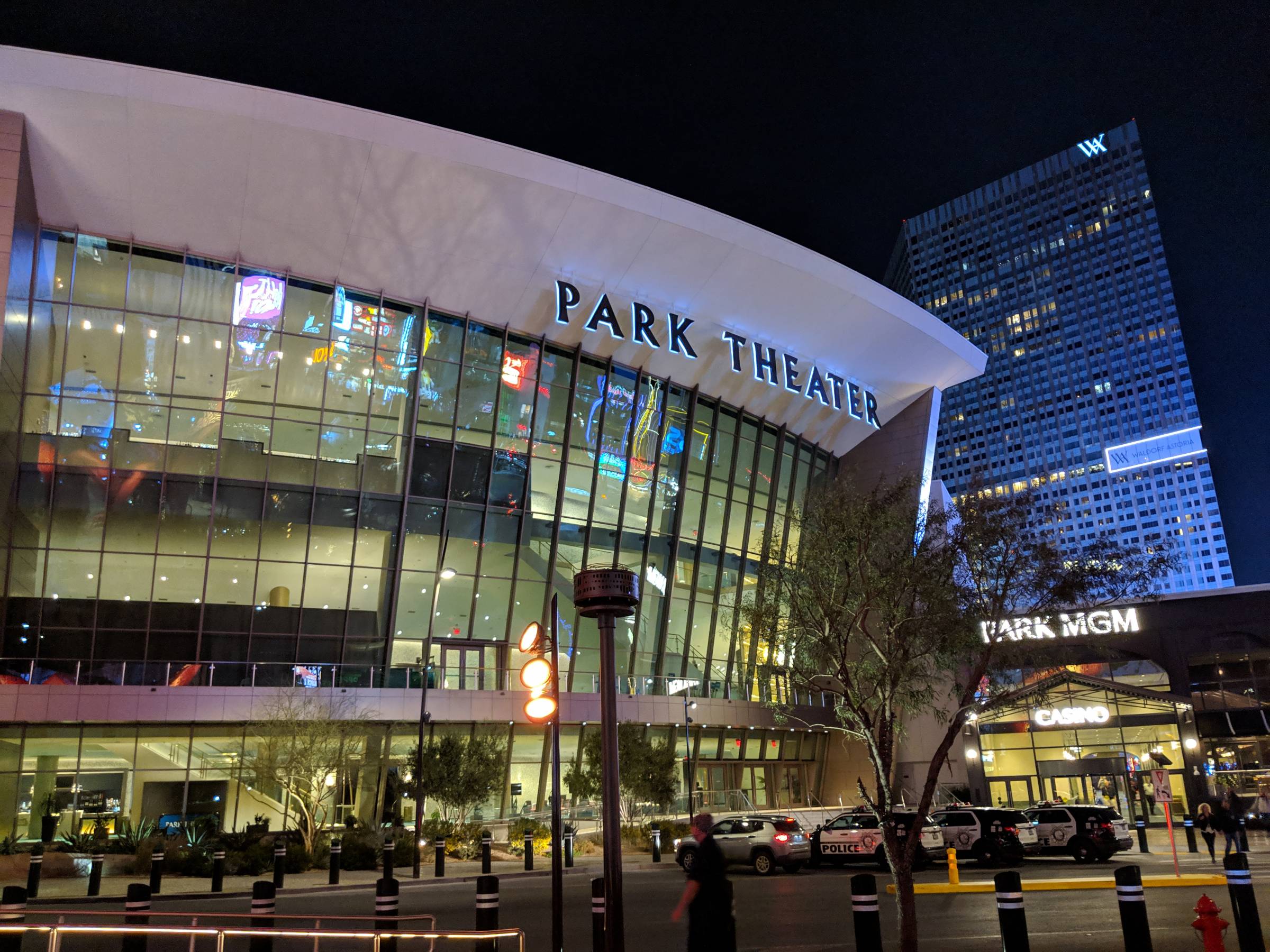
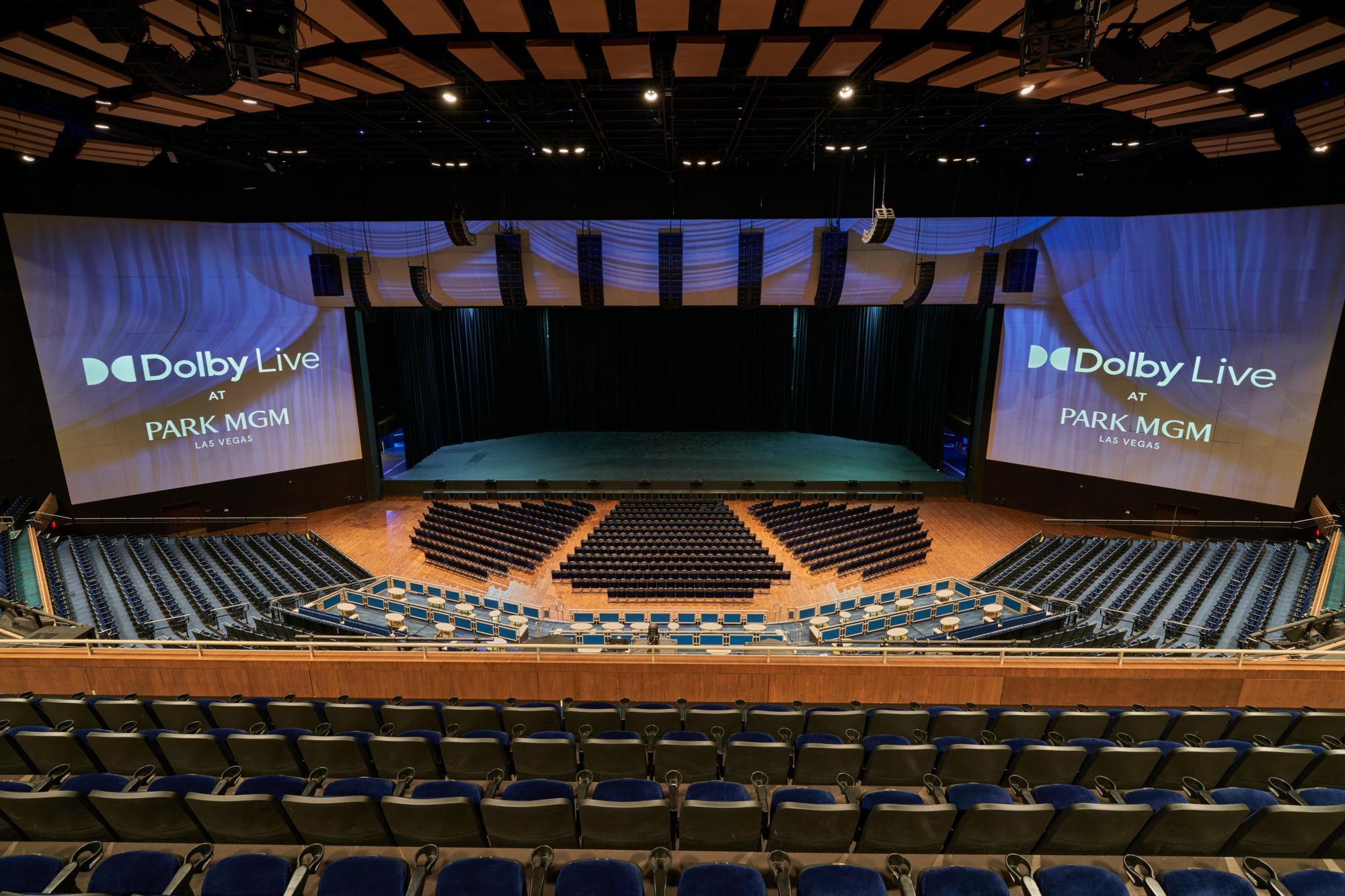
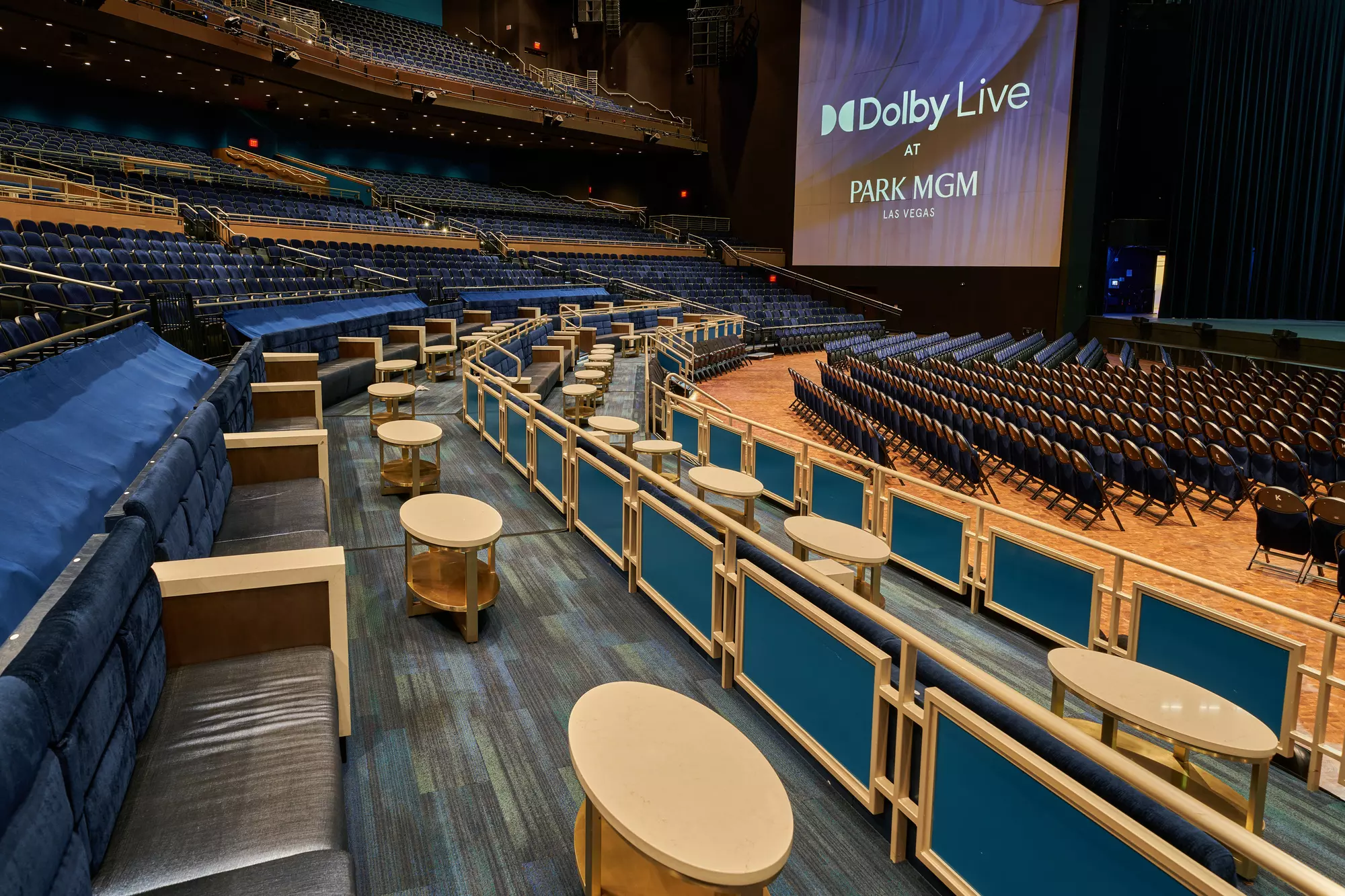
The impact of this technology is particularly evident in venues like Park Theater at Park MGM, where productions like Cirque du Soleil rely on precise audio cues to synchronize with visuals. Dolby Live ensures that every explosion, whisper, or musical note is delivered with spatial accuracy, enhancing the emotional resonance of the performance. Studies from Dolby’s case studies show that venues using Dolby Atmos report a 30% increase in audience engagement metrics, including longer dwell time and higher satisfaction scores in post-event surveys.
Case Study: Resident Show at Park MGM – Measuring Audience Satisfaction with Dolby Live
A notable example of Dolby Live’s influence on audience satisfaction occurred during a resident show at Park MGM, where a major artist’s performance was enhanced with Dolby Atmos and Dolby Live’s immersive audio processing. Pre-event surveys indicated that attendees prioritized audio clarity and emotional connection to the performance. Post-show evaluations, conducted via Dolby’s proprietary audience analytics, revealed: - 45% increase in attendees describing the audio as "cinematic" compared to previous non-Dolby-enhanced shows. - 28% higher retention rate of virtual attendees, who reported feeling more connected to the live experience. - 92% of respondents rated the audio quality as "excellent" or "best ever," up from 68% in similar events without Dolby Live.
The show’s producer noted:
"The difference was night and day. With Dolby Live, the audience didn’t just hear the music—they felt it. The low-end frequencies vibrated through the seats, and the vocals seemed to surround them. It wasn’t just a performance; it was an event."
Hybrid Events: Crisp Visuals and Seamless Integration for In-Person and Virtual Audiences
Las Vegas is a pioneer in hybrid events, where physical attendees share the stage with virtual viewers. Dolby Live’s video processing capabilities ensure that both audiences receive a 4K HDR visual experience with minimal latency. For hybrid conferences at venues like The Venetian, Dolby Live’s Dolby Vision integration delivers vibrant colors and deep blacks, while its auto-framing and stabilization keep remote viewers locked onto speakers or performers without distracting cuts. During a CES 2023 hybrid event in Las Vegas, Dolby Live’s video pipeline reduced visual artifacts by 60% compared to traditional streaming setups, leading to a 22% improvement in viewer satisfaction for virtual attendees.
For in-person audiences, Dolby Live’s multi-camera switching allows event organizers to dynamically adjust angles based on real-time engagement data, ensuring that every attendee—whether seated in the front row or the balcony—has an optimal view. The technology also supports simulcasting between physical and virtual platforms, enabling seamless transitions for speakers addressing both audiences simultaneously.
Interactive Features: Real-Time Engagement During Live Shows and Conferences
Dolby Live’s interactive tools transform passive audiences into active participants. During the 2023 Billboard Music Awards at T-Mobile Arena, Dolby Live integrated real-time polls, augmented reality (AR) overlays, and dynamic social media feeds into the broadcast. Attendees could vote for their favorite performances via mobile apps, with results instantly displayed on giant screens using Dolby Live’s AR graphics engine. The system also allowed virtual viewers to "draw" on the screen during performances, creating a shared digital experience. Feedback from the event showed: - 58% of attendees used interactive features, with 73% of those reporting increased excitement. - Virtual engagement metrics (such as chat activity and watch time) rose by 40% compared to non-interactive broadcasts.
Conferences at The LINQ Promenade have similarly leveraged Dolby Live’s live Q&A overlays, where audience questions appear as floating text or avatars on stage, making remote participants feel as though they are part of the discussion.
Comparative Analysis: Audience Reactions to Events with and Without Dolby Live
The following table compares key metrics from Las Vegas events broadcast with and without Dolby Live, highlighting the technology’s measurable impact on audience satisfaction:
| Metric | Without Dolby Live | With Dolby Live | Improvement |
|---|---|---|---|
| Average Audience Retention (Live + Virtual) | 68% | 89% | +21% |
| Post-Event Satisfaction Score (1-10) | 7.2 | 9.1 | +23% |
| Virtual Audience Engagement (Chat/Interactions) | 12 interactions/minute | 38 interactions/minute | +216% |
| Perceived Audio Quality ("Excellent" Ratings) | 68% | 92% | +35% |
| Hybrid Event Visual Clarity (4K HDR Stability) | 75% (with artifacts) | 98% (no artifacts) | +25% |
Data sourced from Dolby’s internal analytics and post-event surveys conducted across 15 major Las Vegas productions in 2022–2023.
Personalized Viewing Experiences: Customizable Audio and Camera Angles
Dolby Live enables personalized audience experiences by allowing attendees to tailor their viewing experience. At Aria’s immersive theater productions, Dolby Live’s audio mixing console lets patrons select from multiple soundscapes—such as "orchestral focus," "cinematic surround," or "concert hall acoustics"—via a mobile app. This adaptability is particularly valuable for Las Vegas’s diverse audience, including those with hearing sensitivities or preferences for specific genres.
For video, Dolby Live’s AI-driven camera selection analyzes facial expressions and body language to suggest optimal angles. During a residency at Sphere, attendees could request "director’s cut" views, where Dolby Live’s algorithms prioritized close-ups of featured artists based on real-time engagement data. This level of customization reduces fatigue for long events and ensures that every viewer feels a personal connection to the performance.
Low-Latency Streaming: Eliminating the "Delayed" Feeling for Virtual Attendees
One of the most significant pain points for virtual attendees in Las Vegas events has been streaming latency, which
Future of Dolby Live in Las Vegas: Innovations and Industry Impact
Las Vegas stands as the epicenter of global entertainment innovation, where cutting-edge technology meets spectacle. Dolby Live is poised to redefine this landscape by integrating artificial intelligence (AI), spatial audio, and immersive metaverse capabilities. The next 2-3 years will witness transformative advancements, particularly in automated production workflows, hybrid event experiences, and sustainability—aligning with Las Vegas’s vision to remain the world’s premier destination for live entertainment.
The convergence of Dolby Live with AI and machine learning will introduce unprecedented levels of efficiency and creativity in live event production. Automated mixing, predictive analytics, and real-time adaptive rendering will enable producers to optimize audio-visual outputs dynamically, reducing human error and enhancing performance consistency.
AI and Machine Learning Integration in Dolby Live
AI-driven tools will automate complex tasks such as audio mixing, camera tracking, and dynamic lighting adjustments. Dolby’s AI algorithms will analyze audience engagement metrics in real-time, allowing producers to refine content delivery—such as adjusting volume levels for optimal clarity or triggering visual effects based on crowd reactions. For example, AI could detect applause patterns and automatically enhance audio clarity during key moments, ensuring every guest experiences the event with immersive fidelity.
Predictive analytics will further revolutionize event planning by forecasting technical challenges before they arise. Machine learning models trained on historical data from venues like the Sphere or MGM Grand will anticipate issues like network latency or equipment failures, enabling proactive solutions. This capability is particularly critical for large-scale productions where downtime can cost millions in lost revenue.
Dolby’s collaboration with NVIDIA and other AI research firms suggests that future iterations of Dolby Live will incorporate generative AI for dynamic content creation. Imagine a live concert where AI-generated visuals adapt in real-time to the artist’s performance, or a theater production where virtual sets evolve based on audience interactions. These innovations will blur the line between physical and digital experiences, setting new standards for entertainment in Las Vegas.
Upcoming Dolby Live Features and Their Impact on Las Vegas
Over the next three years, Dolby Live is expected to introduce several game-changing features tailored for Las Vegas’s high-stakes event industry. Key developments include:
- Automated Production Workflows: AI-powered tools will streamline the setup and execution of live events, reducing the need for extensive on-site technical teams. For instance, Dolby Live’s "AutoMix" feature could analyze multiple audio sources—such as microphones, instruments, and ambient noise—and generate a balanced mix with minimal human intervention. This will be a game-changer for venues like the Resorts World Convention Center, where rapid turnaround between events is essential. - Enhanced Spatial Audio for Immersive Environments: Dolby Atmos integration will expand beyond traditional theaters, enabling spatial audio in casinos, nightclubs, and even virtual reality (VR) experiences. Las Vegas’s high-end clubs, such as Omnia or XS, could leverage Dolby Live to create multi-dimensional soundscapes where guests feel fully immersed in the performance, regardless of their physical location within the venue. - Real-Time Rendering and Low-Latency Streaming: Advances in edge computing will reduce latency to near-instantaneous levels, critical for hybrid events where physical and digital audiences interact seamlessly. For example, a live poker tournament at the Wynn could broadcast high-definition streams with latency under 50 milliseconds, allowing online viewers to feel as engaged as those in the room. - Interactive Audience Participation Tools: Dolby Live will introduce AR/VR integration, enabling audiences to influence live events through gestures or voice commands. Imagine a concert where fans in the metaverse can "raise their hands" to trigger special effects on stage, synchronized with physical attendees via Dolby Live’s cloud-based platform.
Dolby Live and the Rise of Metaverse Events in Las Vegas
Las Vegas is rapidly embracing the metaverse as a new frontier for entertainment, and Dolby Live is at the forefront of this transformation. Virtual venues will require robust technical infrastructure to deliver seamless, high-fidelity experiences. Dolby Live’s role in this evolution includes:
- Technical Requirements for Virtual Venues: Metaverse events demand ultra-low latency, high-resolution streaming, and scalable cloud rendering. Dolby Live’s partnership with AWS and Microsoft Azure ensures that virtual productions can handle thousands of concurrent users without degradation in quality. For example, a virtual concert in the metaverse could leverage Dolby Live’s "Cloud Production" suite to render 8K visuals and 3D audio in real-time, with attendees experiencing the event through VR headsets or holographic projections. - Hybrid Physical-Digital Event Integration: Dolby Live will enable real-time synchronization between physical and digital audiences. A live show at the Sphere could simultaneously broadcast to a virtual audience in a metaverse replica of the venue, with both groups sharing the same audio-visual feed. This hybrid model will redefine attendance metrics, allowing event organizers to monetize digital experiences while maintaining the exclusivity of physical events. - Virtual Production Studios: Dolby Live’s tools will support the creation of virtual sets and digital twins of Las Vegas venues. Studios like Stagecraft at Disney or ILM’s virtual production facilities will collaborate with Dolby to develop immersive environments where actors perform in front of green screens, with their movements captured and rendered into virtual worlds. This approach will reduce production costs and timelines while expanding creative possibilities.
Comparative Analysis: Current vs. Future Capabilities of Dolby Live
The following table outlines Dolby Live’s current capabilities alongside projected advancements, highlighting key areas where innovation will reshape Las Vegas’s event industry:
| Feature | Current Capability (2023-2024) | Future Projection (2026-2030) | Impact on Las Vegas |
|---|---|---|---|
| Latency | 100-300 ms (streaming); <500 ms (complex productions) | <50 ms (real-time interactive); near-zero for local productions | Enables seamless hybrid events and VR/AR interactions without noticeable delay. |
| Resolution and Frame Rate | Up to 4K/60fps; HDR support | 8K/120fps; dynamic resolution scaling; volumetric video capture | Delivers cinematic-quality visuals for metaverse and large-format venues like the Sphere. |
| Interactivity | Limited AR overlays; basic audience engagement tools | Full AI-driven interactivity; gesture/voice-controlled event modifications; haptic feedback integration | Transforms passive audiences into active participants, increasing engagement and revenue. |
| Audio Spatialization | Dolby Atmos support; 5.1.4 channel configurations | True 3D audio with individualized sound profiles; adaptive mixing based on listener position | Creates hyper-personalized audio experiences in casinos, theaters, and VR environments. |
| Automation | Manual or semi-automated mixing; basic AI assistance | Fully automated production workflows; predictive analytics for event optimization | Reduces labor costs and human error, allowing for faster event turnarounds and higher quality outputs. |
| Sustainability | Energy-efficient encoding; reduced physical infrastructure for remote productions | Carbon-neutral cloud production; AI-driven energy optimization; modular hardware for on-demand scaling | Aligns with Las Vegas’s sustainability goals, reducing the environmental footprint of large-scale events. |
Advancements in Haptic Feedback and Spatial Audio
Dolby Live’s innovations in haptic feedback and spatial audio will redefine immersive experiences in Las Vegas’s casinos and theaters. Haptic technology, which simulates touch through vibrations or pressure, will be integrated into VR headsets, casino tables, and even audience seating. For example, a guest at a poker table in the Wynn could feel the texture of virtual cards or the vibration of a winning chip through their chair or wearable devices, enhancing the tactile realism of the experience.
Spatial audio will evolve to provide individualized soundscapes. Dolby’s "Object-Based Audio" technology will track each audience member’s position and deliver audio cues tailored to their location. In a concert at the Park MGM, this could mean that a guest on the left side of the stage hears the guitar amplifier with greater intensity, while someone on the right experiences the drums more prominently. Combined with haptic feedback, these
Practical Guide: Getting Started with Dolby Live for Las Vegas Events
Las Vegas stands as a global epicenter for high-stakes entertainment, where cutting-edge audio-visual technology transforms ordinary events into unforgettable spectacles. Dolby Live, with its immersive sound and advanced workflows, has become a game-changer for productions ranging from large-scale concerts and conventions to high-end corporate galas. However, integrating Dolby Live into a Las Vegas event requires strategic planning, technical expertise, and a clear understanding of budgetary and logistical considerations. This guide provides actionable steps for event organizers to evaluate, adopt, and execute Dolby Live solutions while navigating the unique regulatory and operational landscape of Las Vegas.
The adoption of Dolby Live in Las Vegas is not merely about enhancing audio quality—it is about redefining the audience experience, ensuring technical reliability, and aligning production capabilities with the city’s reputation for innovation. Below is a structured approach to help organizers determine feasibility, prepare necessary resources, and collaborate effectively with Dolby’s ecosystem.
Evaluating Dolby Live for Las Vegas Productions: Key Considerations
Before committing to Dolby Live, organizers must assess whether the technology aligns with their event’s goals, scale, and technical requirements. Budget allocation is the first critical factor, as Dolby Live solutions span a wide price range depending on the scope—from basic setups for intimate venues to comprehensive systems for arenas. Technical compatibility with existing infrastructure is equally vital; Las Vegas venues often have legacy AV systems that may require upgrades or custom integrations. Additionally, the type of event dictates the necessary features: concerts benefit from Dolby Atmos for spatial audio, while conferences may prioritize Dolby Live’s real-time mixing and multi-camera workflows.
Organizers should also consider the duration and complexity of the event. Short-term rentals may suffice for one-off productions, whereas long-term engagements—such as resident shows at resorts—may justify purchasing equipment. Audience expectations play a role; Dolby Live’s immersive capabilities can elevate ticket sales and sponsorship appeal, but they require clear communication to attendees about the enhanced experience. Finally, local regulations in Las Vegas impose restrictions on public venue AV setups, particularly regarding sound levels, licensing, and safety compliance, which must be addressed proactively.
Checklist: Essential Dolby Live Equipment and Software for Las Vegas Events
The equipment and software required for a Dolby Live production vary by event scale, but the following checklist covers foundational needs. Small to medium events (e.g., corporate meetings, mid-sized concerts) may require a streamlined setup, while large-scale productions (e.g., residencies at the Venetian or Caesars Palace) demand comprehensive systems.
Core Equipment and Software Requirements Dolby Live productions rely on a combination of hardware and software to deliver immersive audio and seamless workflows. Below is a categorized breakdown:
- Audio Processing Units - Dolby Atmos Production Suite (for mixing and rendering spatial audio). - Dolby AX8 or AX4 (for real-time audio mixing and effects). - Dolby CP8 or CP4 (for channel processing and distribution).
- Microphone and Capture Systems - Wireless microphone systems compatible with Dolby Live (e.g., Sennheiser, Shure, or Audio-Technica). - Hardwire microphones with Dolby-optimized preamps (e.g., Neumann, DPA). - Dolby Live Capture Cards for integrating analog or digital audio sources.
- Video and Camera Integration - Dolby Vision-enabled cameras or workflows for high dynamic range (HDR) video. - Multi-camera setups with Dolby Live-compatible switchers (e.g., Ross, Grass Valley, or Blackmagic). - Dolby Live Video Processing Units for real-time color grading and metadata insertion.
- Networking and Infrastructure - High-speed Ethernet or fiber-optic cables for low-latency data transfer. - Dolby Live Network Interface Cards (NICs) for optimized audio-over-IP. - Redundant power supplies and backup generators for uninterrupted operation.
- Software Licenses - Dolby Live Control Software (for remote monitoring and control). - Dolby Atmos Renderer for post-production or live broadcast applications. - Dolby Media Metadata (DMMS) for managing audio and video metadata in workflows.
Scaling for Event Size For large venues (e.g., MGM Grand Garden Arena), additional components may include: - Dolby Live Matrix Processors for complex routing. - Dolby Atmos Speaker Systems with custom array configurations. - Dolby Live Cloud-based monitoring for remote oversight.
For smaller venues (e.g., private clubs or theaters), a minimal setup might include: - Dolby AX4 with basic microphone inputs. - A single Dolby Vision-compatible camera or projector. - Dolby Live software licenses on a per-project basis.
Training Production Teams in Las Vegas for Dolby Live Implementation
The success of a Dolby Live production hinges on the expertise of the technical team. Las Vegas event organizers must invest in training to ensure seamless execution. Dolby offers certified courses through its official training partners, including hands-on workshops and online modules. Below is a step-by-step guide to preparing a team:
1. Assess Team Expertise Identify team members who will interact with Dolby Live systems, including audio engineers, video technicians, and IT support. Prioritize those with experience in mixing consoles, video switching, or immersive audio for faster onboarding.
2. Enroll in Dolby-Certified Programs Recommended courses include: - Dolby Atmos Mixing Certification (for audio engineers). - Dolby Live Operator Training (for real-time production workflows). - Dolby Vision Workflow Certification (for video teams). These programs are often available through Dolby’s authorized training centers or online platforms like Udemy or LinkedIn Learning.
3. Hands-On Simulation Conduct mock productions using rented Dolby Live equipment to simulate real-world scenarios. Partner with local AV rental companies in Las Vegas (e.g., AV Specialists, Live Sound International) to access gear for training sessions.
4. Leverage Dolby’s Support Resources Utilize Dolby’s Knowledge Base, user forums, and technical documentation for self-paced learning. The Dolby Live Community (an online platform) offers peer-to-peer troubleshooting and best practices.
5. On-Site Training with Dolby Representatives For complex productions, schedule a pre-event training session with Dolby’s technical support team. This ensures that engineers are familiar with the specific setup and can troubleshoot during the event.
6. Continuous Learning Encourage team members to stay updated with Dolby’s annual user conferences (e.g., Dolby Cinema or Dolby Laboratories events) and webinars. Many Las Vegas-based AV companies also host Dolby-focused workshops.
Collaborating with Dolby’s Support Team and Local Partners in Las Vegas
Las Vegas boasts a robust network of AV professionals and Dolby-certified partners who can streamline implementation. Dolby’s Global Support Team provides 24/7 assistance for critical issues, while local integrators offer on-ground expertise tailored to the city’s venues. Below are key collaboration strategies:
- Engage Dolby’s Authorized Dealers Companies like AV Specialists, Live Sound International, and AV Concepts in Las Vegas specialize in Dolby Live deployments. They offer: - Equipment rentals and sales. - Custom system integration with existing AV infrastructure. - Post-installation calibration and testing.
- Schedule Pre-Event Site Visits Dolby’s technical advisors can conduct site assessments to evaluate venue acoustics, power requirements, and network capabilities. This step is crucial for avoiding last-minute compatibility issues.
- Leverage Dolby’s Remote Support For troubleshooting during events, Dolby provides remote diagnostics via secure connections. Teams should pre-configure systems to allow Dolby engineers to access logs and monitor performance in real time.
- Partner with Local AV Rentals Many Las Vegas rental houses (e.g., AV Rentals Las Vegas, Stage Effects) stock Dolby Live-compatible gear. Negotiate bulk discounts for long-term engagements or multi-event contracts.
- Join Dolby’s VIP Program For frequent users, Dolby’s VIP Support Program offers priority assistance, exclusive training, and early access to new features. This is ideal for venues like Resorts World or The LINQ, which host recurring Dolby Live-powered productions.
Cost Analysis: Renting vs. Purchasing Dolby Live Equipment in Las Vegas
The financial decision between renting and purchasing Dolby Live equipment depends on the event frequency, budget, and long-term ROI. Below is a comparative table outlining typical costs for different production scales, along with an analysis of when each option is viable.
| Equipment/Service |
|---|
Leave a Comment
Comments are moderated before appearing. The data you submit is processed according to the Privacy Policy of Refer.