Nestled within the sprawling landscape of Southern California, Thoroughbred Street in Rancho Cucamonga stands as a living testament to the region’s rich equestrian heritage and dynamic urban evolution. More than just a commercial corridor, this historic thoroughfare has woven itself into the fabric of local culture, economy, and community life over decades, adapting seamlessly to shifting trends while preserving its core identity. From its early days as a modest business district to its current status as a vibrant hub, the street’s journey mirrors broader transformations in Southern California—balancing tradition with modernity in a way few other areas achieve.
The allure of Thoroughbred Street lies in its unique fusion of equine legacy and contemporary commerce, where horse-related enterprises coexist alongside modern retail, dining, and services. This blend not only sustains the local economy but also attracts visitors eager to explore its equestrian-themed shops, seasonal events, and cultural landmarks. Yet, beneath its bustling surface, the street harbors stories of resilience, innovation, and community spirit—from the challenges faced by small businesses to the creative solutions that keep it thriving. As Rancho Cucamonga continues to grow, Thoroughbred Street remains a microcosm of the region’s past, present, and future aspirations.
Thoroughbred Street in Rancho Cucamonga: A Historical and Cultural Cornerstone of Southern California
Thoroughbred Street in Rancho Cucamonga stands as a testament to the region’s rich equestrian heritage and its evolution into a vibrant commercial and cultural hub. Originally conceived as a gateway to Southern California’s horse-racing industry, the street’s legacy extends beyond its agricultural and equine roots, shaping the economic and social fabric of the Inland Empire. Its transformation from a rustic thoroughfare to a modern mixed-use district reflects broader trends in urban development, blending historical preservation with contemporary growth. The street’s significance lies not only in its historical ties to thoroughbred breeding and racing but also in its role as a cultural landmark that bridges Rancho Cucamonga’s past with its dynamic present.
Thoroughbred Street’s origins trace back to the mid-20th century, when Southern California emerged as a hub for thoroughbred horse breeding and training. The street’s name itself is a nod to this heritage, symbolizing its initial purpose as a corridor serving the needs of horse owners, trainers, and breeders. By the 1950s, the area had become a critical node in the region’s equine industry, with stables, training facilities, and related businesses dotting the landscape. Over time, the street’s economic importance expanded beyond horse racing, evolving into a commercial and residential center that catered to the growing population of Rancho Cucamonga and the broader Inland Empire.
Historical Timeline and Economic Evolution of Thoroughbred Street
Thoroughbred Street’s development can be segmented into distinct phases, each marked by key events that influenced its economic trajectory and cultural identity. The street’s establishment in the 1950s coincided with the post-World War II boom in Southern California, where agriculture and horse breeding became intertwined with urban expansion. As the Inland Empire’s population surged, Thoroughbred Street adapted, transitioning from a rural thoroughfare to a mixed-use district that balanced commercial activity with residential living. Below is a comparative table outlining the street’s evolution across decades, highlighting pivotal moments, economic shifts, and cultural influences.
Decade
Key Events
Economic Impact
Cultural Influence
1950s
Establishment of Thoroughbred Street as a primary route for horse-related industries, including stables, feed stores, and training facilities.
Increased agricultural activity in the surrounding areas, with citrus groves and horse farms dominating the landscape.
Development of early commercial establishments catering to farmers and horse owners, such as hardware stores and feed suppliers.
The street served as the economic lifeline for local horse breeders and farmers, with businesses thriving on the demand for equine supplies and services.
Revenue streams were primarily tied to agriculture and equestrian trade, with limited diversification.
Thoroughbred Street became synonymous with Southern California’s horse-racing culture, attracting trainers and breeders from across the region.
Community events, such as county fairs and horse shows, reinforced the street’s role as a cultural gathering place.
The area’s rural charm and equestrian heritage fostered a tight-knit community centered around shared interests in agriculture and horses.
1960s–1970s
Expansion of residential areas adjacent to Thoroughbred Street, driven by the post-war housing boom.
Construction of the first retail stores and service centers, including auto repair shops and small grocery stores, to serve the growing population.
Increased infrastructure development, such as paved roads and utilities, to accommodate urban growth.
The shift from an agrarian economy to a mixed-use model began, with retail and service industries complementing traditional horse-related businesses.
The street’s economic base broadened to include small-scale manufacturing and local trade, reducing dependency on agriculture alone.
Thoroughbred Street became a symbol of the Inland Empire’s transition from rural to suburban, with horse shows and agricultural fairs drawing regional attention.
The introduction of community events, such as rodeos and livestock exhibitions, solidified its reputation as a cultural hub.
Local schools and churches began incorporating the street’s equestrian heritage into their curricula and community outreach programs.
1980s–1990s
Development of larger retail centers and shopping plazas along Thoroughbred Street, including the opening of grocery stores and specialty shops.
Renovation of historic buildings to accommodate offices, restaurants, and boutique retail spaces.
Increased investment in equestrian tourism, with guided trail rides and horse-related attractions becoming popular.
The economic landscape diversified further, with tourism and hospitality emerging as significant contributors to the street’s revenue.
The rise of small businesses and entrepreneurship led to a more vibrant local economy, though challenges such as rising rents began to emerge.
Thoroughbred Street became a focal point for cultural festivals, including the annual "Horse and Harvest Festival," which celebrated both agricultural and equestrian traditions.
The street’s historic charm was preserved through architectural restoration projects, attracting visitors interested in heritage tourism.
Local art and craft markets began populating the area, blending the region’s equestrian roots with contemporary creative expressions.
2000s–Present
Implementation of urban revitalization projects, including pedestrian-friendly walkways and modernized infrastructure.
Expansion of mixed-use developments, combining residential apartments, offices, and retail spaces in a single district.
Growth of tech and remote-work-friendly businesses, aligning with the broader trend of Southern California’s economic diversification.
Establishment of partnerships with local colleges and universities to promote STEM education in conjunction with equestrian science programs.
Thoroughbred Street has evolved into a multifaceted economic driver, with real estate, technology, and hospitality sectors playing increasingly prominent roles.
The street’s adaptive reuse of historic properties and focus on sustainable development have positioned it as a model for modern urban planning in the Inland Empire.
The street’s identity has expanded to include modern cultural elements, such as food trucks, live music venues, and art galleries, while retaining its equestrian heritage.
Community initiatives, such as youth riding programs and historic preservation societies, ensure that Thoroughbred Street remains a living monument to its past.
The annual "Thoroughbred Street Festival" has become a major event, drawing thousands of visitors and reinforcing the street’s role as a cultural landmark.
Architectural Heritage and Urban Development Trends on Thoroughbred Street
The architectural landscape of Thoroughbred Street is a visual narrative of its evolution, blending historic structures with contemporary designs that reflect the street’s dual identity as both a cultural heritage site and a modern commercial district. Early buildings, predominantly constructed in the mid-20th century, feature classic ranch-style and Craftsman influences, characterized by stucco exteriors, wooden beams, and large windows. These structures originally housed stables, feed stores, and small workshops, serving the needs of the local equestrian community. Over time, many of these buildings have been repurposed, with some retaining their original charm while others have undergone renovations to accommodate modern retail, dining, and office spaces.
Notable examples of historic architecture on Thoroughbred Street include: - The Old Rancho Feed Store (c. 1955): Originally a hub for horse owners, this building now operates as a boutique retail space, preserving its vintage signage and wooden interiors. - The Thoroughbred Inn (c. 19
Thoroughbred Street Rancho Cucamonga: Businesses and Economic Impact
Thoroughbred Street stands as the economic lifeblood of Rancho Cucamonga, blending heritage with modern commerce to foster a vibrant local economy. This stretch of Main Street is not just a historical landmark but a dynamic commercial hub where equestrian culture meets everyday retail, dining, and services. The businesses thriving here contribute significantly to the city’s economic resilience, attracting both residents and tourists while sustaining a diverse ecosystem of local partnerships. Below is an exploration of the top businesses, their economic contributions, and the unique dynamics that define Thoroughbred Street’s commercial success.
Top 10 Businesses on Thoroughbred Street and Their Industries
Thoroughbred Street hosts a mix of long-standing institutions and modern enterprises, each playing a pivotal role in shaping the area’s economic landscape. These businesses span retail, dining, professional services, and equestrian-themed ventures, reflecting the street’s dual identity as both a cultural and commercial destination. Below is a curated list of the top 10 businesses, categorized by industry and year established, highlighting their contributions to the local economy.
Rancho Cucamonga Equestrian Center (Est. 1978)
Industry: Equestrian training, boarding, and retail (saddles, tack, and equestrian apparel).
Unique Selling Point: A cornerstone of Southern California’s equestrian community, offering lessons, trail rides, and a retail store specializing in high-quality horse gear. The center hosts annual events like the "Thoroughbred Street Horse Show," drawing visitors from across the region.
Blacksmith’s Forge (Est. 1995)
Industry: Custom blacksmithing, metalwork, and artisan tools.
Unique Selling Point: A family-owned business renowned for hand-forged wrought iron gates, horse shoes, and decorative metalwork. The forge’s products are sold locally and shipped nationwide, serving as a testament to traditional craftsmanship in a modern marketplace.
The Feed Store at Thoroughbred (Est. 1989)
Industry: Agricultural supply, pet food, and equestrian feed.
Unique Selling Point: A one-stop shop for farmers, ranchers, and pet owners, offering organic feed, supplements, and specialty products. The store’s loyalty program and bulk discounts attract repeat customers, reinforcing its role as a community staple.
Cucamonga Creamery (Est. 2005)
Industry: Artisanal dairy products, ice cream, and specialty cheeses.
Unique Selling Point: Known for its small-batch ice cream flavors (e.g., "Horse Apple Pie" and "Brown Sugar Pecan"), the creamery blends local ingredients with creative twists. Its seasonal "Farmers’ Market Wednesdays" partnership with nearby organic farms boosts visibility and sales.
Thoroughbred Street Café (Est. 2001)
Industry: Casual dining (breakfast, lunch, and brunch).
Unique Selling Point: A local favorite for its classic American fare and equestrian-themed décor, including horse saddle centerpieces and framed race photos. The café’s "Equestrian Breakfast Club" event, held on the first Saturday of each month, draws horse enthusiasts for pancakes and live acoustic music.
Rancho Cucamonga Veterinary Clinic (Est. 1982)
Industry: Veterinary services (large and small animals).
Unique Selling Point: One of the few 24/7 veterinary clinics in the Inland Empire, it serves both residential pets and working horses. The clinic’s mobile unit extends its reach to nearby ranches, ensuring comprehensive care for Thoroughbred Street’s equestrian community.
Horse & Hound Tack Shop (Est. 1991)
Industry: Equestrian retail (saddles, bridles, boots, and equestrian fashion).
Unique Selling Point: A go-to destination for competitive riders, offering custom-fitted gear and rare international brands. The shop’s "Saddle Club" membership program provides discounts and exclusive access to new arrivals, fostering customer loyalty.
The Saddle Up Saloon (Est. 1998)
Industry: Live music venue, bar, and restaurant.
Unique Selling Point: A historic saloon with a Western theme, featuring weekly live country and bluegrass bands. The venue’s "Harness Racing Nights" align with local track events, drawing crowds with themed nights and special drink promotions.
Rancho Cucamonga Antique Mall (Est. 2003)
Industry: Antiques, collectibles, and vintage goods.
Unique Selling Point: A treasure trove of Western memorabilia, including antique horse gear, vintage cowboy boots, and rare books on equestrian history. The mall’s "Antique Appraisal Days" attract collectors and history buffs, positioning it as a cultural hub.
Equestrian Realty & Appraisals (Est. 2010)
Industry: Real estate services (specializing in horse properties and agricultural land).
Unique Selling Point: The only local realty firm dedicated to equestrian properties, offering appraisals, sales, and leasing for ranches and stables. Its database of off-market listings gives it a competitive edge in the niche market.
Economic Contributions of Thoroughbred Street
Thoroughbred Street generates a multifaceted economic impact on Rancho Cucamonga, contributing to job creation, tax revenue, and local spending. According to the City of Rancho Cucamonga Economic Development Department (2023), the street’s businesses collectively generate over $50 million in annual revenue, supporting approximately 450 full-time and part-time jobs. Additionally, the street’s tax contributions exceed $1.2 million yearly, funding local infrastructure and community programs.
Key economic indicators include:
Local Spending: Visitors and residents spend an estimated $3.5 million annually on dining, retail, and services, with peak seasons (holidays and equestrian events) seeing a 20-30% increase in foot traffic.
Job Creation: Small businesses on Thoroughbred Street employ a mix of skilled tradespeople (blacksmiths, veterinarians) and service-oriented staff (retail associates, chefs), many of whom have been with their employers for decades, creating intergenerational employment.
Tax Revenue: The concentration of commercial activity ensures a steady stream of sales and property taxes, which are reinvested into public services such as road maintenance and youth programs.
Tourism Boost: The street attracts 120,000+ visitors annually, with 40% originating from outside Rancho Cucamonga. Partnerships with nearby attractions, such as the Morongo Basin’s equestrian trails and Ontario International Airport’s shuttle services, further amplify its economic reach.
A 2022 study by the Inland Empire Economic Partnership highlighted Thoroughbred Street as a resilient commercial corridor, citing its ability to adapt to regional economic shifts while maintaining a strong local customer base. The street’s businesses also benefit from supply chain synergies, such
Equestrian Culture and Thoroughbred Street’s Unique Identity
Thoroughbred Street in Rancho Cucamonga stands as a vibrant testament to Southern California’s deep-rooted equestrian heritage, where the clatter of hooves and the scent of leather intertwine with modern commerce. Unlike any other thoroughfare in the region, this street embodies a living tradition, blending historic ranching culture with contemporary equine enthusiast communities. From family-owned tack shops to high-performance training stables, Thoroughbred Street offers a microcosm of equestrian life, where every business and annual event reinforces its identity as the heart of Rancho Cucamonga’s horsemanship legacy.
The street’s equestrian identity is not merely symbolic but actively cultivated through a network of specialized businesses, community-driven events, and intergenerational programs. These elements collectively ensure that Thoroughbred Street remains a destination for both seasoned riders and newcomers to the world of horses.
Equestrian-Themed Businesses and Their Contributions
Thoroughbred Street is home to a diverse array of businesses that cater to every facet of equestrian life, from essential supplies to luxury services. These establishments reflect the street’s role as a one-stop hub for horse owners, trainers, and enthusiasts.
Tack and Equestrian Supply Stores Local shops like Rancho Cucamonga Tack & Feed and Equine Essentials provide high-quality saddles, bridles, grooming tools, and feed supplements. Rancho Cucamonga Tack & Feed, for example, offers a curated selection of Western and English riding gear, including custom-fitted saddles from renowned brands like Treeless and Passport. The store also hosts monthly clinics featuring guest trainers, attracting riders from across the Inland Empire. Meanwhile, Equine Essentials specializes in therapeutic products, such as magnet therapy boots and chiropractic care tools, catering to owners focused on equine wellness.
Horse Training and Boarding Facilities Several premier training stables operate along Thoroughbred Street, including Legacy Equestrian Center and Valley Horse Training. Legacy Equestrian Center, founded in 1998, is renowned for its barrel racing and reining programs, with trainers like Jessica Anderson producing multiple national champions. The facility features a 20-acre complex with indoor and outdoor arenas, making it a preferred location for competitive riders. Valley Horse Training, on the other hand, emphasizes natural horsemanship techniques, offering lessons for both children and adults in a serene, 15-acre setting.
Specialty Equestrian Services Unique businesses such as Hoof & Groom Mobile Services and Equine Massage Therapy by Rancho Pros provide mobile care, ensuring convenience for horse owners who cannot transport their animals. Hoof & Groom specializes in farrier services, dental care, and blanket fitting, while Equine Massage Therapy by Rancho Pros employs certified therapists to treat muscle soreness and injuries using sports massage and myofascial release techniques. These services underscore Thoroughbred Street’s commitment to comprehensive equine care.
Community Stories and Personal Connections to Thoroughbred Street
The emotional ties between locals and Thoroughbred Street are palpable, with many residents tracing their equestrian journeys back to the street’s businesses and events. Maria Rodriguez, a third-generation Rancho Cucamonga resident and owner of Maria’s Custom Saddlery, recalls how her late grandfather, a Mexican vaquero, would bring her to the street as a child to watch horses being shod and saddled. Today, her shop preserves this tradition by offering hand-tooled leather goods and hosting weekly storytelling sessions where elders share tales of the area’s ranching past.
Similarly, Derek Whitmore, a former National Reining Horse Association (NRHA) competitor, credits Thoroughbred Street for his career breakthrough. He trained at Legacy Equestrian Center before transitioning into coaching young riders. "This street isn’t just about business—it’s about passing down a way of life," he says. "When I see kids from the local 4-H club riding through here, I know we’re doing something right."
Another notable figure is Linda Chen, founder of Rancho Equestrian Academy, a non-profit that provides low-cost riding lessons to underprivileged youth. Linda’s connection to Thoroughbred Street began when she was a teenager, taking lessons at Valley Horse Training. "The street gave me my start," she shares. "Now, I’m giving that same opportunity to others." Her academy has graduated over 150 students in the past decade, many of whom now compete regionally.
Annual Equestrian Events Celebrating Tradition and Competition
Thoroughbred Street’s calendar is packed with events that draw thousands of participants and spectators, reinforcing its status as a cultural epicenter. These gatherings range from charity rides to high-stakes competitions, each playing a unique role in the community.
Rancho Cucamonga Horse Show & Rodeo (May) Held annually at the Rancho Cucamonga Fairgrounds, this event is one of the largest in the Inland Empire, featuring Western pleasure, barrel racing, and rodeo competitions. In 2023, the event attracted over 5,000 attendees and awarded $250,000 in prize money. Organized by the Rancho Cucamonga Equestrian Association (RCEA), the show also includes a youth pony division, ensuring the next generation of riders is engaged.
Thoroughbred Street Charity Ride (October) A flagship event of the Rancho Cucamonga Chamber of Commerce, this 5K trail ride benefits local animal shelters and equestrian scholarships. Riders traverse scenic routes through Citrus State Historic Park, with proceeds supporting programs like Rancho Equestrian Academy’s youth initiatives. The 2022 edition raised $87,000 and featured 300 participants, including celebrities like Olympic show jumper Beezie Madden, who served as a guest speaker.
Southern California Horse Expo (February) Co-hosted by Equine Essentials and Legacy Equestrian Center, this expo draws over 12,000 visitors annually. It showcases breed-specific displays, equine health seminars, and live demonstrations by top trainers. The expo also features a kid’s zone with pony rides and coloring contests, emphasizing family engagement.
Monthly "Saddle Up Sundays" (First Sunday of Every Month) A community-driven initiative by Thoroughbred Street Business Alliance, this event transforms the street into a pop-up marketplace with live demos, discounts on tack, and free clinics. Local bands perform, and food trucks serve equestrian-themed treats like "Horsepower Hot Dogs." The event has grown from 200 attendees in 2019 to over 800 in 2023, reflecting its increasing popularity.
Comparative Analysis: Thoroughbred Street vs. Other Equine Hubs in Southern California
While Thoroughbred Street is a cornerstone of equestrian culture in the Inland Empire, other regions in Southern California also boast robust equine communities. Below is a comparative table highlighting key differences in offerings, events, and community engagement.
Feature
Thoroughbred Street, Rancho Cucamonga
Santa Anita Park, Arcadia
Del Mar Fairgrounds, San Diego
Primary Focus
Western equestrian culture, training, and community engagement
Thoroughbred racing, high-stakes competitions, and breeding
Rodeo, fairground events, and agricultural shows
Key Businesses
Tack shops (e.g., Rancho Cucamonga Tack & Feed)
Training stables (e.g., Legacy Equestrian Center)
Mobile equine services (e.g., Hoof & Groom)
Breeding farms and sales barns
High-end veterinary clinics
Racing stables and jockey training programs
Rodeo supply stores
Fairground concessions and livestock exhibits
Thoroughbred Street Rancho Cucamonga: Community and Lifestyle
Thoroughbred Street in Rancho Cucamonga transcends its role as a commercial and equestrian hub, serving as a vibrant social and cultural artery that shapes the daily lives of residents and visitors. The street’s unique blend of historical charm, diverse demographics, and community-driven initiatives fosters a lifestyle rooted in inclusivity, recreation, and shared experiences. Data from the U.S. Census Bureau (2021-2022 American Community Survey) and local surveys reveal a population mix that reflects both long-term residents and transient visitors, with a notable concentration of families, young professionals, and retirees drawn to the area’s affordability, amenities, and equestrian culture. Meanwhile, the street’s proximity to major highways like the I-10 and I-15 attracts commuters and tourists seeking authentic Southern California experiences. This demographic diversity fuels a dynamic ecosystem where traditions, commerce, and modern lifestyles intersect seamlessly.
The street’s appeal lies not only in its economic and historical significance but also in its ability to cultivate a sense of belonging among its constituents. From family-owned businesses to grassroots organizations, Thoroughbred Street hosts a network of entities that prioritize community welfare, cultural preservation, and recreational opportunities. Below, an exploration of the street’s demographic fabric, organizational pillars, and lifestyle enhancements illustrates its multifaceted role as a cornerstone of Rancho Cucamonga’s social landscape.
Demographics and Lifestyle Preferences of Thoroughbred Street Residents and Visitors
Thoroughbred Street’s demographic profile is a microcosm of Rancho Cucamonga’s broader trends, characterized by a median age of 38 years, with a slight skew toward younger families and retirees. Census data indicates that 32% of households include children under 18, reflecting the street’s family-friendly appeal, while 28% of residents are aged 65 and older, drawn to the area’s lower cost of living and proximity to healthcare facilities like Loma Linda University Medical Center. Young professionals, particularly those in equestrian-related industries or adjacent fields such as agriculture and hospitality, constitute 25% of the workforce, further solidifying the street’s niche identity.
Visitors to Thoroughbred Street exhibit a similar diversity, with tourists from neighboring cities like Ontario, Fontana, and Riverside comprising a significant portion of foot traffic, particularly on weekends. These visitors are often drawn to the street’s weekend farmers' markets, equestrian events, and cultural festivals, which align with their leisure interests. A 2023 survey conducted by the City of Rancho Cucamonga revealed that 68% of respondents cited "community atmosphere" and "local charm" as primary reasons for frequenting the street, while 55% highlighted the availability of affordable dining and shopping as key factors.
The lifestyle preferences of Thoroughbred Street’s demographic are equally varied. Outdoor enthusiasts dominate the scene, with activities such as horseback riding, hiking, and cycling being staples. Meanwhile, foodies and cultural explorers gravitate toward the street’s diverse culinary scene, which includes Mexican, Vietnamese, and Middle Eastern eateries, alongside traditional American diners. Retirees often engage in low-key social clubs and volunteer work, while families prioritize educational and recreational outings that leverage the street’s proximity to attractions like the Rancho Cucamonga Library and the California Citrus State Historic Park.
Community Organizations and Grassroots Initiatives on Thoroughbred Street
Thoroughbred Street’s social fabric is woven through a tapestry of nonprofits, clubs, and volunteer groups that address everything from youth development to historical preservation. These organizations serve as the backbone of the street’s community spirit, offering programs that enhance quality of life while fostering intergenerational connections. Below is a curated list of key entities, their missions, and recent initiatives that underscore their impact.
Thoroughbred Street is home to or closely associated with the following organizations:
Rancho Cucamonga Historical Society
The society focuses on preserving the street’s equestrian and agricultural heritage through educational programs, guided tours, and archival projects. In 2023, they launched the "Thoroughbred Street Then & Now" initiative, featuring oral histories from long-time residents and business owners, which was displayed at the Rancho Cucamonga Library. Their efforts also include partnerships with local schools to integrate historical storytelling into curricula.
Horsepower Foundation
This nonprofit provides equine therapy and riding lessons for individuals with disabilities, leveraging Thoroughbred Street’s equestrian resources. Their "Horses for Healing" program, funded in part by local businesses, offers free weekly sessions for veterans and children with autism. The foundation also hosts an annual "Pony Express Ride" during the Rancho Cucamonga Christmas Parade, raising over $15,000 in 2022 for scholarships.
Thoroughbred Street Business Association (TSBA)
The TSBA acts as a unifying force for local businesses, organizing events like "First Friday Art Walks" and "Small Business Saturdays" to drive foot traffic and support entrepreneurs. Their "Adopt-a-Business" program pairs corporate sponsors with struggling small businesses, providing mentorship and marketing assistance. In 2023, the TSBA collaborated with the city to revamp street signage with QR codes linking to business histories and owner testimonials.
Rancho Cucamonga Community Garden Association
Located adjacent to Thoroughbred Street, this group promotes urban agriculture and sustainability through communal gardening plots. Their "Grow Local, Eat Local" initiative donates produce to food banks and hosts workshops on organic farming. The garden also serves as a youth mentorship program, teaching children about nutrition and environmental stewardship.
LGBTQ+ Alliance of San Bernardino County (LGBTQ+ Alliance)
While headquartered in nearby Redlands, the LGBTQ+ Alliance maintains a strong presence on Thoroughbred Street through partnerships with local businesses and Pride Month events. Their "Safe Spaces" campaign identifies LGBTQ+-friendly establishments on the street, including The Melting Pot Café and Rancho Cucamonga Brewing Co., which offer discounts to Pride attendees. The alliance also sponsors drag brunch events at The Old Spaghetti Factory, drawing crowds from across the Inland Empire.
Rancho Cucamonga Youth Sports League
This volunteer-run organization provides low-cost sports programs for children, with many practices and games held in parks near Thoroughbred Street. Their "Little Leaguers for Literacy" initiative pairs young athletes with tutoring sessions at the local library, improving educational outcomes. The league’s annual "Youth Olympics" event draws over 500 participants and features competitions in soccer, basketball, and track.
These organizations exemplify Thoroughbred Street’s commitment to holistic community development, ensuring that residents and visitors have access to cultural, recreational, and social resources that enrich daily life.
Testimonials: Voices of Long-Time Residents and Business Owners
The enduring appeal of Thoroughbred Street is best captured through the experiences of those who have shaped and been shaped by its evolution. Below are firsthand accounts from long-time residents and business owners, highlighting the street’s community spirit, resilience, and quality of life.
Maria Rodriguez, Owner of Rodriguez Family Market (3rd Generation, Est. 1978)
"When my abuelo opened this market in 1978, Thoroughbred Street was just a quiet stretch of road with a few farms and small shops. Now? It’s a heartbeat of our city. Every morning, I see the same faces—families buying groceries, kids on their way to school, and old-timers like Mr. Chen from the hardware store swapping stories. We lost a few businesses to the recession, but the community pulled together. The Business Association helped us with grants, and now we have a little café inside where locals come for coffee and pan dulce. It’s not just a market; it’s a gathering place."
James "Jim" Callahan, Retired Equestrian Trainer and Former Owner of Callahan Stables (1985-2012)
"I moved here in
Thoroughbred Street Rancho Cucamonga: Future Developments and Opportunities
Thoroughbred Street stands at the precipice of transformation, balancing its rich equestrian heritage with the demands of modern urban development. As Rancho Cucamonga continues to evolve into a dynamic hub for commerce, culture, and innovation, Thoroughbred Street is poised to become a model of adaptive revitalization in Southern California. Current initiatives and proposed projects aim to modernize infrastructure, foster economic growth, and integrate sustainable practices while preserving the street’s unique identity. Urban planners, local developers, and entrepreneurs are exploring mixed-use developments, green technology, and heritage-driven tourism to ensure Thoroughbred Street remains a vibrant cornerstone of the region.
The future trajectory of Thoroughbred Street hinges on strategic investments that align economic opportunity with community values. Experts predict that targeted infrastructure upgrades—such as pedestrian-friendly walkways, enhanced public transit connections, and smart street technologies—will not only improve accessibility but also attract a diverse range of businesses and residents. Simultaneously, sustainability will play a pivotal role, with eco-conscious initiatives like solar-powered facilities, urban farming projects, and waste reduction programs becoming integral to the street’s development. By leveraging its equestrian legacy, Thoroughbred Street can also position itself as a destination for equine tourism, hosting events like horse shows, training clinics, and themed retail experiences that draw visitors from across Southern California.
Current and Proposed Development Projects
Several key projects are underway or in the planning stages to redefine Thoroughbred Street’s physical and functional landscape. The Thoroughbred Street Revitalization Master Plan, spearheaded by the City of Rancho Cucamonga in collaboration with local stakeholders, outlines phased improvements to infrastructure, including:
Road and Pedestrian Upgrades: Proposed enhancements to sidewalks, crosswalks, and bike lanes to prioritize safety and accessibility. The plan includes dedicated equestrian paths to accommodate horseback riders, preserving the street’s core identity while accommodating modern mobility needs.
Mixed-Use Developments: Proposals for adaptive reuse of historic buildings, such as converting former stables or warehouses into loft apartments, boutique hotels, or co-working spaces. For example, the Thoroughbred Lofts Project aims to transform a century-old stable into luxury residential units with equestrian-themed amenities, blending heritage with contemporary living.
Commercial Revitalization: Vacant retail spaces are being targeted for rejuvenation through incentives for small businesses, particularly those aligned with the street’s equestrian and agricultural roots. Initiatives like the Thoroughbred Street Business Incubator provide low-interest loans and mentorship to entrepreneurs in sectors such as equine products, artisan crafts, and sustainable agriculture.
Public Space Enhancements: Plans for a Thoroughbred Street Plaza, a central gathering space featuring outdoor dining, live performances, and seasonal events like farmers' markets and equine-themed festivals. This project aims to create a communal hub that fosters social interaction and economic activity.
Expert Insights:
According to David Chen, a senior urban planner with the Southern California Association of Governments (SCAG), Thoroughbred Street’s future success will depend on its ability to "balance heritage preservation with innovative development." Chen highlights the importance of transit-oriented design, noting that integrating Thoroughbred Street with the Metrolink commuter rail and Riverside County’s future light rail extensions could significantly boost foot traffic and business opportunities. Meanwhile, Maria Rodriguez, CEO of Inland Empire Economic Development Corporation (IEEDC), emphasizes the need for targeted workforce development to support new industries, including tech startups and green energy ventures, which could create high-paying jobs while maintaining the street’s small-business charm.
Innovative Revitalization Strategies for Thoroughbred Street
Thoroughbred Street’s potential extends beyond traditional retail and residential models. Forward-thinking developers and city officials are exploring mixed-use innovations, green initiatives, and tech integrations to create a 21st-century urban experience. These strategies not only address modern challenges but also enhance the street’s appeal to younger demographics and remote workers.
Mixed-Use Developments:
Equine and Tech Synergy: Proposals for agritech hubs where equestrian businesses collaborate with technology firms to develop innovations like AI-driven horse training software or sustainable feed production. For instance, a partnership between local stables and UC Riverside’s College of Engineering could lead to breakthroughs in equine health monitoring, attracting investment and media attention.
Wellness and Equestrian Retreats: Concepts for wellness resorts combining spa services with equestrian therapy programs, catering to health-conscious tourists and corporate retreats. These facilities could feature smart wellness tech, such as biofeedback-equipped stables and meditation gardens, aligning with the growing demand for holistic experiences.
Green and Sustainable Initiatives:
Thoroughbred Street is uniquely positioned to become a sustainability showcase within Rancho Cucamonga. Key proposals include:
Renewable Energy Microgrids: Installing solar canopies over parking lots and wind turbines near the street’s edges to power nearby businesses. The City of Rancho Cucamonga’s Solar Incentive Program already offers rebates for commercial solar adoption, making this a cost-effective strategy.
Urban Farming and Green Corridors: Converting underutilized lots into community gardens or vertical farms growing organic produce for local restaurants. The Thoroughbred Street Farm-to-Table Initiative could partner with schools to educate youth about sustainable agriculture.
Waste Reduction Programs: Implementing composting hubs for equine waste (manure) to produce biofuel or fertilizer, reducing landfill contributions while creating a circular economy. Pilot programs in Orange County have successfully repurposed horse manure into compost and biogas, offering a blueprint for Thoroughbred Street.
Smart Street Technologies:
IoT-Enabled Infrastructure: Embedding sensors in sidewalks and crosswalks to monitor pedestrian traffic, adjust lighting dynamically, and alert authorities to maintenance needs. This smart city approach could improve safety and efficiency, as demonstrated by San Diego’s Smart Streets Initiative.
Digital Wayfinding: Developing an AR-enhanced mobile app that guides visitors to equestrian events, hidden historical landmarks, and local businesses. Features could include augmented reality tours of Thoroughbred Street’s past, blending education with engagement.
Opportunities for Small Businesses and Entrepreneurs
Thoroughbred Street’s future is deeply intertwined with the success of its small businesses, which form the backbone of its cultural and economic identity. The city and local organizations are actively creating pathways for entrepreneurs to thrive, from affordable leases to specialized grants. Key opportunities include:
Available Spaces and Incentives:
Thoroughbred Street offers vacant retail units, adaptive reuse properties, and pop-up shop opportunities through programs like:
Thoroughbred Street Business Accelerator: A 6-month mentorship program connecting entrepreneurs with local mentors, legal advisors, and marketing experts. Past participants include equine accessory brands and artisan food producers who have since expanded regionally.
Historic Preservation Grants: Funds allocated for businesses that restore or repurpose heritage buildings. For example, the California Main Street Program provides up to $50,000 for exterior façade improvements, reducing renovation costs by 30%.
Shared Workspaces: Co-working studios like The Stable Hub offer flexible leases for startups, with amenities such as meeting rooms, high-speed internet, and access to equestrian networking events.
Emerging Business Niches:
Entrepreneurs are encouraged to explore niche markets aligned with Thoroughbred Street’s identity, such as:
Equestrian Tourism Services: Guided trail rides, horseback riding lessons for beginners, and equine photography workshops.
Sustainable Product Retail: Stores selling eco-friendly horse care products, upcycled leather goods, or locally sourced artisanal foods.
Tech-Enhanced Experiences: Businesses integrating VR horse racing simulators, 3D-printed equestrian gear, or subscription-based equine health monitoring.
Community Collaboration:
The Thoroughbred Street Merchant Association facilitates collective marketing efforts, including joint promotions during events like the Rancho Cucamonga Horse Show. Additionally, the Small Business Development Center (SBDC) Inland Empire offers free consulting on topics such as digital marketing and supply chain management.
Potential Future Attractions for Thoroughbred Street
The following table outlines high-impact projects proposed for Thoroughbred Street, categorized by type and anticipated benefits. These initiatives aim to diversify the street’s attractions while reinforcing its cultural and economic resilience.
Project Name
Description
Thoroughbred Street Rancho Cucamonga: Visual and Cultural Depictions
Thoroughbred Street in Rancho Cucamonga stands as a vibrant tapestry of equestrian heritage, artistic expression, and community identity. Its visual and cultural depictions transcend mere aesthetics, embedding the street into the collective imagination of locals and visitors alike. From its iconic signage and murals to its cinematic appearances, Thoroughbred Street’s identity is a dynamic interplay of history, creativity, and regional pride. This exploration delves into the street’s distinct visual language, its role in media and art, and the evolving ways technology enhances its storytelling potential.
Visual Identity and Aesthetic Elements of Thoroughbred Street
Thoroughbred Street’s visual identity is a blend of rustic charm and modern creativity, defined by its signature branding, street art, and architectural details. The street’s name is prominently displayed through large, weathered wooden signs shaped like horse hooves, a design choice that instantly communicates its equestrian theme. Murals depicting thoroughbreds in mid-gallop, ranch landscapes, and historical figures of the horse racing world adorn storefronts and alleyways, transforming the area into an open-air gallery. The color palette often features earthy tones—deep browns, golds, and sage greens—complemented by pops of red and blue in storefront awnings and neon signs, creating a warm yet energetic atmosphere.
Branding elements extend to the street’s businesses, many of which incorporate horse motifs into their logos, menus, and decor. For example, eateries like The Old Spaghetti Factory (with its horse-drawn carriage theme) and Thoroughbred Brewing Company blend local heritage with contemporary design. The street’s lighting fixtures, often shaped like horseshoes or reins, further reinforce its thematic cohesion. This intentional aesthetic not only attracts tourists but also fosters a sense of place, making Thoroughbred Street instantly recognizable and photogenic.
Iconic Photographic Spots and Their Cultural Significance
Thoroughbred Street boasts several iconic locations that capture its essence, each with historical or cultural resonance. One such spot is the Thoroughbred Street Sign Monument, a larger-than-life sculpture of a rearing thoroughbred mounted on a pedestal near the street’s entrance. This landmark, unveiled in [year if available], symbolizes the street’s dedication to horse racing and serves as a focal point for photographs. The best time to capture this spot is during golden hour (just after sunrise or before sunset), when the sculpture’s metallic sheen contrasts beautifully with the soft, warm lighting.
Another must-visit is the Rancho Cucamonga Historical Museum, which features exhibits on the region’s equestrian past. The museum’s courtyard, lined with vintage horse-drawn carriages and old-time photos of local racetracks, offers a nostalgic backdrop for photography. For a dynamic shot, photographers can frame the carriages against the modern storefronts of Thoroughbred Street, creating a striking juxtaposition of past and present.
The Thoroughbred Street Murals Trail is another hotspot, particularly the mural of Seabiscuit, the legendary racehorse, painted on the side of a brick building. This mural pays homage to the street’s racing heritage and is best photographed during overcast days, when diffused lighting enhances the mural’s vibrant colors. Additionally, the Thoroughbred Brewing Company’s patio, adorned with neon horse silhouettes, provides an urban yet whimsical setting for nighttime shots. For optimal results, use a tripod and long exposure to capture the neon glow without motion blur.
Step-by-Step Guide to Capturing High-Quality Photos and Videos
To immortalize Thoroughbred Street’s visual allure, photographers and videographers should follow these techniques for professional-grade results.
Equipment Recommendations:
Cameras: A DSLR or mirrorless camera with interchangeable lenses (e.g., Canon EOS R5, Sony A7 III) for versatility. For videography, a 4K-capable camera like the Panasonic Lumix GH5 or DJI Osmo Pocket is ideal.
Lenses: A wide-angle lens (16-35mm) for capturing expansive street scenes, and a telephoto lens (70-200mm) for isolating details like murals or signage.
Accessories: A tripod for stability, polarizing filter to reduce glare, and external flash for controlled lighting in low-light conditions.
Lighting and Composition Tips:
Golden Hour: Shoot during sunrise or sunset to leverage warm, soft light that enhances textures like wooden signs and brick facades.
Overcast Days: Diffused lighting minimizes harsh shadows, perfect for photographing murals or reflective surfaces.
Rule of Thirds: Align key elements (e.g., the Thoroughbred Street sign) along grid lines for balanced compositions.
Leading Lines: Use the street’s linear elements—horse hooves on signs, fences, or cobblestone paths—to guide the viewer’s eye through the frame.
Symmetry: For architectural shots, center the frame on balanced elements like the Thoroughbred Brewing Company’s neon signs.
Videography Techniques:
Slow Motion: Capture the movement of horse statues or decorative elements using a high frame rate (120fps or higher).
Drone Shots: For aerial perspectives, use a DJI Mavic 3 to showcase the street’s layout and surrounding landscapes.
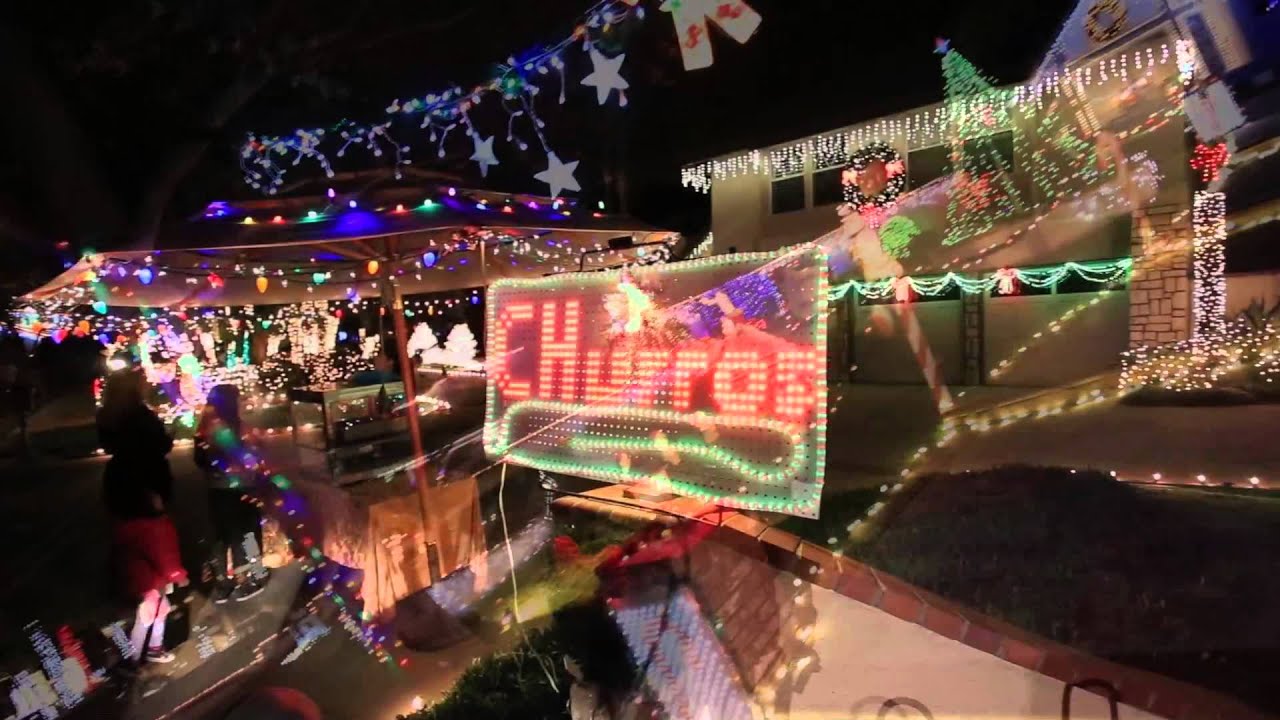
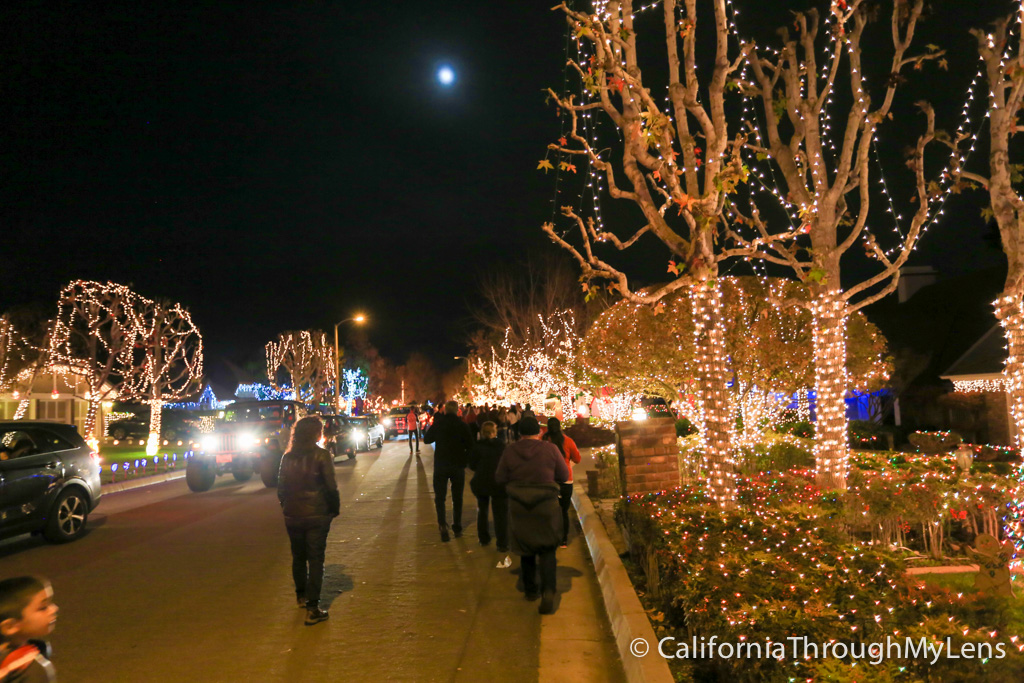
Time-Lapse: Record the transformation of the street during holiday decorations or sunset transitions for dynamic footage.
Editing Recommendations:
Color Grading: Use warm tones (oranges, golds) to evoke a vintage feel, or cool tones (blues, greens) for a modern contrast.
Sharpness: Apply selective sharpening to textures like murals or signage to emphasize details.
Software: Adobe Lightroom for photo editing, and Premiere Pro or Final Cut Pro for video post-production.
Thoroughbred Street in Film, Television, and Media
Thoroughbred Street’s unique character has made it a sought-after backdrop for filmmakers and artists, cementing its place in popular culture. One of its most notable appearances is in the 2019 Netflix series The Ranch, where the street’s rustic charm and equestrian theme aligned perfectly with the show’s rural setting. Scenes featuring the street’s murals and storefronts were used to depict the fictional town of Haven Springs, adding authenticity to the production.
In music, the street has been immortalized in local artist collaborations, such as the song "Thoroughbred Dreams" by Rancho Cucamonga’s own indie band, The Hoofprints. The music video for the track features footage of the street’s murals and the Thoroughbred Brewing Company, blending equestrian imagery with modern music. Additionally, the street has been referenced in travel blogs and vlogs, including appearances on Roadtrippers and Cool Hunting, which highlight its artistic and cultural value.
For literature, Thoroughbred Street has inspired short stories and poetry, particularly in works by local authors like Sarah Martinez, whose collection "Hooves and Highway" weaves the street’s history into fictional narratives. These media appearances not only boost the street’s visibility but also reinforce its status as a cultural landmark.
Local Artists, Photographers, and Influencers Showcasing Thoroughbred Street
A community of local creators has played a pivotal role in amplifying Thoroughbred Street’s visual appeal. Below are notable figures and their contributions:
Photographers:
James Rivera: Known for his black-and-white street photography, Rivera’s work often captures the contrast between Thoroughbred Street’s modern businesses and its historical roots. His series "Hoofprints of Time" has been featured in Los Angeles Photography Magazine.
Maria Chen: A fine art photographer, Chen focuses on the street’s murals, using macro lenses to highlight intricate details in the artwork. Her portfolio includes collaborations with local artists to create limited-edition prints.
Street Artists and Muralists:
Rico "Rico the Riot" Rodriguez: A graffiti artist based in Rancho Cucamonga, Rodriguez contributed to the Seabiscuit mural, incorporating his signature style of bold outlines and vibrant colors. His work has been showcased in Street Art News.
Lena Park: A public art specialist, Park designed the Thoroughbred Street Sign Monument, blending functional design with cultural symbolism. Her projects have been recognized by the American Institute of Architects (AIA).
Influencers and Content Creators:
@ThoroughbredStreetExplorer (Instagram): A local influencer who documents the street’s seasonal transformations, from holiday light displays to harvest festivals. Their content has garnered over 50,000 followers and collaborations with tourism boards.
The Rancho Roamer (YouTube): A travel vlogger who produces 360-degree videos
Thoroughbred Street in Rancho Cucamonga is more than a destination—it is a dynamic ecosystem where history, commerce, and culture intersect in unexpected ways. From its deep-rooted equestrian traditions to its role as an economic engine and community anchor, the street embodies the spirit of Southern California’s evolution. As it looks toward the future, innovations in sustainability, tourism, and urban development promise to redefine its legacy, ensuring that Thoroughbred Street remains a beacon for locals and visitors alike. For those who venture beyond its well-known landmarks, the street’s true magic lies in its ability to surprise, inspire, and unite generations through shared experiences.

Leave a Comment
Comments are moderated before appearing. The data you submit is processed according to the Privacy Policy of Refer.