dontbreathe2016movie masterpiece horror crafting fear
Table of Contents
- From Short Film to Nightmare: The Evolution of Don’t Breathe (2016) into a Horror Masterpiece
- Origins as a Short Film and the Shift to Feature-Length Production
- Development Challenges: Budget Constraints and Creative Hurdles
- Timeline of Key Production Milestones
- Behind-the-Scenes Struggles: The Physical and Psychological Demands of Filming
- Comparative Analysis: Short Film vs. Feature-Length Execution
- Lesser-Known Facts About the Film’s Character Deep Dive: The Protagonists and Their Psychological Journeys in Don’t Breathe (2016) Don’t Breathe (2016) transcends the typical slasher narrative by anchoring its terror in the psychological fragility and adaptive resilience of its three blind protagonists—Stephen, Rocky, and Montana. Their disabilities, far from rendering them passive victims, become the cornerstone of their survival strategies, subverting conventional horror tropes that often depict disabled characters as easy prey. The film’s brilliance lies in its portrayal of blindness not as a limitation but as an enhanced sensory perception, forcing audiences to confront the nuances of disability representation in cinema. Through their distinct character arcs, the protagonists embody themes of trust, vulnerability, and the brutal calculus of human survival, all while navigating the claustrophobic nightmare of their own home invasion. The film’s exploration of disability as an asset rather than a liability challenges audiences to reconsider how marginalized bodies are perceived in horror. Stephen, Rocky, and Montana’s conditions—each with its own psychological and physical implications—shape their interactions, decision-making, and ultimate survival. Their disabilities are not pitied but weaponized, turning their heightened senses into tools for outmaneuvering their predator. The dynamic between Stephen and Rocky, in particular, reveals a friendship built on mutual dependence yet fraught with tension, reflecting the complexities of trust under extreme duress. Meanwhile, Montana’s solitary resilience underscores the film’s broader commentary on isolation and self-reliance. Flaws, Motivations, and the Survival Instincts Shaped by Disability
- Subverting Horror Tropes: Disability as an Asset
- The Dynamic Between Stephen and Rocky: Friendship, Trust, and Evolution Under Pressure
- Pivotal Scene: Montana’s Use of Sound to Detect the Intruder’s Deception
- Symbolic Objects and Traits Associated with Each Protagonist
- The Antagonist: The Blind Man as a Master of Psychological Terror in Don’t Breathe (2016)
- Blindness as a Weapon: Physical and Metaphorical Disability Turned Deadly Advantage
- Sound, Silence, and Tactile Horror: The Auditory and Physical Landscape of Fear
- Hunting Techniques: A Step-by-Step Breakdown of Manipulation and Psychological Warfare
- Backstory Through Subtext: Motivations Without Exposition
- Atmosphere and Setting: Architectural Terror in Don’t Breathe (2016)
- Confined Spaces as Psychological Mirrors
- Visual and Auditory Techniques for Unease
- Minimalist Score and Ambient Sound Design
- Themes and Social Commentary: Disability, Power, and Survival in Don’t Breathe (2016)
- Disability as Empowerment: Rewriting the Rules of Horror
- Challenging Societal Perceptions of Disability in Horror
- Power Dynamics: From Victimhood to Agency
- Ambiguous Morality: The Ending’s Reinforcement of Themes
- Venn Diagram: Protagonists’ Disabilities vs. Societal Disabilities
- Real-World Parallels: Disability, Survival, and Horror in Marginalized Communities
- Legacy and Influence: Why Don’t Breathe Resonated with Audiences and Critics
- Impact on Modern Horror: Films and Shows Directly Influenced by Don’t Breathe
- Critical Reception: Praise for Originality and Criticisms of Execution
- Awards, Nominations, and Accolades
- Low-Budget Marketing and Word-of-Mouth Growth
From a gritty 2014 short film to a cult horror sensation, Don’t Breathe (2016) redefined modern terror with razor-sharp storytelling and unflinching realism. Directed by Rodrigo Cortés after Fede Álvarez’s departure, the movie transformed from a high-concept thriller into a low-budget nightmare—one where blindness became both a weapon and a metaphor for predatory power. Budget constraints and creative hurdles forced filmmakers to innovate, turning limitations into strengths through improvisation, practical effects, and psychological tension that lingers long after the credits roll.
The film’s three disabled protagonists—Stephen, Rocky, and Montana—challenge horror tropes by turning their vulnerabilities into survival tools, while Stephen Lang’s chilling performance as the blind antagonist elevates the movie beyond generic slasher territory. Confined to a decaying house where every shadow hides a threat, Don’t Breathe weaponizes sound, silence, and space to create an atmosphere so immersive it feels like an invasion of privacy. Its themes of disability, power, and moral ambiguity resonate deeply, making it a rare horror film that critiques society as much as it terrorizes.

From Short Film to Nightmare: The Evolution of Don’t Breathe (2016) into a Horror Masterpiece
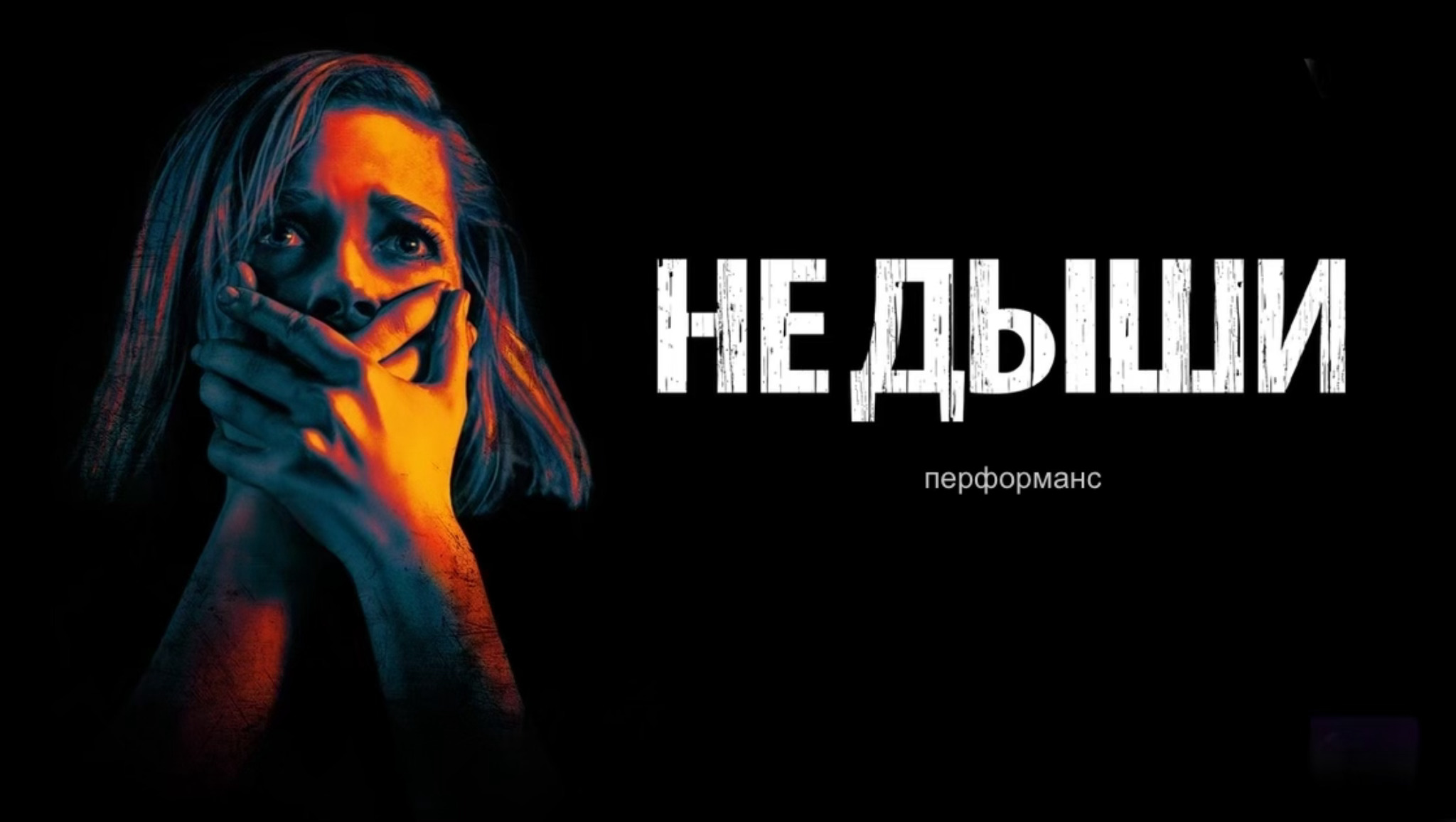
The 2016 psychological horror film Don’t Breathe emerged as a product of creative persistence, budgetary ingenuity, and a willingness to embrace risk. Originally conceived as a low-budget short film titled Don’t Breathe (2014), the project underwent a dramatic transformation—shifting from a high-concept thriller to a claustrophobic, character-driven horror experience. Its journey reflects the filmmaking process at its most raw, where limitations became the driving force behind its intensity. The film’s development was marked by financial constraints, casting challenges, and a deliberate shift in creative direction, ultimately resulting in a movie that redefined modern horror through its unflinching realism and visceral storytelling.
The transition from short to feature-length film was not without obstacles. Early drafts of the script faced multiple revisions, with the tone and structure evolving significantly. Initially, the project was attached to director Fede Álvarez (Evil Dead, Machete), who envisioned a different approach, but creative differences and logistical hurdles led to his departure. The project was then handed to Spanish director Rodo Sayagues, who brought a more grounded, atmospheric vision to the material. This shift aligned the film with its eventual success, emphasizing tension, character dynamics, and psychological horror over broad supernatural elements.
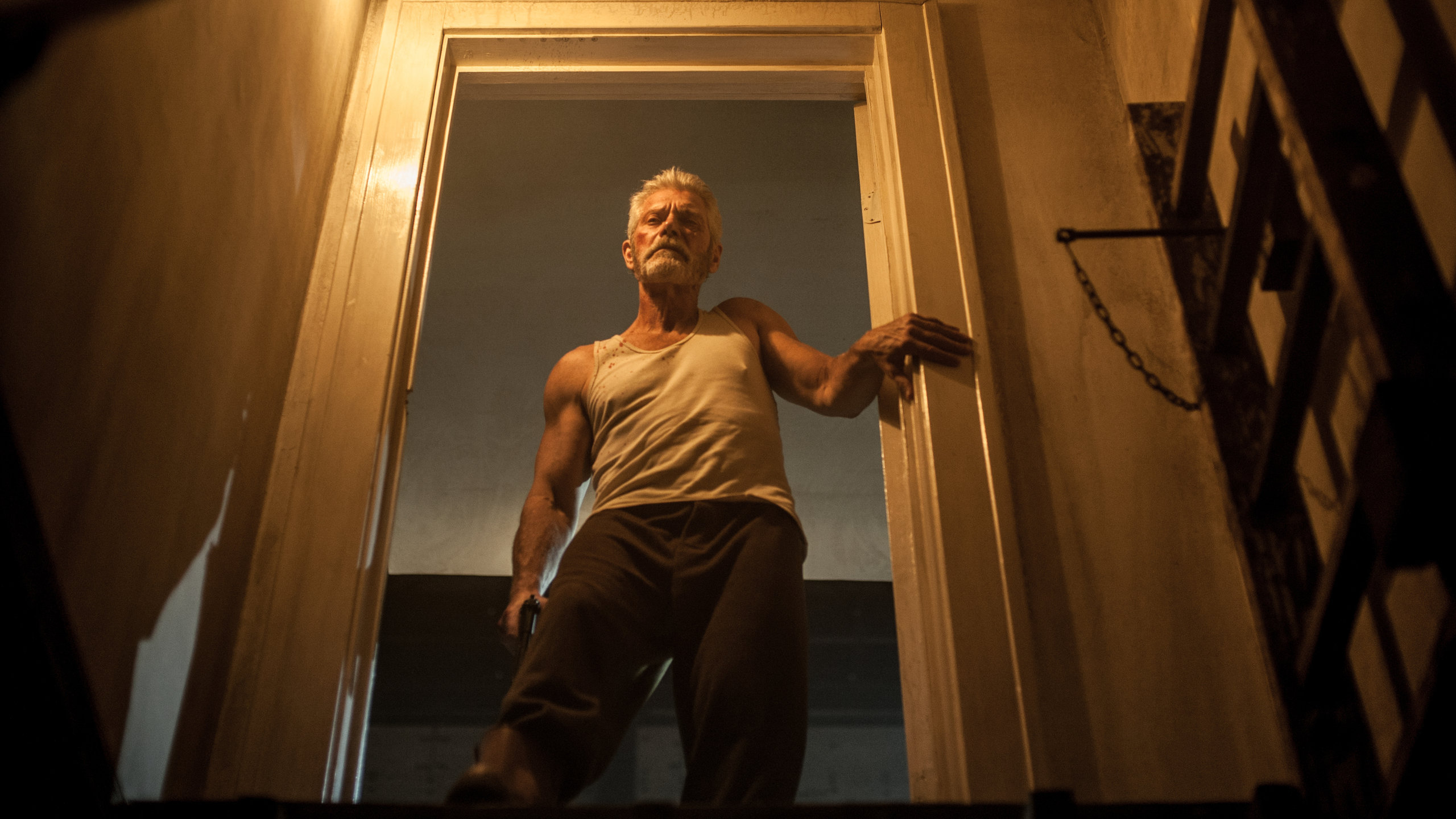
Origins as a Short Film and the Shift to Feature-Length Production
The roots of Don’t Breathe trace back to a 2014 short film of the same name, directed by Alex Russell and written by Russell and Henry Gayden. The short, produced on a shoestring budget of around $5,000, served as a proof-of-concept for the feature-length adaptation. It introduced the core premise—a blind man preying on three home-invading teenagers—but lacked the depth and character development that would define the final film. The short’s success in festivals and among horror enthusiasts demonstrated market potential, prompting the team to pursue a feature adaptation.
The decision to expand the project into a full-length film presented immediate challenges. The original script, while effective in its brevity, required substantial revisions to sustain tension over a longer runtime. Key adjustments included deepening the characters’ backstories, refining the antagonist’s motivations, and enhancing the film’s atmospheric dread. The shift from a high-concept thriller to a low-budget horror was intentional, as the filmmakers sought to create a more intimate and immersive experience. This pivot allowed them to focus on practical effects, tight framing, and minimalist storytelling—elements that would later become hallmarks of the film’s success.
"We wanted to make a film that felt real, not just in terms of its setting, but in the emotional stakes for the characters. The more we cut back on spectacle, the more terrifying it became." —Alex Russell, Co-Writer/Director (Short Film)
Development Challenges: Budget Constraints and Creative Hurdles
One of the most significant obstacles in bringing Don’t Breathe to life was its minimal budget, estimated at around $1.2 million—a fraction of typical horror film budgets. These financial limitations necessitated creative solutions, from improvisation to practical effects. The filmmakers relied heavily on location shooting, using a single, confined house to amplify the claustrophobic tension. This decision not only reduced costs but also intensified the psychological impact, as the audience shared the characters’ trapped perspective.
Casting proved another hurdle. Early auditions for the lead role of the blind predator, played by Stephen Lang, required actors who could convey menace without relying on visual cues. Lang’s casting was pivotal; his ability to project threat through voice and presence alone became a cornerstone of the film’s horror. The supporting cast, including Daniel Zovatto and Jane Levy, underwent rigorous preparation to ensure their performances felt authentic and emotionally compelling. The actors were encouraged to improvise dialogue and reactions, adding layers of realism to their characters’ interactions.
The film’s shift from a high-concept thriller to a grounded horror experience also posed challenges. Early drafts included more overt supernatural elements, but these were stripped away in favor of a more realistic, character-driven narrative. This transition required rewriting key scenes to emphasize psychological tension over jump scares or elaborate set pieces. The result was a film that thrived on atmosphere, dialogue, and the slow unraveling of its characters’ fates.
Timeline of Key Production Milestones
The development and production of Don’t Breathe followed a non-linear path, marked by pivotal decisions and creative pivots:
- 2014: Release of the short film Don’t Breathe, which establishes the core premise and attracts attention from potential financiers. - 2014–2015: Multiple script revisions, with early involvement from Fede Álvarez, who envisioned a different tone and structure. Creative differences lead to his departure. - 2015: Rodo Sayagues is brought on board to direct, shifting the film’s focus toward psychological horror and realism. - 2015 (Summer): Principal photography begins in Los Angeles, with the film shot entirely in a single, confined house to maintain budget and amplify tension. - 2015 (Fall): Post-production challenges arise, including sound design and editing decisions to enhance the film’s claustrophobic atmosphere. - 2016 (January): The film premieres at the Sundance Film Festival, where it receives critical acclaim and secures distribution deals. - 2016 (October): Official theatrical release in the U.S., followed by a strong word-of-mouth response and eventual box office success.
The film’s release at Sundance was a turning point, validating the team’s creative choices and paving the way for wider distribution. Its success demonstrated that horror films could thrive on minimal budgets, provided they delivered authentic performances and immersive storytelling.
Behind-the-Scenes Struggles: The Physical and Psychological Demands of Filming
Filming Don’t Breathe in a confined space presented unique challenges for the cast and crew. The actors were required to spend extended periods in tight quarters, often without natural light or ventilation, to maintain the film’s oppressive atmosphere. This environment took a toll on their physical and mental stamina, with some crew members reporting exhaustion and stress due to the grueling schedule.
Stephen Lang, in particular, faced significant demands as the film’s antagonist. His role required him to remain in character for long hours, delivering lines with a menacing tone while navigating the darkness of the house. The lack of visual cues meant his performance had to rely entirely on voice modulation and physical presence. For the younger cast members, playing the trapped teenagers added layers of psychological tension, as they had to convey fear and desperation without resorting to overt melodrama.
The crew also employed practical effects to heighten realism. For instance, the film’s limited use of CGI allowed for more immersive, tactile experiences, such as the sound of footsteps or the feel of a knife slicing through fabric. These choices were deliberate, ensuring that the horror felt visceral and immediate. The film’s sound design, which included minimal music and maximal ambient noise, further contributed to its unsettling atmosphere.
Comparative Analysis: Short Film vs. Feature-Length Execution
The evolution from the 2014 short film to the 2016 feature-length Don’t Breathe involved significant changes in tone, setting, and thematic depth. Below is a comparative table highlighting key differences:
| Aspect | 2014 Short Film | 2016 Feature Film | Key Evolution |
|---|---|---|---|
| Tone | Minimalist, tense, but lacking character development | Psychological, atmospheric, character-driven | The feature expanded emotional stakes, making the horror more personal and layered. |
| Setting | Single room, limited locations | Confined house with multiple interconnected spaces | The expanded setting allowed for greater claustrophobic tension and strategic pacing. |
| Themes | Survival, blind rage | Fear, morality, the cost of desperation | The feature introduced moral ambiguity and deeper character arcs, making the horror more complex. |
| Pacing | Fast, with a focus on the central confrontation | Slow-burn, emphasizing tension and psychological buildup | The longer runtime allowed for gradual character unraveling and heightened suspense. |
This comparative analysis underscores how the feature-length adaptation transformed the original premise into a fully realized horror experience, leveraging its constraints to create something far more impactful.
Lesser-Known Facts About the Film’s
Character Deep Dive: The Protagonists and Their Psychological Journeys in Don’t Breathe (2016)
Don’t Breathe (2016) transcends the typical slasher narrative by anchoring its terror in the psychological fragility and adaptive resilience of its three blind protagonists—Stephen, Rocky, and Montana. Their disabilities, far from rendering them passive victims, become the cornerstone of their survival strategies, subverting conventional horror tropes that often depict disabled characters as easy prey. The film’s brilliance lies in its portrayal of blindness not as a limitation but as an enhanced sensory perception, forcing audiences to confront the nuances of disability representation in cinema. Through their distinct character arcs, the protagonists embody themes of trust, vulnerability, and the brutal calculus of human survival, all while navigating the claustrophobic nightmare of their own home invasion.
The film’s exploration of disability as an asset rather than a liability challenges audiences to reconsider how marginalized bodies are perceived in horror. Stephen, Rocky, and Montana’s conditions—each with its own psychological and physical implications—shape their interactions, decision-making, and ultimate survival. Their disabilities are not pitied but weaponized, turning their heightened senses into tools for outmaneuvering their predator. The dynamic between Stephen and Rocky, in particular, reveals a friendship built on mutual dependence yet fraught with tension, reflecting the complexities of trust under extreme duress. Meanwhile, Montana’s solitary resilience underscores the film’s broader commentary on isolation and self-reliance.
Flaws, Motivations, and the Survival Instincts Shaped by Disability
The protagonists of Don’t Breathe are defined by their flaws, which, in turn, drive their motivations and survival instincts. Stephen, the eldest and most pragmatic of the trio, is haunted by a deep-seated guilt over his past actions, particularly his failure to protect his late mother from her abusive husband. This guilt manifests as a hyper-vigilance that borders on paranoia, making him both a leader and a liability. His motivation to survive is not merely self-preservation but a desperate attempt to atone for his perceived failures. Rocky, though physically stronger, struggles with impulsivity and a short temper, traits that often lead him into dangerous situations. His disability—being blind since birth—has made him overly reliant on touch and sound, but it has also left him emotionally guarded, fearing vulnerability in a world that has already taken much from him. Montana, the youngest and most emotionally volatile, grapples with a deep-seated anger toward the world, stemming from her childhood trauma and the loss of her sight. Her survival instincts are rooted in a primal need to protect herself, often at the expense of her companions.
Their disabilities are not merely backstories but active forces in their psychological journeys. Stephen’s blindness, for instance, sharpens his hearing and memory, allowing him to recall minute details of their environment that others might overlook. Rocky’s physical strength, honed through years of adaptive sports, becomes a double-edged sword—capable of both subduing threats and accidentally escalating them. Montana’s emotional intensity, while making her unpredictable, also makes her the first to detect deception, a skill that proves critical in their battle against the intruder. The film’s genius lies in its refusal to romanticize their conditions; instead, it presents them as complex, often contradictory traits that shape their survival strategies in unpredictable ways.
Subverting Horror Tropes: Disability as an Asset
Don’t Breathe deliberately flips the script on horror tropes that often depict disabled characters as easy targets. In most slasher films, disabilities are framed as vulnerabilities—characters are killed off quickly, their conditions serving as a narrative shortcut to their demise. However, this film recontextualizes blindness as a superpower, leveraging the protagonists’ heightened senses to outmaneuver their antagonist. For example, when Stephen uses his echolocation skills to navigate the dark house, he doesn’t stumble blindly; instead, he moves with a precision that unnerves the intruder, who is forced to adapt to a predator who sees through sound. Similarly, Rocky’s ability to sense vibrations allows him to detect the intruder’s movements before they are visible, turning the tables on the traditional horror dynamic where the victim is at a disadvantage.
One of the most striking scenes occurs when Stephen and Rocky use their knowledge of the house’s layout—memorialized through tactile memory—to set a trap for the intruder. Rocky, despite his initial reluctance to trust Stephen’s plan, ultimately relies on his partner’s expertise, demonstrating how their disabilities complement rather than hinder each other. This subversion extends to Montana as well; her emotional intuition allows her to read the intruder’s intentions before they are explicitly revealed, making her an invaluable asset in their fight for survival.
The film’s refusal to treat its protagonists as passive victims is a deliberate choice, challenging audiences to reconsider how disability is portrayed in horror. By framing their conditions as strengths, Don’t Breathe forces viewers to engage with the idea that marginalized bodies are not inherently weaker but may possess unique advantages in the right circumstances.
The Dynamic Between Stephen and Rocky: Friendship, Trust, and Evolution Under Pressure
The relationship between Stephen and Rocky is the emotional core of Don’t Breathe, evolving from a cautious partnership to a fragile but indispensable bond. Their dynamic is built on a foundation of mutual dependence, yet it is also fraught with tension stemming from trust issues and differing survival strategies. Stephen, the de facto leader, often relies on logic and planning, while Rocky’s impulsive nature leads him to act on instinct. This contrast creates friction, particularly when Rocky’s actions threaten the group’s safety, as seen when he nearly gives away their position by shouting in frustration. However, their bond deepens as they realize that their differences are also their greatest strengths. Stephen’s strategic mind balances Rocky’s physical prowess, and Rocky’s raw instinct complements Stephen’s calculated approach.
Their trust is tested repeatedly throughout the film, most notably when Rocky accuses Stephen of withholding information about the intruder’s movements. This moment of betrayal forces them to confront their own insecurities—Stephen’s fear of failure and Rocky’s fear of being left behind. The resolution of their conflict comes when they combine their skills to outsmart the intruder, proving that their survival depends on their ability to trust each other despite their flaws.
The evolution of their friendship mirrors the film’s broader themes of resilience and adaptation. Under the pressure of their shared nightmare, they learn to rely on each other not in spite of their differences but because of them. This dynamic is a rare and refreshing portrayal of disability in cinema, where the characters’ conditions are not obstacles to overcome but integral parts of their identities.
Pivotal Scene: Montana’s Use of Sound to Detect the Intruder’s Deception
One of the most pivotal moments in the film occurs when Montana, using her heightened sense of hearing, detects a subtle inconsistency in the intruder’s movements. In a tense exchange, she realizes that the intruder is not as confident as he pretends to be, his footsteps betraying a momentary hesitation. This scene is critical because it demonstrates how Montana’s disability becomes a tool for survival, allowing her to perceive truths that others might miss.
"You’re not as sure of yourself as you sound. There’s a waver in your step, like you’re second-guessing something."
—Montana, exposing the intruder’s uncertainty through auditory cues.
This moment underscores the film’s theme of vulnerability as strength. Montana’s ability to interpret sound as a language of deception gives her an edge, forcing the intruder to adapt to a predator who operates on a different sensory plane. The intruder, who initially assumes their blindness makes them easy prey, is instead confronted with a foe who can "see" through sound, turning the tables on his own tactics.
The impact of this scene on the plot is twofold: it shifts the power dynamic between the protagonists and antagonist, and it reinforces the idea that disability is not a limitation but a unique form of perception. By using Montana’s disability as a narrative device rather than a plot device, the film elevates its characters beyond clichés, offering a nuanced exploration of survival.
Symbolic Objects and Traits Associated with Each Protagonist
The symbolic objects and traits associated with Stephen, Rocky, and Montana serve as visual and thematic anchors in Don’t Breathe, reinforcing the film’s themes of vulnerability and resilience. These elements are not mere props but extensions of the characters’ psychological states, reflecting their struggles and adaptations.
For Stephen, the tactile map of the house represents his reliance on memory and precision. This map, created through years of touch and sound, symbolizes his need to control his environment—a coping mechanism born from his guilt over his mother’s death. His walking cane, though a practical tool, also serves as a metaphor for his leadership; it is both a support and a weapon, reflecting his dual role as protector and strategist. Additionally, his father’s voice recordings—which he plays to soothe himself—highlight his internal conflict, as the voice of the man he resents becomes a paradoxical source of comfort.
Rocky’s most significant symbolic trait is his physical strength, which he uses both to defend himself and to compensate for his emotional vulnerability
The Antagonist: The Blind Man as a Master of Psychological Terror in Don’t Breathe (2016)
Few antagonists in modern horror transcend their physical limitations to become symbols of primal fear as effectively as the Blind Man in Don’t Breathe (2016). Played by Stephen Lang, this character redefines the "blind predator" trope by weaponizing his sensory deprivation into an unnerving advantage. His presence in the film is a masterclass in psychological horror, where the absence of sight becomes a tool for heightened perception, manipulation, and terror. The film leverages sound design, silence, and tactile horror to create an atmosphere where the audience’s fear is as much about what they cannot see as what they do. Through meticulous hunting techniques and a backstory hinted at through subtle cues, the Blind Man evolves from a one-dimensional villain into a complex figure whose motivations are as disturbing as his actions.
Blindness as a Weapon: Physical and Metaphorical Disability Turned Deadly Advantage
The Blind Man’s blindness is not merely a plot device but a core element of his character, functioning as both a physical and metaphorical weapon. Physically, his lack of vision forces him to rely on heightened auditory and tactile senses, making him hyper-aware of his surroundings. This sensory compensation transforms his disability into an asset, allowing him to detect the faintest sounds—footsteps, breathing, or the creak of a floorboard—with almost supernatural precision. The film emphasizes this through sound design, where ambient noises (like the distant hum of a refrigerator or the rustle of fabric) become auditory breadcrumbs for the Blind Man, while the characters’ reliance on visual cues makes them vulnerable.
Metaphorically, his blindness represents a form of existential detachment. He operates outside the constraints of sight, which the protagonists (Rocky, Duffy, and Stephen) use to navigate the world. This detachment manifests in his emotional detachment—he does not see his victims as people but as obstacles to be eliminated. His famous line, "You’re not the first people who’ve tried to steal from me," underscores this detachment, framing his actions as a matter of survival rather than malice. The film subtly suggests that his blindness has isolated him, making him both predator and victim of circumstance. His home, a fortress of booby traps and sensory disorientation, reflects this duality: it is both a sanctuary and a prison, where his disability is both his greatest weakness and his most potent weapon.
Sound, Silence, and Tactile Horror: The Auditory and Physical Landscape of Fear
Don’t Breathe exploits the auditory and tactile senses to create an immersive horror experience, where the absence of visual stimuli forces the audience (and characters) to rely on sound and touch. The film’s sound design is meticulously crafted to build tension, using silence as a weapon. For example, during the scene where Rocky explores the Blind Man’s home, the absence of sound—broken only by the protagonist’s labored breathing—heightens the sense of isolation and vulnerability. The Blind Man, meanwhile, uses controlled silence to mask his movements, moving through the house like a ghost, his presence announced only by the faintest creaks or the shift of air.
Key scenes demonstrate this mastery:
Hunting Techniques: A Step-by-Step Breakdown of Manipulation and Psychological Warfare
The Blind Man’s hunting techniques are a systematic blend of misdirection, psychological manipulation, and environmental control. His methods can be broken down into three phases: Observation, Disorientation, and Elimination. Each phase is designed to exploit the protagonists’ reliance on sight and their underestimation of his capabilities.-
Observation: The Art of Invisibility
The Blind Man operates under the assumption that his blindness makes him invisible to others. He moves through the house with unnatural silence, using the protagonists’ noise pollution (loud conversations, clanging objects) to mask his approach. His lack of visual dependence allows him to exploit their overconfidence—they assume he cannot see them, so they underestimate his awareness of their location.
- Example: When Rocky first enters the house, he assumes the Blind Man is asleep. The audience, however, hears the faint creak of the recliner and the shift of fabric, signaling the Blind Man’s awareness.
- Tactic: He listens for patterns in their behavior, such as their breathing rhythms or footsteps, to predict their movements.
-
Disorientation: Turning the House Against Them
The Blind Man’s home is a labyrinth of sensory traps, designed to confuse and exhaust his victims. He uses sound, texture, and temperature to disorient them:
- Sound Misdirection: He turns on radios or televisions to mask his movements or create false auditory cues (e.g., the sound of a door closing when he is already behind them).
- Tactile Traps: Sticky floors, hidden wires, and sharp objects force the protagonists to rely on touch, making them slower and more vulnerable.
- Environmental Control: He manipulates lighting (e.g., turning off lights suddenly) to disrupt their visual reliance and force them into a state of heightened alertness.
-
Elimination: Psychological Breaking Before Physical Attack
The Blind Man’s goal is not just to kill his victims but to break them psychologically first. He uses gaslighting, isolation, and sensory deprivation to erode their confidence:
- Gaslighting: He denies their reality, telling Stephen that he is not blind ("I can see you") to confuse and unnerve him.
- Isolation: By cutting off their means of escape (e.g., disabling phones, locking doors), he ensures they have no allies or resources.
- Sensory Deprivation: He strips them of their last senses (e.g., forcing Stephen to listen to his own breathing) to induce paranoia and helplessness.
Backstory Through Subtext: Motivations Without Exposition
The Blind Man’s backstory is never explicitly stated, yet it is hinted at through dialogue, visual cues, and environmental details. This subtextual storytelling adds depth to his character without relying on exposition, making his motivations feel organic and terrifying. Key clues include:Atmosphere and Setting: Architectural Terror in Don’t Breathe (2016)
The abandoned house in Don’t Breathe is not merely a backdrop but an active participant in the film’s psychological horror, meticulously designed to mirror the protagonists’ deteriorating mental states. Director Fede Álvarez and cinematographer Oscar Pearce leverage the confined space of the decaying home to transform physical constraints into emotional suffocation, creating an atmosphere where every creak, shadow, and hidden passage amplifies dread. Unlike traditional horror settings that rely on vast, unknown expanses (e.g., forests or highways), Don’t Breathe weaponizes claustrophobia through a labyrinthine house—its crumbling walls, labyrinthine corridors, and symbolic rooms become extensions of the characters’ paranoia, isolation, and moral decay. This approach distinguishes it from films like The Descent (2005), which uses vertical confinement to evoke helplessness, or Cube (1997), where the maze-like structure reflects bureaucratic entrapment. Instead, Don’t Breathe’s house is a character in itself, its layout and sensory details meticulously crafted to immerse the audience in a nightmare where escape is as illusory as trust.Confined Spaces as Psychological Mirrors
The house’s claustrophobic design serves as a literal and metaphorical prison for its inhabitants, reflecting their psychological unraveling. The protagonists—Rocky, Steve, and Amy—enter the home seeking refuge, only to find that the space itself becomes a predator. The basement, where the blind man, Norman, resides, is a subterranean purgatory: damp, airless, and filled with the stench of decay. This environment mirrors the trio’s descent into desperation and moral compromise, as the basement’s darkness and isolation parallel their growing detachment from humanity. The house’s layout—narrow hallways, dead-end rooms, and hidden passages—mirrors the protagonists’ internal conflicts: their initial confidence in outsmarting Norman erodes as they realize the house is designed to disorient and punish intruders. For example, the booby-trapped attic, accessible only through a narrow staircase, symbolizes the characters’ self-imposed traps, such as Rocky’s guilt over his past actions or Amy’s naivety, which both lead to their downfall. The film’s use of space as a character is further emphasized through the house’s symbolic rooms:Visual and Auditory Techniques for Unease
Don’t Breathe’s mastery lies in its ability to create tension through subtle visual and auditory cues, avoiding reliance on jump scares or excessive gore. The film’s cinematography and sound design work in tandem to manipulate the audience’s perception of space and time, making the house feel alive with unseen threats. Below is a scene-by-scene breakdown of how lighting, shadows, and camera angles amplify fear, along with techniques for recreating these effects:| Visual Element | Emotional Effect |
|---|---|
| Low-Key Lighting The house is predominantly lit by flickering bulb lights, flashlights, or moonlight filtering through grimy windows. Key scenes, such as the opening sequence, use harsh shadows cast by single light sources (e.g., a flashlight beam cutting through darkness) to create a sense of isolation and paranoia. | Shadows obscure movement, making it difficult to distinguish between threats and innocuous objects. The contrast between light and dark forces the audience to question what lurks in the unseen areas, amplifying the protagonists’ fear of the unknown. |
| Dutch Angles and Unstable Framing Camera tilts and off-kilter shots are used during moments of tension, such as when Steve is chased through the hallway or when Rocky explores the attic. These angles create disorientation, mirroring the characters’ loss of control and the house’s destabilizing influence. | The instability of the frame triggers a subconscious unease, as if the audience is physically unbalanced alongside the characters. This technique heightens the sense of impending danger, making the audience anticipate violence. |
| Extreme Close-Ups of Textures Close-ups of peeling wallpaper, rusted pipes, and cobwebs emphasize the house’s decay. The texture of Norman’s skin, revealed in brief flashes, is deliberately rough and disconcerting, contrasting with the smoothness of the protagonists’ faces. | These textures evoke a sense of tactile dread, making the audience feel the house’s oppressive atmosphere. The contrast between the characters’ cleanliness and the house’s filth underscores their contamination by the environment. |
| Reflections and Mirrors Mirrors and reflective surfaces, such as the bathroom mirror or the cellar’s rusted metal, are used to create fragmented, distorted images. Norman’s reflection is never fully shown, adding to his enigmatic presence. | Mirrors become sites of psychological horror, where the characters see distorted versions of themselves or glimpses of Norman. This technique reinforces themes of identity and self-deception, as the protagonists question their own sanity. |
| Slow Zoom-In on Threats Instead of sudden cuts to Norman, the film often uses slow zooms or pans to reveal his presence, such as during the dinner scene where his hand suddenly grips Steve’s shoulder. The delay in revealing the threat heightens anticipation. | The slow reveal forces the audience to engage in a cat-and-mouse game, making them complicit in the characters’ fear. The tension builds as the audience waits for the inevitable confrontation. |
Minimalist Score and Ambient Sound Design
Don’t Breathe’s sound design is a masterclass in atmospheric horror, relying on ambient noise and a minimalist score to build tension without overpowering dialogue or action. Composer Fernando Velázquez crafts a score that is almost subliminal, using low-frequency drones, distorted strings, and eerie silence to create a sense of impending doom. Unlike traditional horror scores that rely on crescendos or thematic leitmotifs, Velázquez’s music is textural and immersive, blending seamlessly with the house’s natural sounds. Key elements include:Themes and Social Commentary: Disability, Power, and Survival in Don’t Breathe (2016)
Don’t Breathe (2016) transcends conventional horror tropes by weaving a narrative where disability is not merely a plot device but a cornerstone of empowerment and survival. The film challenges audiences to confront societal perceptions of disability—particularly in horror—while dissecting power dynamics through the lens of vulnerability and agency. Through its protagonists, director Fede Álvarez crafts a story where physical limitations become psychological assets, subverting expectations of helplessness. The film’s commentary extends beyond the screen, mirroring real-world struggles of marginalized communities, where systemic barriers often dictate narratives of victimhood. The ambiguous ending further complicates these themes, forcing viewers to grapple with the moral ambiguities of survival, justice, and humanity.Disability as Empowerment: Rewriting the Rules of Horror
In Don’t Breathe, the protagonists’ disabilities—Ricky’s blindness, Stephen’s deafness, and Marcus’s cerebral palsy—are not obstacles but tools that redefine their interactions with the world. The film’s most striking example is Ricky’s blindness, which paradoxically enhances his survival instincts. His reliance on sound and touch heightens his perception of danger, allowing him to navigate the blind man’s home with eerie precision. When he uses a vibrating phone to locate the antagonist, it symbolizes how disability can transform into a superhuman ability in extreme circumstances. Similarly, Stephen’s deafness becomes an advantage during the climactic confrontation, as he relies on visual cues and physical agility to outmaneuver his pursuer. The film’s portrayal of these characters defies the horror genre’s tendency to frame disability as a weakness, instead framing it as a form of heightened sensory awareness. The film’s subversion of disability tropes is further evident in Marcus’s cerebral palsy, which initially positions him as the most vulnerable. However, his condition forces him to adapt in ways that expose the antagonist’s underestimation of his intelligence and resilience. When Marcus uses a wheelchair to disable the blind man’s security system, his physical limitations become a strategic asset, turning a perceived liability into a tactical advantage. These moments underscore the film’s central thesis: disability is not a barrier but a unique lens through which to perceive and exploit one’s environment.Challenging Societal Perceptions of Disability in Horror
Horror films rarely explore disability beyond superficial or exploitative representations, often reducing disabled characters to victims or monsters. Don’t Breathe dismantles this trope by presenting its disabled protagonists as active agents in their survival, rather than passive targets. The blind man, traditionally a symbol of fear in horror (e.g., The Blind Dead), is reimagined as a master manipulator whose disability is both his weapon and his greatest vulnerability. His reliance on sound makes him hyper-aware of his surroundings, yet his inability to see creates blind spots—literally and metaphorically—that the protagonists exploit. The film’s commentary extends to societal stigma, particularly the assumption that disability equates to helplessness. When the blind man taunts the protagonists with phrases like “You think I’m weak?”, he challenges the audience to reconsider preconceived notions. This mirrors real-world narratives where disabled individuals are often dismissed as incapable, only to prove their resilience in adversity. For instance, disabled athletes in the Paralympics or activists in the disability rights movement frequently face skepticism before achieving remarkable feats, much like the protagonists in Don’t Breathe.Power Dynamics: From Victimhood to Agency
The film’s exploration of power dynamics is most evident in the protagonists’ shift from vulnerability to dominance. Initially, they are framed as intruders—desperate, hungry, and morally ambiguous—yet their disabilities force them to adapt and reclaim agency. Ricky’s blindness, for example, inverts the power dynamic when he outsmarts the blind man by using his own sensory limitations against him. The scene where Ricky mimics the blind man’s movements to predict his actions highlights how disability can level the playing field in a high-stakes confrontation. Similarly, the film critiques systemic power structures by exposing how marginalized groups—whether due to disability, poverty, or social exclusion—are often forced into survival modes. The protagonists’ desperation to steal medicine mirrors real-world struggles of disabled individuals facing economic barriers to healthcare. The blind man’s hoarding of resources (medicine, food) reflects systemic hoarding of power, where privilege dictates access to basic necessities. By the film’s end, the protagonists’ survival comes at the cost of moral compromise, reinforcing the theme that power in oppressive systems is often zero-sum.Ambiguous Morality: The Ending’s Reinforcement of Themes
The film’s ambiguous ending—where the blind man’s fate remains uncertain—serves as a microcosm of its thematic complexity. The protagonists escape with stolen medicine, but the blind man’s final act of sacrificing himself to ensure their survival complicates their victory. This moment forces the audience to question:“Is survival justified if it requires complicity in another’s suffering?”The ending refuses to provide easy answers, instead mirroring real-world dilemmas where marginalized groups must navigate ethical trade-offs to achieve justice. It also underscores the film’s critique of power and morality: the protagonists’ disabilities made them vulnerable, but their agency in survival also made them complicit in the blind man’s downfall. This duality reflects broader societal struggles, where disability rights movements often demand both justice and ethical compromise from systems designed to exclude them.
Venn Diagram: Protagonists’ Disabilities vs. Societal Disabilities
The following text-based Venn diagram illustrates the parallels between the protagonists’ physical disabilities and broader societal disabilities (economic, social, systemic): [PROTAGONISTS’ DISABILITIES] | Physical Limitations | | Heightened Sensory Awareness| | Underestimation by Antagonists| | Forced Adaptation | | Strategic Use of Limitations| \ / \ / | SOCIETAL DISABILITIES | | Economic Barriers | | Social Exclusion | | Systemic Discrimination | | Forced Resilience | | Moral Ambiguity in Survival| | Shared Themes: | | - Agency in Adversity | | - Exploitation of Weakness| | - Moral Complexity | Key Overlaps:Real-World Parallels: Disability, Survival, and Horror in Marginalized Communities
The themes of Don’t Breathe resonate with real-world stories where disability intersects with systemic oppression and resilience. Below are recognizable parallels:- Medical Neglect and Desperation:
- Film Parallel: The protagonists’ theft of medicine reflects global healthcare disparities, where disabled individuals in low-income countries often lack access to basic treatments.
- Real-World Example: In India and sub-Saharan Africa, disabled individuals frequently face denial of medical care due to stigma or cost, mirroring the blind man’s hoarded supplies.
- Disability as a Tool for Justice:
- Film Parallel: The protagonists’ disabilities become weapons of survival, subverting their perceived weaknesses.
- Real-World Example: Disability rights activists like Judy Heumann (who used a wheelchair to challenge segregation) or Harriet McBryde Johnson (who exposed eugenics arguments) weaponized their conditions to advocate for systemic change.
- Horror in Marginalized Communities:
- Film Parallel: The blind man’s home is a metaphor for oppressive systems, where vulnerability is both a curse and a survival tactic.
- Real-World Example: Disabled women in horror media (e.g., The Handmaid’s Tale’s disabled characters) often face double marginalization, reflecting how Don’t Breathe’s protagonists
- The Invisible Man (2020) Comparison: While The Invisible Man relies on supernatural horror, its use of a relentless, unseen antagonist who manipulates the protagonist’s environment mirrors Don’t Breathe’s reliance on psychological manipulation. Both films employ sound design and silence as tools of terror, though The Invisible Man escalates the threat with invisible forces rather than a physically disabled villain. Key Influence: The cat-and-mouse dynamic between victim and predator, where the audience’s fear is tied to the protagonist’s inability to see the threat.
- Host (2020) Comparison: Host shares Don’t Breathe’s premise of a home invasion with a disabled antagonist (a mute man with a prosthetic arm), though it shifts the focus to a family’s survival. The film’s tension arises from the protagonist’s underestimation of the invader, a trope Don’t Breathe perfected. Key Influence: The subversion of the "disabled villain as helpless" trope, instead portraying the antagonist as a calculated and dangerous force.
- The Platform (2019) Comparison: Though not a direct remake, The Platform’s vertical confinement and themes of survival in a controlled, oppressive environment evoke Don’t Breathe’s claustrophobia. Both films explore how limited mobility (physical or spatial) intensifies terror. Key Influence: The use of architectural constraints to heighten psychological pressure, where escape is not just physical but existential.
- Midnight Mass (2021, Netflix Series) Comparison: While Midnight Mass is a supernatural thriller, its episodes featuring isolated characters facing unseen, malevolent forces reflect Don’t Breathe’s reliance on dread over gore. The series’ slow-burn tension and reliance on atmosphere align with the film’s approach. Key Influence: The blending of horror with existential dread, where the real terror lies in the unknown rather than the visible monster.
- The Sadness (2021, Upcoming Film) Comparison: Directed by Don’t Breathe’s co-writer and director Fede Álvarez, The Sadness continues the trend of home-invasion horror with a focus on a family trapped in their home by a supernatural entity. The film’s marketing emphasizes psychological terror and sensory deprivation, directly echoing Don’t Breathe’s blueprint. Key Influence: The director’s intentional repetition of themes, proving that Don’t Breathe’s formula could be adapted into a new, equally effective horror narrative.
- Originality: The film’s twist on the blind antagonist and its refusal to rely on jump scares set it apart from contemporaries like The Conjuring or Insidious.
- Performances: Stephen Lang’s portrayal of the blind man was universally lauded for its menace and depth, while the ensemble cast (particularly Daniel Craig’s brief but impactful role) added layers to the characters.
- Technical Craftsmanship: The use of darkness, sound, and limited camera movement created an oppressive atmosphere that critics compared to classic horror films like The Texas Chain Saw Massacre (1974). However, the film was not without its criticisms. Some reviewers noted:
- Pacing Issues: The first act was occasionally criticized for dragging, as the protagonists’ reckless behavior slowed the tension-building process.
- Predictability: A few audiences and critics argued that the film’s plot twists, while effective, were somewhat telegraphed, reducing some of the shock value.
- Character Motivations: The protagonists’ decisions—particularly their initial theft—were occasionally seen as unrealistic, though this was largely overshadowed by the film’s overall tension. Despite these critiques, Don’t Breathe maintained an 88% approval rating on Rotten Tomatoes, with audiences praising its "relentless dread" and "brutal efficiency." The consensus highlighted its status as a modern horror classic, one that revitalized the subgenre.
- Festival Screenings and Honors:
- Sundance Film Festival (2016): Premiered in the Midnight section, where it was met with enthusiastic audience reactions.
- Fantastic Fest (2016): Won the Best Feature Film award, cementing its reputation among horror aficionados.
- Sitges Film Festival (2016): Nominated for Best Feature Film, further solidifying its international appeal.
- Audience-Driven Awards:
- Fangoria Chainsaw Awards (2016): Nominated for Best Horror Film, Best Actor (Stephen Lang), and Best Supporting Actor (Daniel Craig).
- Bloody Disgusting Awards (2016): Won Best Horror Film and Best Actor (Stephen Lang), with additional nominations for Best Director (Fede Álvarez) and Best Screenplay.
- Critical Recognition:
- Saturn Awards (2017): Nominated for Best Horror Film, marking its first major Hollywood recognition.
- Independent Spirit Awards (2017): Nominated for Best First Feature, highlighting its impact on indie cinema.
- Box Office and Cultural Impact:
- Grossed over $25 million worldwide on a $3 million budget, making it one of the most profitable horror films of 2016.
- Became a word-of-mouth sensation, with audience-driven platforms like Letterboxd and IMDb listing it among the Top 250 Horror Films of All Time.
Legacy and Influence: Why Don’t Breathe Resonated with Audiences and Critics
Few horror films manage to carve a lasting niche in modern cinema by redefining genre conventions while captivating audiences through raw tension and psychological depth. Don’t Breathe (2016) achieved this by blending claustrophobic terror with sharp social commentary, proving that a low-budget indie film could rival blockbuster productions in both critical acclaim and cultural impact. Its influence extended beyond box office numbers, inspiring filmmakers, sparking debates, and cementing its status as a benchmark for modern horror storytelling. The film’s resonance stems from its ability to merge visceral scares with thematic complexity, challenging viewers to confront discomfort while questioning societal perceptions of disability and survival. Its legacy is evident in subsequent works that adopted its structural and atmospheric innovations, while critics praised its originality, performances, and technical precision. The film’s grassroots marketing and viral moments further amplified its reach, demonstrating how organic audience engagement could turn an underdog project into a cultural phenomenon.Impact on Modern Horror: Films and Shows Directly Influenced by Don’t Breathe
Don’t Breathe redefined the parameters of home-invasion horror by prioritizing psychological tension over jump scares, influencing a wave of films and TV shows that adopted its claustrophobic storytelling and morally ambiguous antagonists. Directors and screenwriters cited its impact on their work, particularly in how confined spaces and sensory deprivation amplify terror. Below are five notable examples that draw direct inspiration from the film’s techniques:Critical Reception: Praise for Originality and Criticisms of Execution
Don’t Breathe received widespread acclaim for its originality in a genre often criticized for repetition. Critics praised its fresh approach to the home-invasion subgenre, particularly its subversion of the "blind villain" trope, which had been overused in horror. The film’s technical execution—including sound design, lighting, and practical effects—was frequently highlighted as a standout achievement for a low-budget production."A masterclass in tension, Don’t Breathe proves that horror doesn’t need expensive effects to be terrifying. It’s all about atmosphere and psychological dread." — The GuardianKey aspects of the critical praise included:
Awards, Nominations, and Accolades
Despite its modest budget, Don’t Breathe garnered significant recognition from critics, festivals, and audiences. Its accolades underscored its ability to compete with higher-budget films, proving that innovation and execution could outweigh financial backing.Low-Budget Marketing and Word-of-Mouth Growth
*Don’t BreatheDon’t Breathe (2016) didn’t just survive on a shoestring budget—it thrived by proving that horror’s most terrifying weapon isn’t gore or jump scares, but raw, unfiltered human desperation. The film’s legacy endures through its influence on modern horror, its subversion of disability stereotypes, and its ability to make audiences question who the real monsters are. From its viral moments to critical acclaim, Don’t Breathe remains a masterclass in tension, proving that fear is most effective when it’s personal, psychological, and painfully real.
Leave a Comment
Comments are moderated before appearing. The data you submit is processed according to the Privacy Policy of Refer.