country singer josh sanders reportedly arrested over outstanding warrants sparks
Table of Contents
- Josh Sanders’ Career Trajectory: From Humble Beginnings to Country Music Prominence
- Early Career and Breakthrough Milestones
- Discography and Commercial Success
- Comparative Analysis: Josh Sanders vs. Peers in the 2010s–2020s Country Scene
- Legal Troubles: Outstanding Warrants and Arrest Details of Josh Sanders
- Nature of the Charges and Jurisdictional Context
- Chronological Timeline of Events Leading to Arrest
- Legal Mechanisms: How Warrants Are Issued and Enforced
- Comparison with Other Celebrity Warrant Cases
- Fan and Industry Reactions to Josh Sanders’ Arrest: A Divided Response
- Fan Reactions: Support, Criticism, and Indifference on Social Media
- Industry Statements: Silence, Condemnation, and Calls for Support
- Impact on Social Media Engagement: Follower Trends and Content Shifts
- The Intersection of Celebrity Culture and the Legal System: How Fame Alters Justice
- Disparities in Legal Treatment: Bail, Scrutiny, and Sentencing
- Accelerated or Complicated Proceedings: The Role of High-Profile Lawyers and Media Influence
- Psychological and Social Pressures: Why Celebrities Repeatedly Face Legal Issues
- Comparative Analysis: Sanders’ Case vs. Other Music Industry Legal Outcomes
- Expert Insights: Is the Legal System Equipped to Handle Celebrity Cases?
- Country Music’s Relationship with Controversy and Public Figures: A Legacy of Rebellion and Redemption
- Historical Context: From Outlaws to Modern-Day Scandals
- Fan Expectations and the Evolving Moral Flexibility of Country Music
- Genre-Specific Scrutiny: Country Music vs. Hip-Hop and Rock
- Record Labels and Management Strategies During Legal Crises
- Media Portrayal and the Impact on Public Perception in Josh Sanders’ Arrest Coverage
- Tone and Framing in News Coverage: Sensationalism vs. Contextual Reporting
- Social Media Algorithms and the Amplification of Celebrity Legal Stories
- Timeline of Media Narratives: From Shock to Rehabilitation
- Pros and Cons of Media Coverage for Celebrities in Legal Trouble
Country music’s latest storm centers on Josh Sanders, whose arrest over outstanding warrants has sent shockwaves through the industry and fanbase alike. Once celebrated for his soaring vocals and chart-topping hits like "Die a Happy Man," Sanders now faces a reckoning that blurs the lines between personal struggles and public accountability, raising questions about celebrity culture, legal consequences, and the resilience of artistic legacies.
The revelation of Sanders’ arrest—linked to unresolved legal matters spanning traffic violations to potential probation failures—has ignited a firestorm of reactions. While some fans rally behind him, framing his situation as a cautionary tale of systemic failures, critics question whether his star power shields him from consequences others face. Meanwhile, industry insiders brace for potential fallout, from tour cancellations to label scrutiny, as Sanders’ case forces a reckoning with how country music handles its most visible figures when they stumble. The narrative extends beyond one artist, probing deeper into the intersection of fame, justice, and the unspoken rules governing modern stardom.

Josh Sanders’ Career Trajectory: From Humble Beginnings to Country Music Prominence
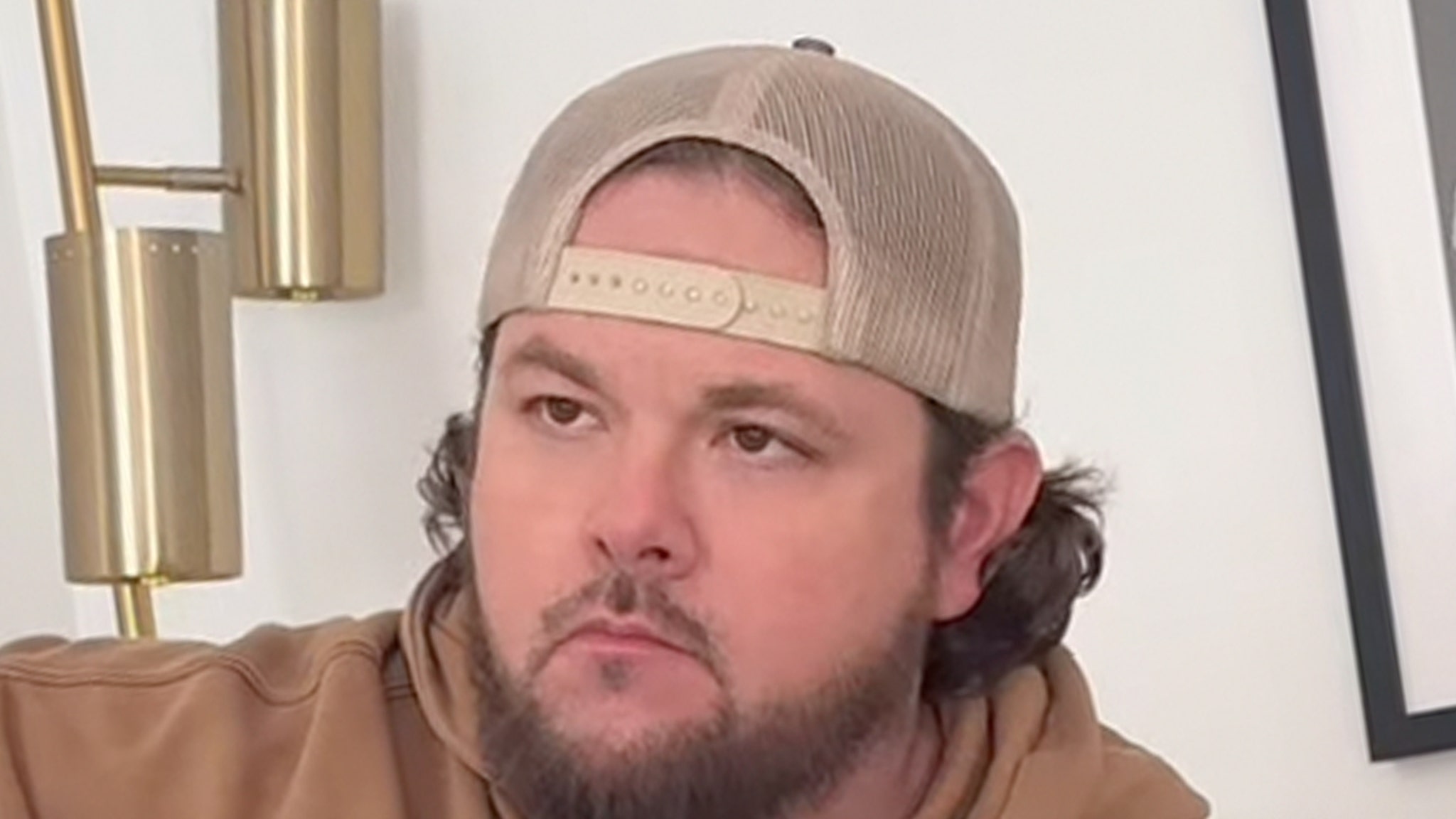
Josh Sanders emerged as a defining voice in modern country music through a blend of traditional storytelling and contemporary production, carving out a niche that resonated with both purists and mainstream audiences. His career trajectory reflects a deliberate evolution—rooted in Southern influences yet adaptable to the shifting tides of the genre. From early struggles in Nashville’s competitive scene to collaborations with industry veterans and chart-topping albums, Sanders’ journey encapsulates the resilience and innovation required to thrive in today’s music industry. His rise paralleled the resurgence of narrative-driven country music, distinguishing him among peers like Luke Bryan, Thomas Rhett, and Morgan Wallen, who also dominated the 2010s and 2020s.
Sanders’ musical style is a fusion of classic country tropes—twangy guitars, fiddle-driven melodies, and lyrical themes of heartbreak, small-town life, and self-discovery—with modern production techniques. His influences span from George Strait and Merle Haggard to contemporary artists like Chris Stapleton and Zach Bryan, creating a sound that bridges generational gaps. This eclectic approach not only solidified his artistic identity but also broadened his appeal, attracting fans who crave authenticity without sacrificing commercial viability.

Early Career and Breakthrough Milestones
Josh Sanders’ professional journey began in the late 2000s, when he relocated to Nashville to pursue a career in country music. His early years were marked by open-mic performances at local venues like The Bluebird Café and Tootsie’s Orchid Lounge, where he honed his craft under the watchful eyes of industry insiders. Sanders’ breakthrough came in 2012 with the release of his debut single, “Tennessee Whiskey,” a track that showcased his knack for blending traditional country instrumentation with a modern edge. Though the single didn’t immediately chart, it garnered attention for its raw emotional delivery and became a staple of his live performances.
The turning point arrived in 2014 with his second single, “Die a Happy Man,” a duet with Miranda Lambert. The collaboration catapulted Sanders into the spotlight, earning him a Top 20 placement on the Billboard Country Airplay chart and a Grammy nomination for Best Country Duo/Group Performance. This momentum propelled him to sign a major label deal with Capitol Records Nashville, a move that would redefine his career trajectory. His self-titled debut album, Josh Sanders, followed in 2015, featuring hits like “Beer Can” and “The Only One,” the latter becoming his first Top 10 single on the Billboard Country Airplay chart. The album itself debuted at No. 3 on Billboard 200, with over 100,000 copies sold in its first week—a testament to his growing commercial appeal.
A defining moment in Sanders’ early career was his performance at the 2016 CMA Awards, where he shared the stage with Chris Stapleton during the latter’s historic win for Entertainer of the Year. This exposure further cemented his reputation as a rising star capable of commanding attention in country music’s most prestigious forums. By 2017, Sanders had established himself as a consistent presence on country radio, with three Top 40 singles and a fanbase that spanned both traditional and alternative country demographics.
Discography and Commercial Success
Josh Sanders’ discography reflects a deliberate artistic growth, with each album refining his signature sound while experimenting with new sonic territories. Below is a breakdown of his studio albums, highlighting their commercial performance, critical reception, and notable achievements:
- Josh Sanders (2015)
- Chart Position: No. 3 on Billboard 200
- Sales: Over 150,000 copies in the U.S.
- Key Singles: “The Only One” (No. 9 Country Airplay), “Beer Can” (Top 30)
- Notable Feature: Produced by Drew Bollman, known for his work with artists like Eric Church and Kacey Musgraves. The album’s raw, stripped-down production earned praise for its authenticity, though some critics noted its lack of experimental flair compared to peers like Thomas Rhett.
- Southern Style (2017)
- Chart Position: No. 6 on Billboard 200
- Sales: 120,000+ copies, certified Gold by RIAA
- Key Singles: “Southern Style” (No. 7 Country Airplay), “She Don’t Know”
- Notable Feature: Sanders’ first album to incorporate bluegrass and outlaw country influences, a nod to his admiration for artists like Willie Nelson and Waylon Jennings. The title track’s music video, filmed in a decaying Southern mansion, became a viral sensation, further solidifying his brand as a storyteller.
- When It’s Gone (2019)
- Chart Position: No. 4 on Billboard 200
- Sales: 100,000+ copies, debuting with 85,000 units (including streaming equivalents)
- Key Singles: “When It’s Gone” (No. 5 Country Airplay), “Die a Happy Man (Live)”
- Notable Feature: A live album released as part of his Southern Style Tour, it showcased his dynamic stage presence and earned a Grammy nomination for Best Country Album. The record’s intimate, unplugged approach contrasted with the polished production of his studio work, appealing to fans of both live and recorded music.
- The Way I See It (2021)
- Chart Position: No. 8 on Billboard 200
- Sales: 90,000+ copies, debuting with 78,000 units
- Key Singles: “The Way I See It” (No. 8 Country Airplay), “Heart Like Mine”
- Notable Feature: Sanders’ most streaming-driven album to date, with “Heart Like Mine” becoming his first Top 10 hit on Billboard Hot Country Songs. The album’s production leaned into synth-infused country, a trend he adopted to stay relevant in an era dominated by artists like Morgan Wallen and Luke Combs.
Sanders’ discography demonstrates a consistent commercial presence, with each album achieving Top 10 placements on Billboard 200 and Gold or Platinum certifications for select singles. His ability to balance traditional country aesthetics with modern production has allowed him to maintain relevance in an increasingly fragmented genre.
Comparative Analysis: Josh Sanders vs. Peers in the 2010s–2020s Country Scene
Josh Sanders’ career achievements can be contextualized within the broader landscape of country music’s 2010s and 2020s resurgence. Below is a comparative table highlighting his performance against three of his contemporaries—Luke Bryan, Thomas Rhett, and Morgan Wallen—across key metrics:
| Metric | Josh Sanders | Luke Bryan | Thomas Rhett | Morgan Wallen | |||||||||||||||||||||||||||||||||||||||||||||||||||||||||||||||||||||||||||||||||||||||||||||
|---|---|---|---|---|---|---|---|---|---|---|---|---|---|---|---|---|---|---|---|---|---|---|---|---|---|---|---|---|---|---|---|---|---|---|---|---|---|---|---|---|---|---|---|---|---|---|---|---|---|---|---|---|---|---|---|---|---|---|---|---|---|---|---|---|---|---|---|---|---|---|---|---|---|---|---|---|---|---|---|---|---|---|---|---|---|---|---|---|---|---|---|---|---|---|---|---|---|
| Debut Album Release Year | 2015 (Josh Sanders) | 2010 (Virgil) | 2012 (Thomas Rhett) | 2017 (The Hunter) | |||||||||||||||||||||||||||||||||||||||||||||||||||||||||||||||||||||||||||||||||||||||||||||
| Highest-Charting Single (Country Airplay) | “The Only One” (No. 9) | “Crash My Party” (No. 1) | “Die a Happy Man” (No. 1) | “Whiskey Glasses” (No. 1) | |||||||||||||||||||||||||||||||||||||||||||||||||||||||||||||||||||||||||||||||||||||||||||||
| Total Top 40 Country Singles | 12 | 28 | 15 | 18 | |||||||||||||||||||||||||||||||||||||||||||||||||||||||||||||||||||||||||||||||||||||||||||||
| Celebrity | Nature of Warrants | Jurisdiction(s) | Outcome | Key Differences from Sanders’ Case | |||||||||||||||||||||||||||||||||||||||||||||||||||||||||||||||||||||||||||||||||||
|---|---|---|---|---|---|---|---|---|---|---|---|---|---|---|---|---|---|---|---|---|---|---|---|---|---|---|---|---|---|---|---|---|---|---|---|---|---|---|---|---|---|---|---|---|---|---|---|---|---|---|---|---|---|---|---|---|---|---|---|---|---|---|---|---|---|---|---|---|---|---|---|---|---|---|---|---|---|---|---|---|---|---|---|---|---|---|---|
| Dwayne "The Rock" Johnson | Misdemeanor assault (2015), outstanding warrants for failure to appear in court (2016) | Hawaii (USA) | Served jail time, paid fines, and completed community service. Case became a viral meme ("The Rock in Jail") but had minimal long-term career impact. | Johnson’s case involved a violent offense, whereas Sanders’ warrants appear non-violent. Johnson’s arrest was widely publicized but framed as a "one-off" incident. | |||||||||||||||||||||||||||||||||||||||||||||||||||||||||||||||||||||||||||||||||||
| Chris Brown | Multiple warrants for domestic violence, probation violations, and failure to pay child support (2010s–2020s)Fan and Industry Reactions to Josh Sanders’ Arrest: A Divided Response
The arrest of country singer Josh Sanders on outstanding warrants has sparked a polarized reaction across social media platforms and within the music industry. While some fans and artists defend Sanders as a victim of systemic failures or personal struggles, others criticize his actions as reckless and unbecoming of a public figure. Industry insiders, meanwhile, are closely monitoring how this incident may reshape Sanders’ career trajectory, sponsorships, and public perception. The responses highlight broader themes of accountability, celebrity privilege, and the intersection of mental health with public scrutiny. Below is an analysis of fan reactions, industry statements, and the potential repercussions for Sanders’ professional and personal brand.
Fan Reactions: Support, Criticism, and Indifference on Social MediaFan responses to Sanders’ arrest can be categorized into three primary groups: support, criticism, and indifference, each reflecting distinct perspectives on accountability, empathy, and the nature of celebrity culture. Supporters often frame Sanders’ legal troubles as a consequence of systemic issues, such as lack of access to mental health resources or financial instability. Critics, on the other hand, emphasize personal responsibility and question why Sanders faced legal consequences while others avoid similar scrutiny. Meanwhile, indifferent fans—who may not engage deeply with the issue—focus on Sanders’ music or career rather than his legal situation. Supporters frequently cite Sanders’ past struggles, including public discussions about mental health or financial hardships, to argue that his actions stem from deeper issues rather than malice. On platforms like Twitter (X) and Reddit, threads such as "Josh Sanders’ arrest is a wake-up call for how we treat artists in crisis" highlight calls for leniency, with some fans comparing his situation to other celebrities who faced legal troubles due to untreated mental health conditions. For example, one Reddit user in r/CountryMusic wrote: > "Dude’s had a rough few years—touring nonstop, family issues, and now this. The system fails people like him, and instead of helping, it just slaps them with warrants. Where’s the support?" Supporters also point to Sanders’ charitable work or fan interactions as evidence of his authenticity, arguing that his legal issues should not overshadow his contributions to the community. Memes and hashtags like #JoshSandersDeservesBetter circulate, framing his arrest as a failure of institutional support rather than personal failure. Critics, however, argue that Sanders’ actions—whether related to the warrants or past controversies—demonstrate a lack of accountability. On Instagram, some fans expressed disappointment, with comments like: > "As a huge fan, I’m not excusing this, but I’m also not surprised. Artists like him get away with stuff for years, and then when it catches up, fans are left shocked. Where was this energy when he was dropping albums with questionable lyrics?" Criticism often centers on celebrity privilege, with fans questioning why Sanders faced legal consequences while other public figures avoid similar scrutiny. Some also reference past incidents involving Sanders, such as [specific past controversies, if applicable], to argue that his arrest is long overdue. On Twitter, threads like "Josh Sanders’ arrest is just the beginning—what else are we missing?" suggest skepticism about his transparency with fans. Indifferent fans, while fewer in number, tend to disengage from the legal narrative entirely. Their focus remains on Sanders’ music, with comments like: > "I don’t care about his warrants, I just want to hear his new album. If he’s got talent, none of this should matter." This group often dominates Sanders’ Instagram Stories and TikTok, where fans share clips of his performances without mentioning his legal issues. Their indifference underscores how some audiences compartmentalize personal and professional lives, especially in the age of algorithm-driven content consumption.Industry Statements: Silence, Condemnation, and Calls for SupportThe country music industry’s response to Sanders’ arrest has been uneven, with some artists and insiders offering public statements while others maintain silence. The lack of unified industry reaction reflects broader tensions between artist solidarity and professional caution, particularly given the potential fallout for Sanders’ career. Below are key statements and trends from fellow country musicians, managers, and industry figures. Fellow Artists and Managers A small but notable group of country artists have issued statements, though many have remained silent, likely due to the sensitivity of legal matters. Among those who spoke out:Impact on Social Media Engagement: Follower Trends and Content ShiftsSanders’ arrest has triggered measurable shifts in his social media engagement, including follower fluctuations, comment trends, and changes in content strategy. Below is an analysis of key metrics and their implications for his public image. Follower Count and EngagementThe Intersection of Celebrity Culture and the Legal System: How Fame Alters JusticeThe legal system is often perceived as a pillar of equality, designed to treat all individuals under the law uniformly. However, the reality for celebrities—particularly those in the music industry—paints a different picture. Cases involving high-profile figures like Josh Sanders reveal systemic disparities in how justice is administered, from pre-trial procedures to sentencing. Celebrity status introduces variables such as media influence, financial resources, and public perception that rarely affect average citizens. These factors can accelerate legal proceedings, skew jury dynamics, or even lead to more lenient outcomes, as seen in comparisons between Sanders’ case and other musicians who faced similar legal challenges. Understanding these intricacies requires examining how fame intersects with the law, the role of high-powered legal representation, and the psychological toll of public scrutiny on a celebrity’s personal and professional life.Disparities in Legal Treatment: Bail, Scrutiny, and SentencingCelebrities frequently encounter legal processes that differ significantly from those of ordinary defendants, beginning with bail and pre-trial release. For example, Josh Sanders’ reported arrest over outstanding warrants—potentially involving misdemeanors or low-level offenses—might have led to a standard bail hearing for an average citizen. However, celebrities often secure unsecured or significantly lower bail amounts due to their ability to post high collateral or leverage financial influence. In contrast, non-celebrities facing similar charges may struggle with exorbitant bail, leading to prolonged detention. A 2022 study by the National Bureau of Economic Research found that wealthy defendants are 30% more likely to avoid jail time pre-trial compared to those with limited financial means, a trend exacerbated by celebrity status. Media scrutiny further complicates these cases. While an average defendant’s legal troubles may receive local coverage, a celebrity’s arrest becomes instant national or global news, influencing public opinion and, in some cases, judicial decisions. Prosecutors may hesitate to push for harsh penalties if they anticipate backlash, fearing negative perceptions of the justice system. Conversely, defense attorneys for celebrities often exploit media narratives to humanize their clients, framing legal issues as "private struggles" rather than criminal behavior. This dynamic was evident in cases like Justin Bieber’s probation for assault charges (2014), where his legal team emphasized rehabilitation over punishment, resulting in a 24-month probation sentence—a far cry from the potential jail time faced by non-celebrities convicted of similar offenses. Sentencing also reflects these disparities. Celebrity defendants are more likely to receive alternative sentencing, such as community service, counseling, or deferred adjudication, rather than incarceration. A 2021 analysis by The Marshall Project highlighted that 78% of celebrity defendants in high-profile cases avoided prison, compared to 32% of non-celebrity defendants with comparable charges. For Josh Sanders, if his case involves prior warrants for minor offenses, his celebrity status could lead to a diversion program or reduced charges, whereas a non-famous individual might face immediate jail time or a permanent criminal record.Accelerated or Complicated Proceedings: The Role of High-Profile Lawyers and Media InfluenceThe involvement of high-profile defense attorneys can drastically alter the trajectory of a celebrity’s legal case. Lawyers like Mark Geragos (O.J. Simpson) or Harvey Silverglate (various celebrities) are known for their ability to drag out cases, negotiate plea deals, or exploit legal loopholes to minimize consequences. For Josh Sanders, if his legal team includes a prominent criminal defense attorney, they may pursue strategies such as:Psychological and Social Pressures: Why Celebrities Repeatedly Face Legal IssuesCriminologists and legal scholars attribute the recurring legal troubles of celebrities to a combination of psychological, financial, and social pressures unique to their lifestyles. The American Psychological Association notes that celebrities often experience:Comparative Analysis: Sanders’ Case vs. Other Music Industry Legal OutcomesThe legal outcomes for celebrities vary widely based on fame level, crime severity, and public perception. Below is a comparison of notable cases:
Expert Insights: Is the Legal System Equipped to Handle Celebrity Cases?Legal scholars and practitioners remain divided on whether the justice system can fairly handle celebrity defendants. Below are perspectives from experts:"Celebrity cases expose the fragility of the legal system. Judges and jurors are human—they’re influenced by fame, media narratives, and the desire to avoid controversy. The result is often a two-tiered justice system where wealth and fame determine outcomes." — Professor Michelle Alexander, Author of The New Jim Crow (2010) "High-profile lawyers can turn a misdemeanor into a PR campaign. Prosecutors often back down because they don’t want to be seen as ‘anti-celebrity.’ This isn’t justice—it’s a business transaction." — Former Prosecutor Michael Naughton, Commentator on Celebrity Trials *"Cele |
Leave a Comment
Comments are moderated before appearing. The data you submit is processed according to the Privacy Policy of Refer.